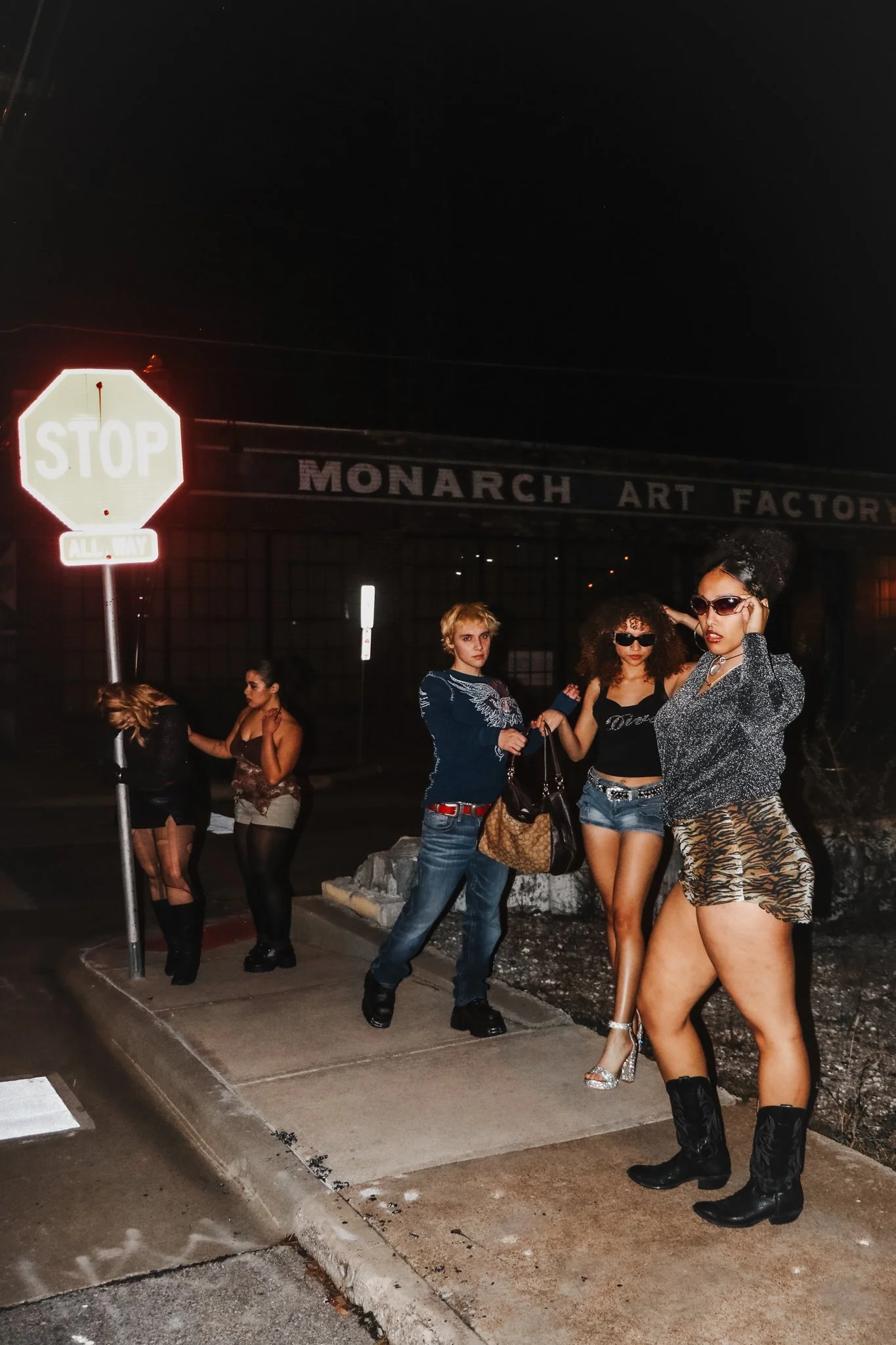
Hot Girl History
Written by: Zoë Malega
Photography by: Jenna Brown
Modeled by: Zoë Malega, Alexis Loftis, Ebony Love, Edmund Albert-Rambo & Anna Berkheimer
Makeup by: August Ervin
Styling by: Alexis Loftis
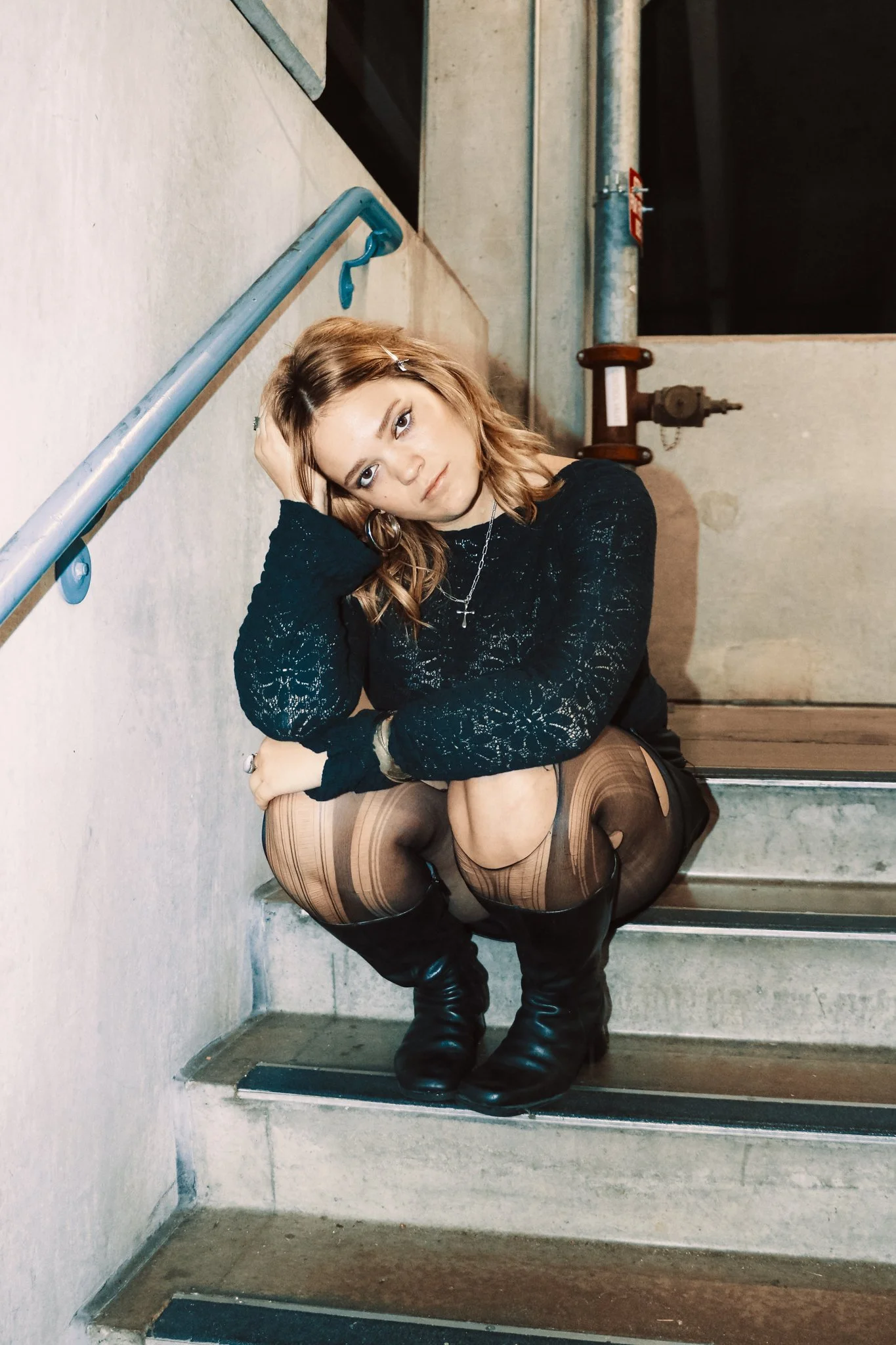
During my tween years, I spent hours glued to reality television shows from the 2000s and 2010s. As an avid Jersey Shore and Bad Girls Club fan, I vividly remember watching in awe, enchanted by bedazzled outfits the women wore on their nights out. Trying to find my own sense of style, key elements like chunky statement necklaces, rhinestone heels, and loud patterns always captured my attention. Watching these shows created a longing–and major sense of FOMO–for the college life I wished to have. Falling in love with the “realness” of these shows painted a clear picture of what it meant to be twenty-something during that era.
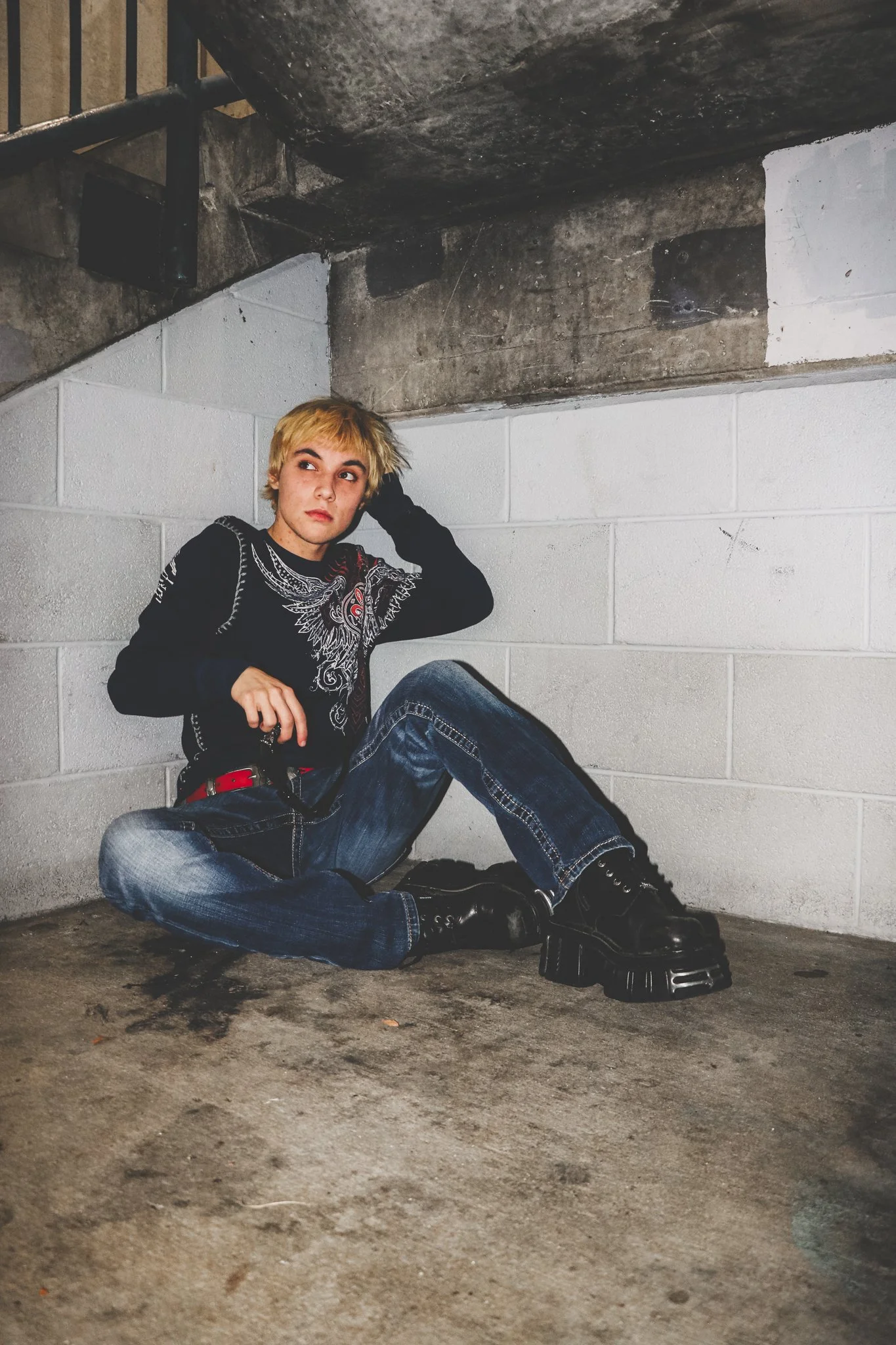
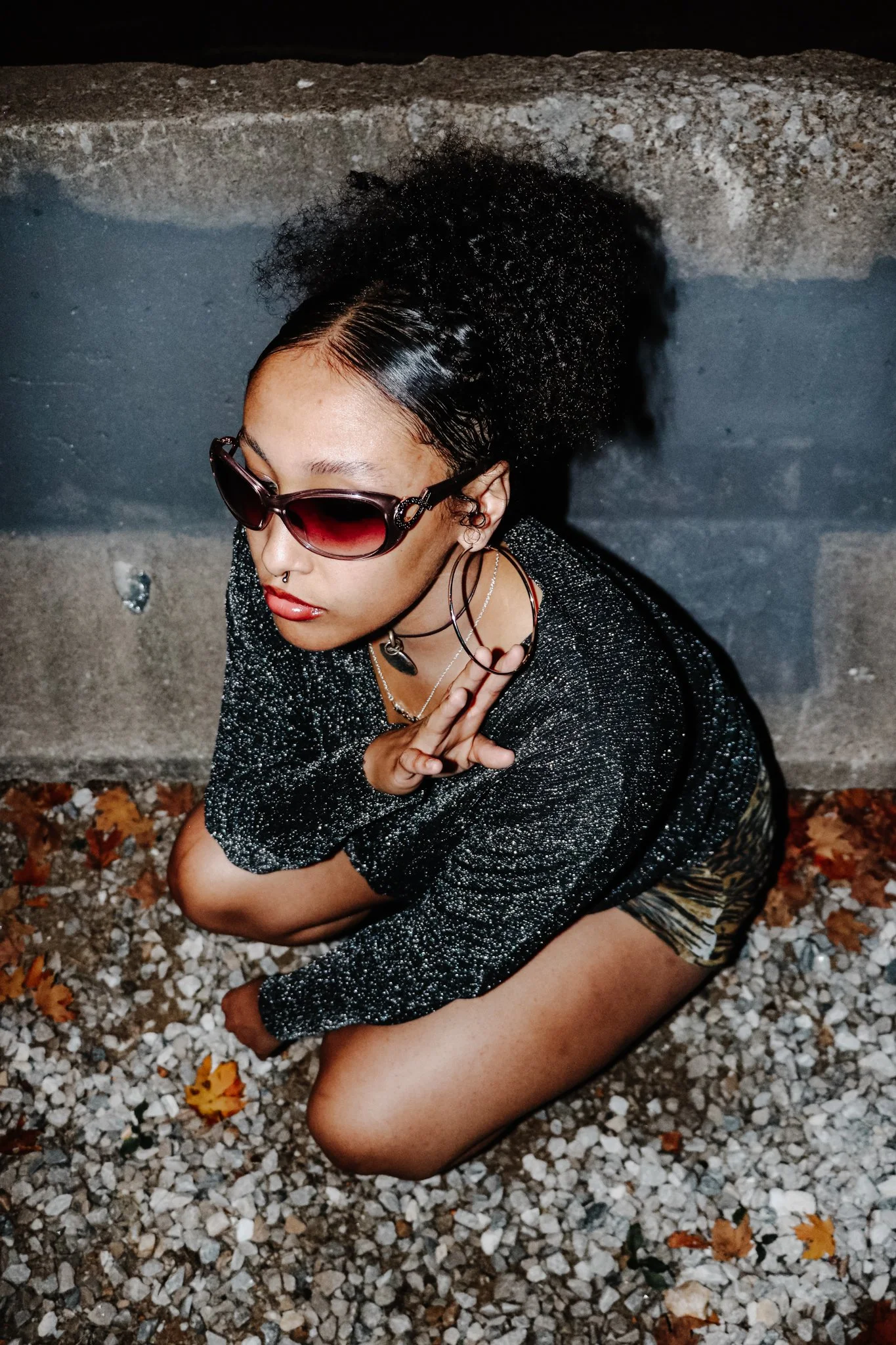
When I entered my freshman year of college, however, I noticed the stark contrast in both nightlife fashion and culture as a whole. Gone were the iconic messy nights! Shoes that pinched your feet were swapped for sneakers, mini dresses for leather shorts, and the once chaotic hair and makeup evolved into something cleaner and almost elegant. After my first night out with my friends, I was left with the question: what caused this change? In order to answer that, we have to look at the role of media and how it intertwines with culture to shape nightlife fashion as a whole.
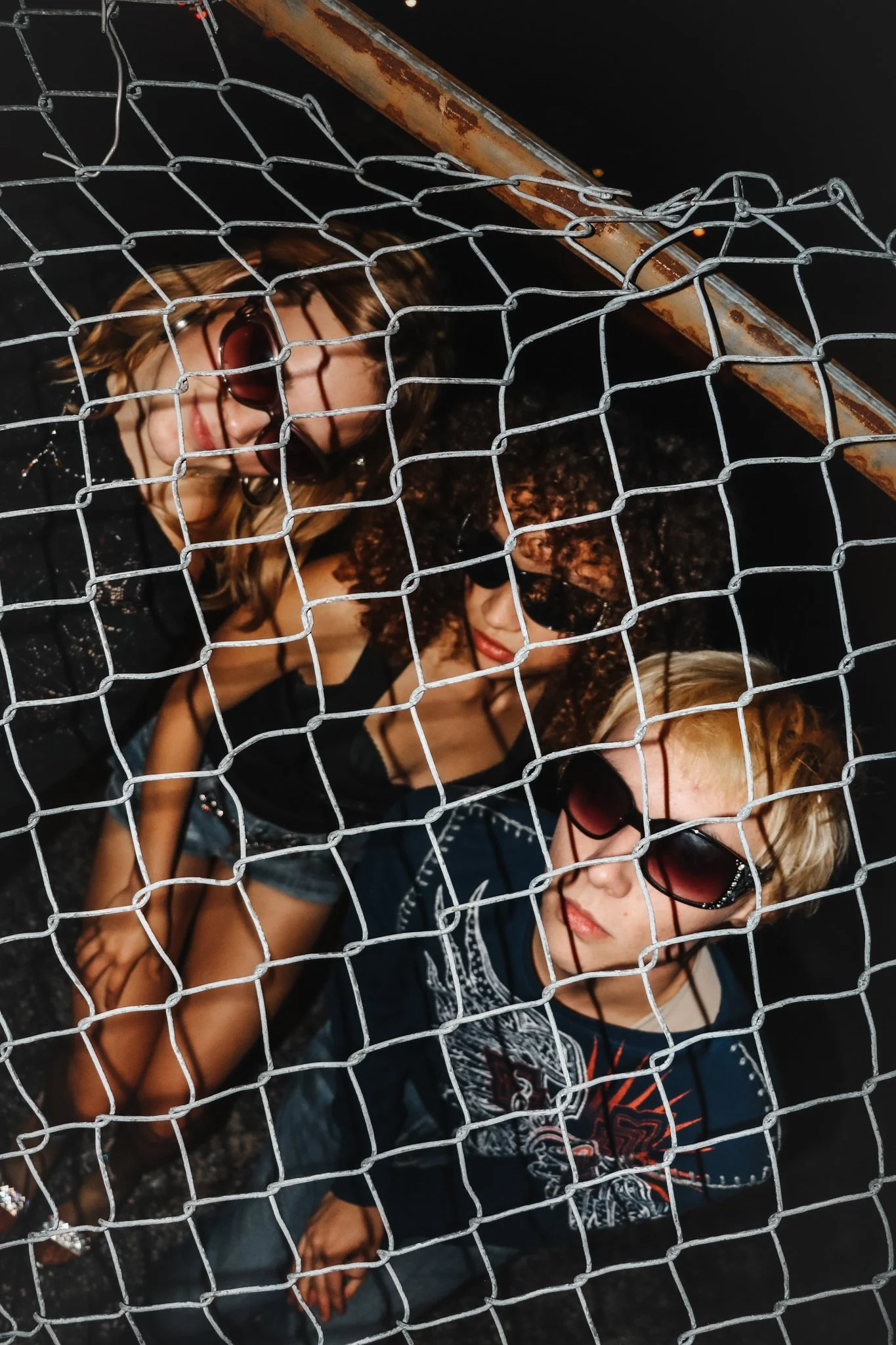
One of the most iconic components of 2000s culture was the rising popularity of reality television shows. Heavily influenced by tabloids and paparazzi culture, shows like Keeping Up With the Kardashians, America’s Next Top Model, and Jersey Shore were staples of the era, depicting loud, messy, and chaotic nights out. A common trope in these shows often showcased the women dedicating a significant portion of their time getting ready to go out by crafting up a uniquely curated look, only for it to become disheveled as the night progresses. Additionally, celebrities and socialites like Britney Spears and Paris Hilton were often cited as some of the biggest fashion icons, their features continually setting the tone for these flashy and bold styles. One example of this is Paris Hilton’s iconic 21st birthday party outfit worn at the Stork Room in London, 2002. Hilton’s bedazzled low-cut, spaghetti-strapped minidress showed that she was camera-ready for the event, with the outfit beautifully reflecting pink and rainbow hues in the lights. While she donned a matching diamond choker and tiara, she also rocked a black smoky-eye that completed the look and gave it that classic 2000s edge.
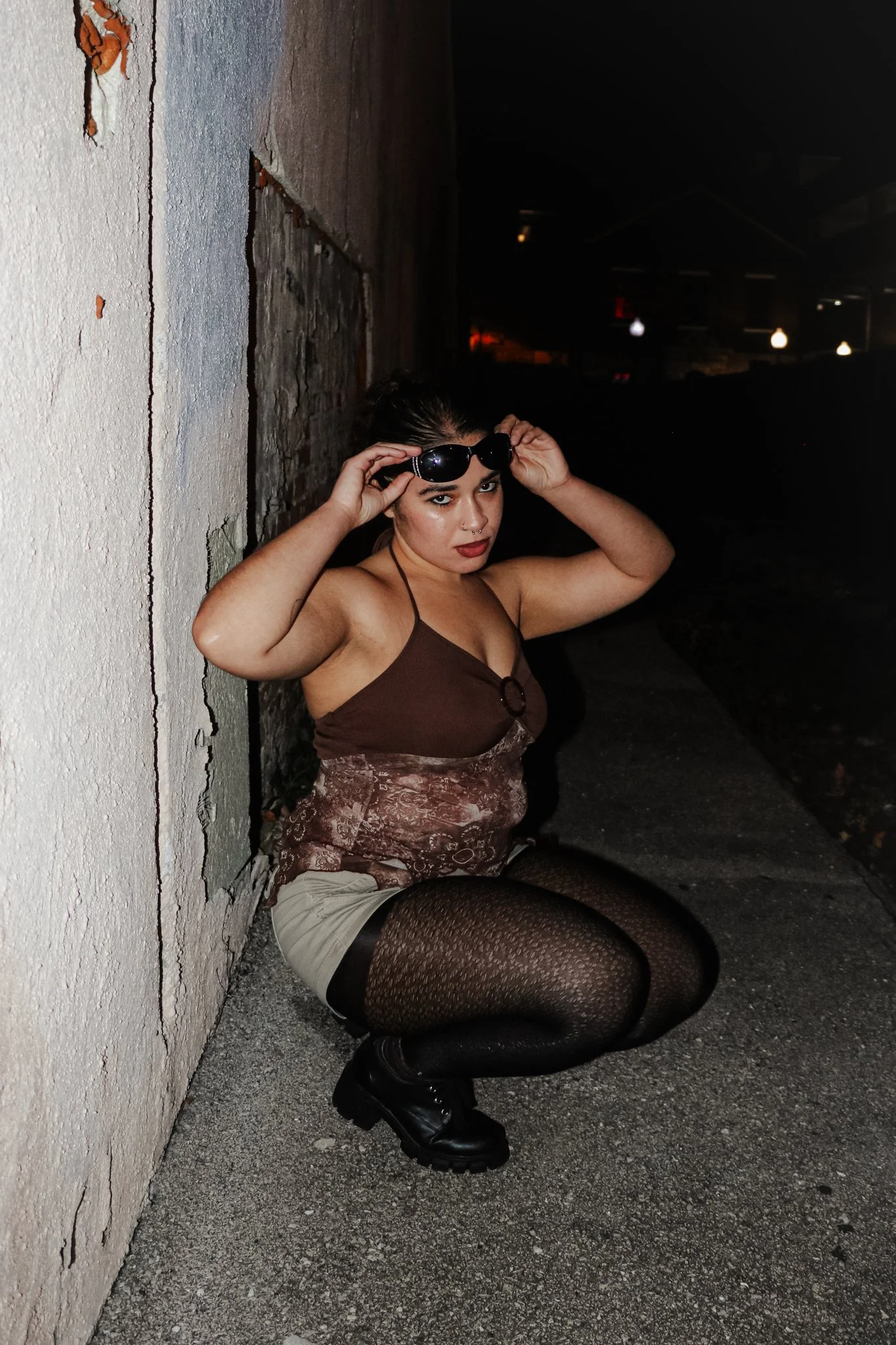
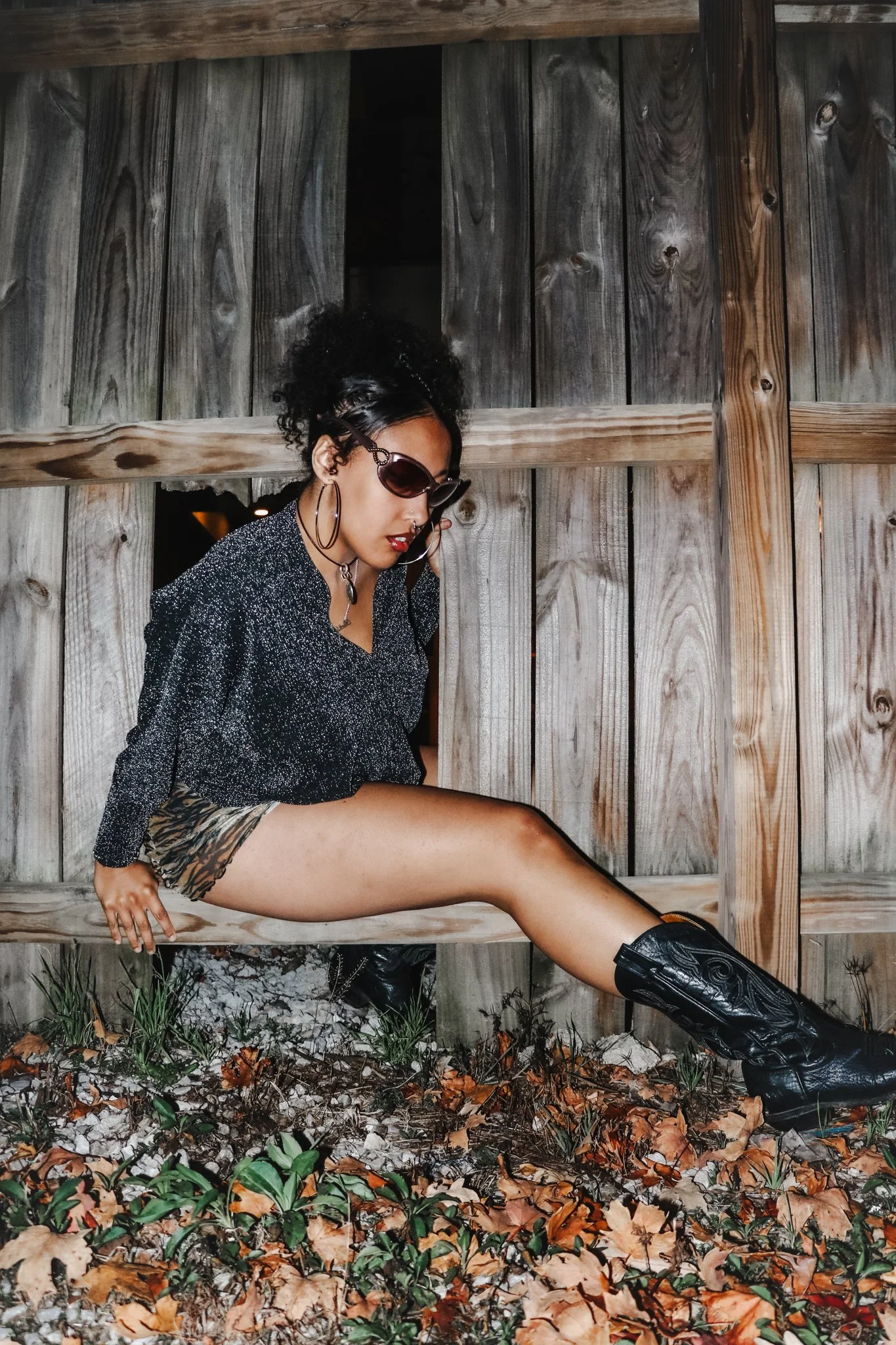
During this era, maximalism was not only encouraged, but expected. If you weren’t donning oversized aviator sunglasses and a matching set of jewelry, you were clearly doing something wrong. These outfits showcased that the “party-girl” mentality was more than just a fashion statement, it was a lifestyle! Tops like graphic-tees depicted bold–and even sometimes raunchy– designs and wording, and were common staples to build outfits around. Additionally, clubbing culture at the time leaned into wearing clothes that instantly communicated your personality and/or interests, therefore making the graphic tee a popular option for well-known figures. Because the lettering was often bold and recognizable, it proudly displayed whatever “scene” the wearer was a part of. One prominent example of this includes reality television star, Snooki, who is known for her attention-grabbing baby-tees and maximalist style. In one paparazzi photo taken during her visit to Florence, Italy in 2011, Snooki is shown wearing her iconic neon green and black “I’m Bad” off-shoulder top, pairing it with a black studded belt and fuzzy legwarmers. She incorporates multiple other elements, such as hoop earrings, mini-jean shorts, and dark, thick sunglasses that obstruct her face from the camera’s eye. This look was–and still is– an iconic representation of 2000s and 2010s night life fashion, and how it tied into the culture at the time.
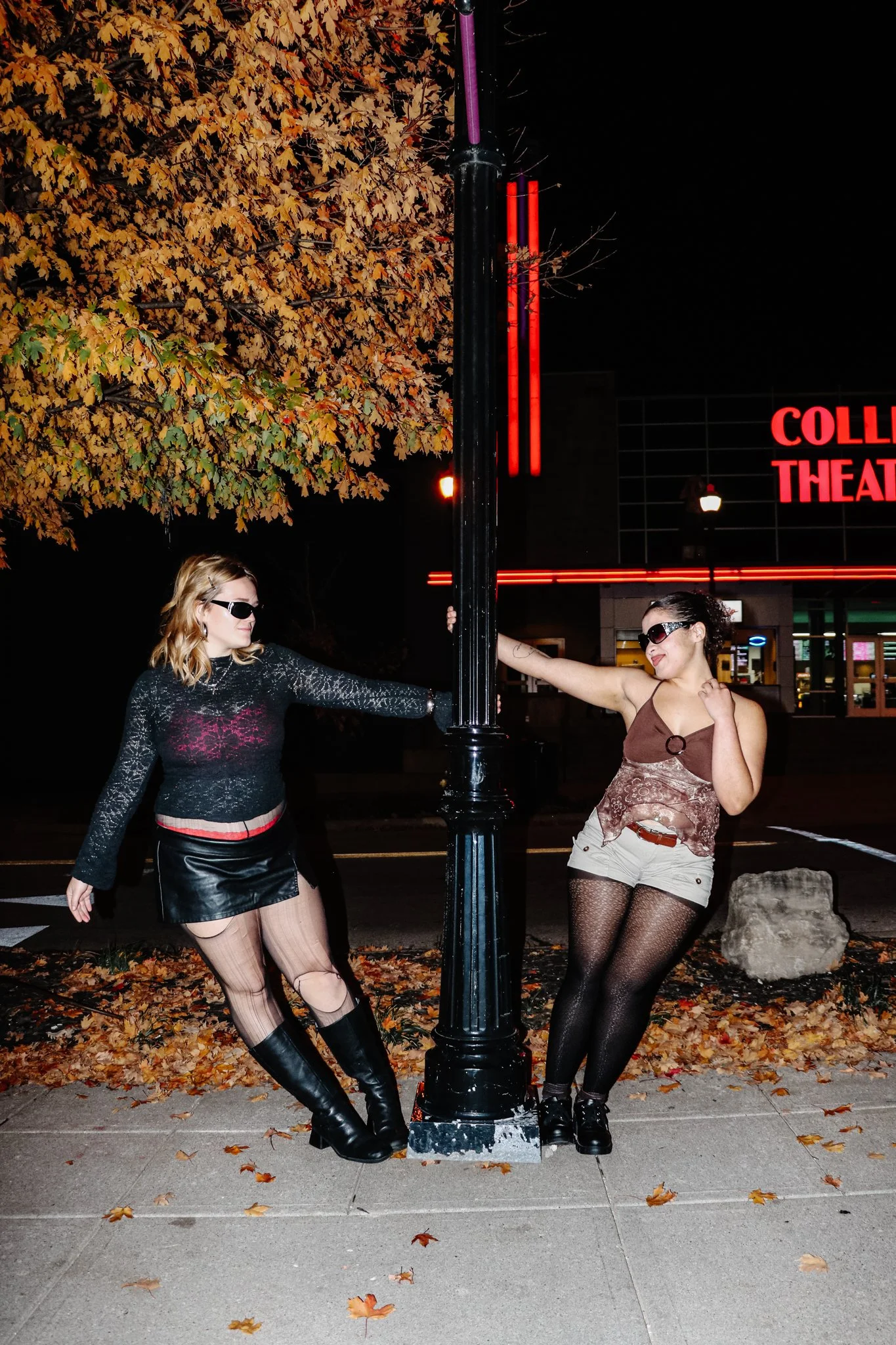
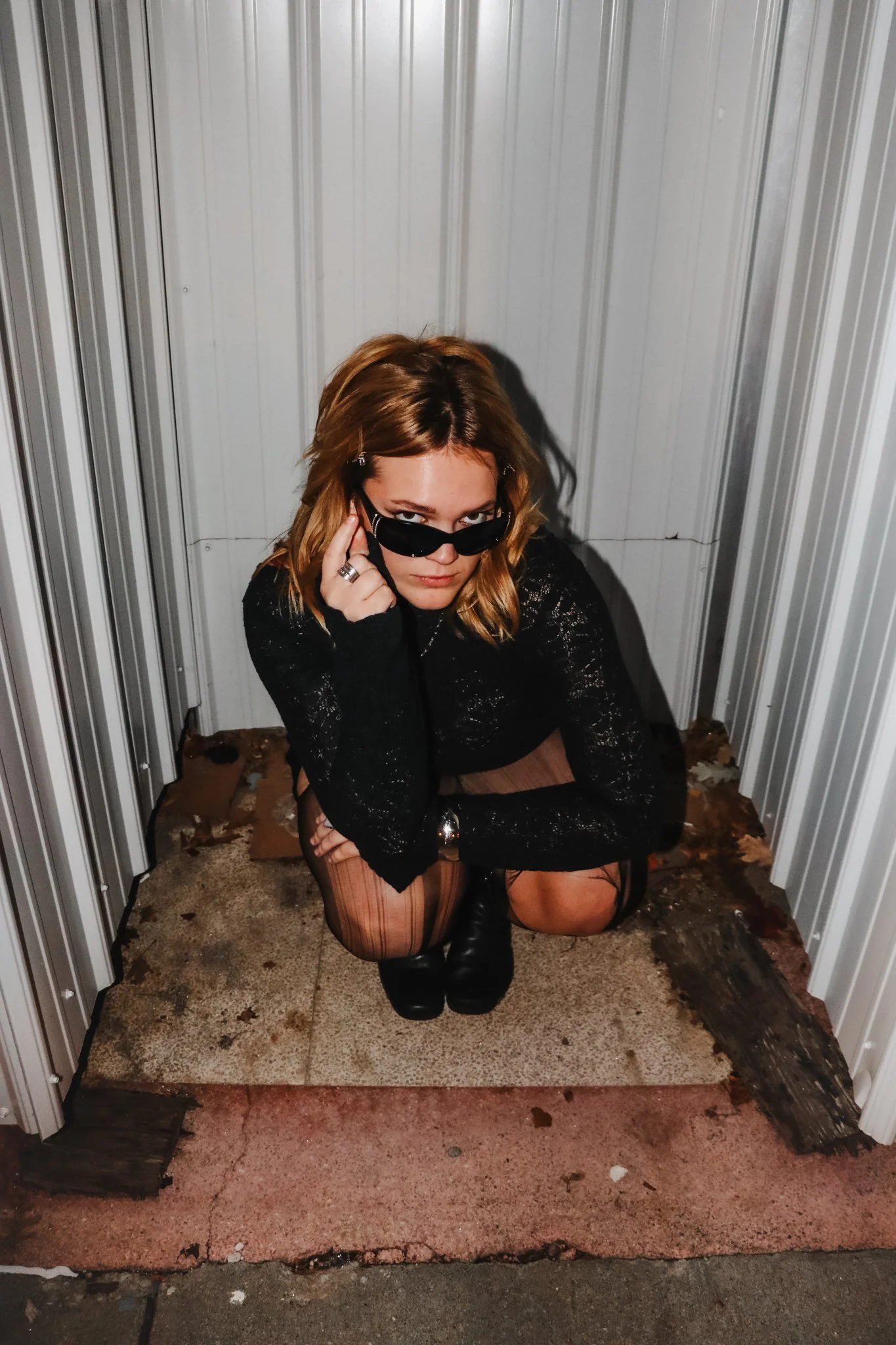
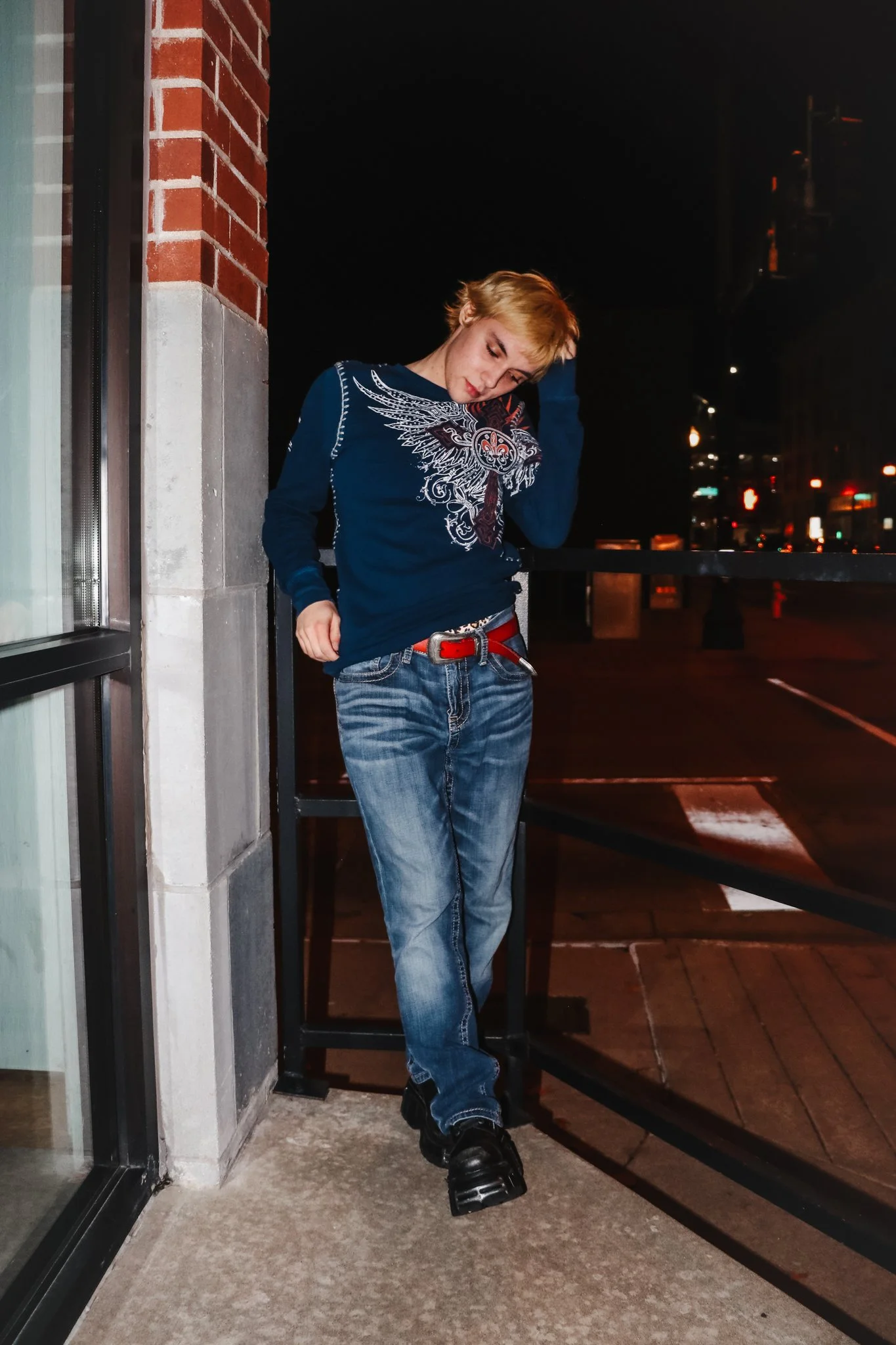
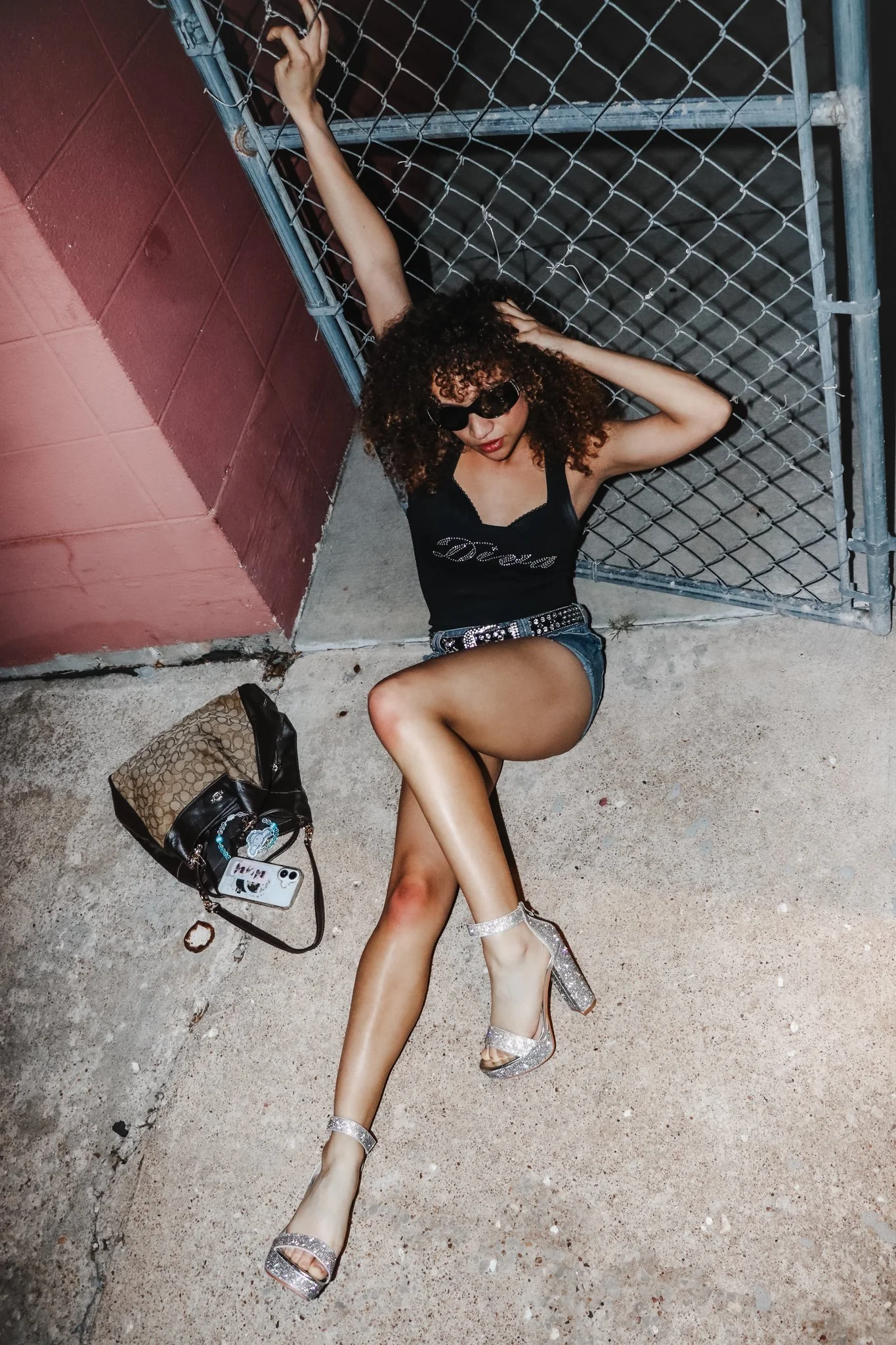
While trends have shifted, the media's presence still remains to hold a heavy influence on nightlife style and culture. The 2020s have marked the era of social media influencing fashion, as apps like TikTok and Instagram reward polished and aesthetic-based snapshots dedicated to capturing the “perfect” night out. Taking inspiration from popular figures such as Alix Earle, Zoë Kravitz, and Hailey Bieber, wellness trends like the clean girl aesthetic blend with nightlife culture and create an image of what the perfect party-girl should be. Furthermore, online shopping retailers such as Windsor have sections specifically tailored to creating “Insta-worthy” outfits that reflect these changes. Instead of bold and attention-grabbing, common staples are tactfully simple to suggest quality without loud branding, allowing the wearer to customize the same pieces into a multitude of different styles. This change is intentional, as social media promotes users to have constant interaction with the algorithm, making pieces–such as sin.