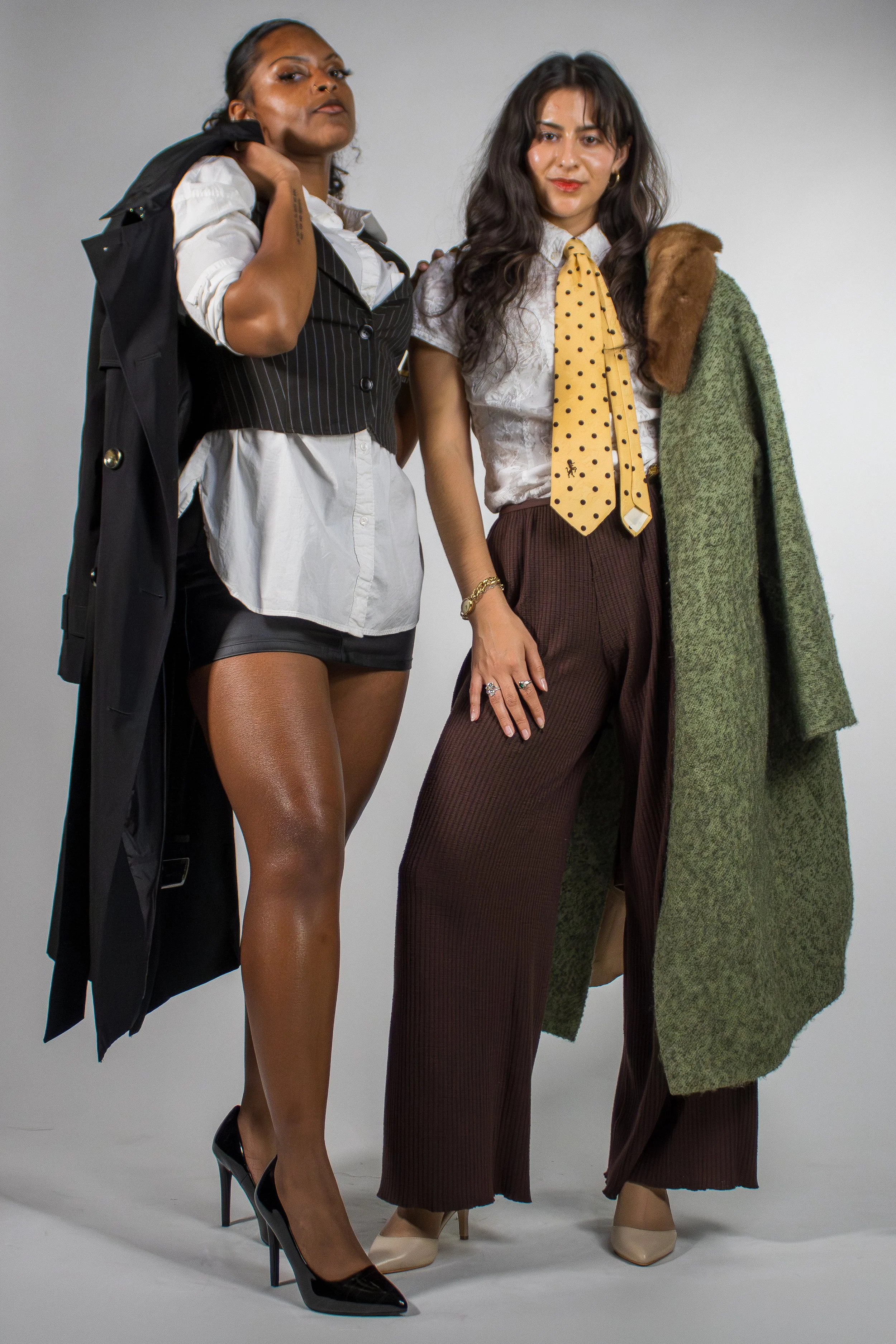
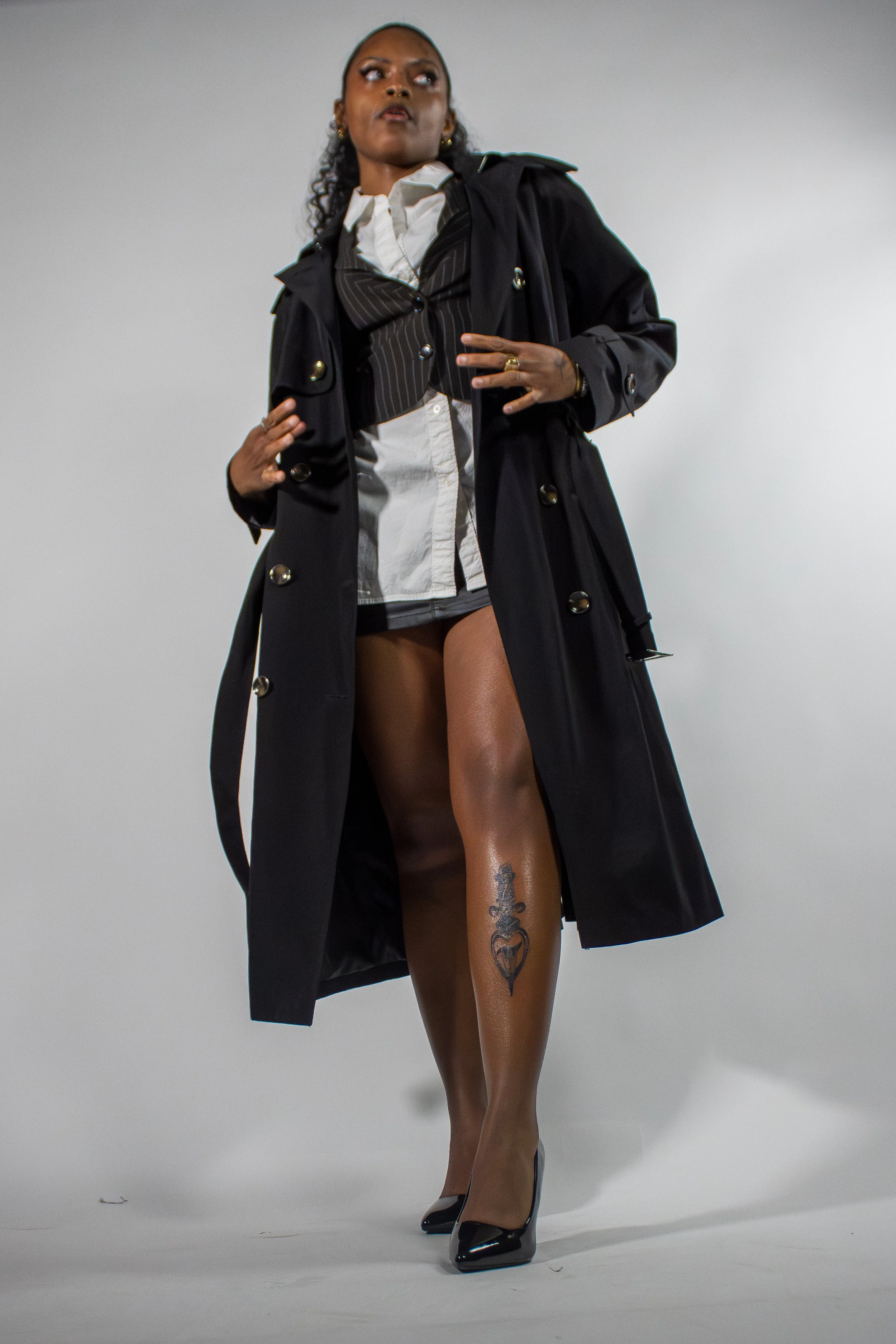
The Trench Coat
Written by: Jake Moreland
Styled by: August Ervin
Shot by: I’ron Bell
Modeled by: Annabella Diaz and Lauren Jones
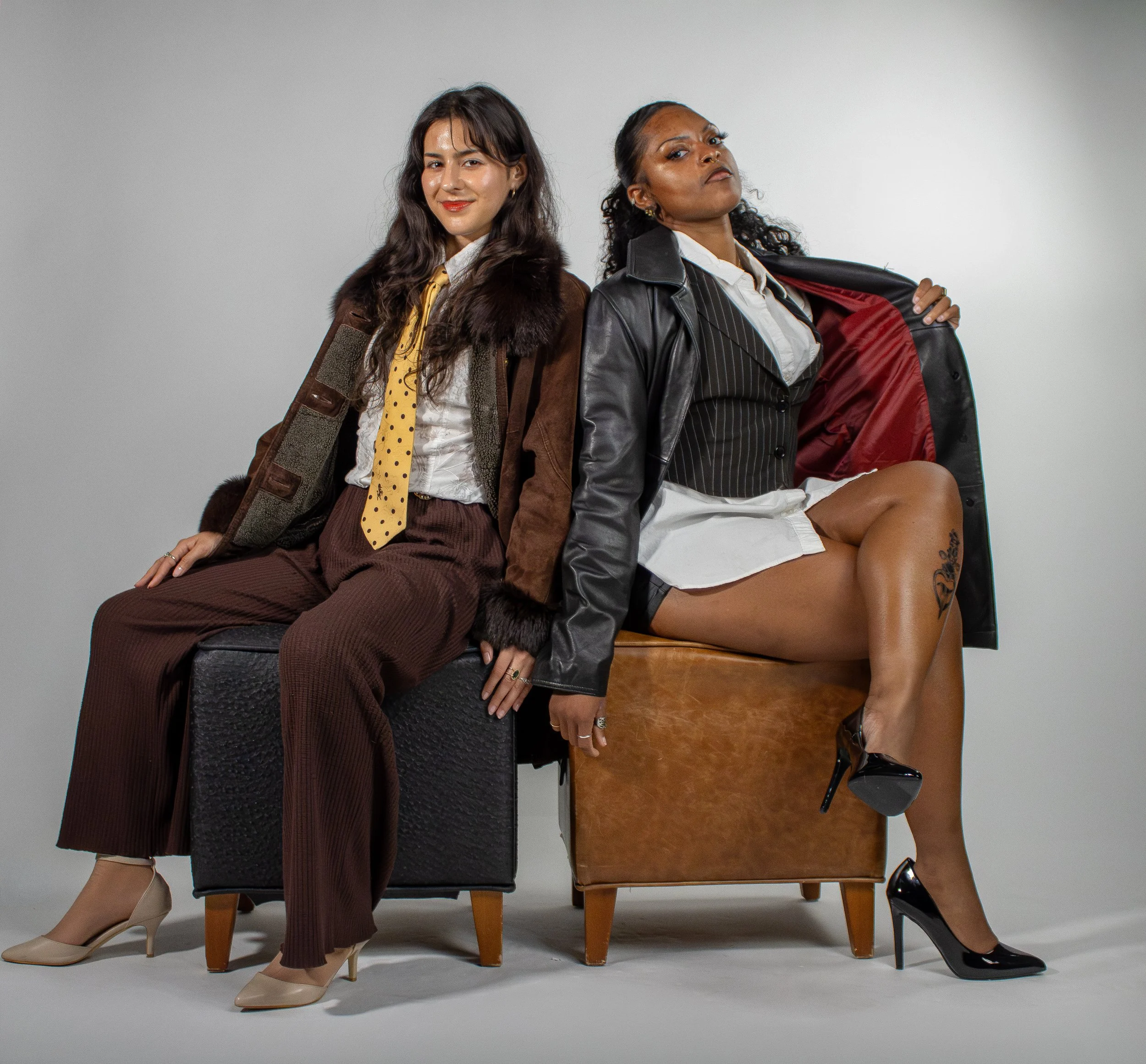
For over a century, trench coats have been a powerful addition to wear on top of any outfit. They instantly bring to mind the images of confident businesspeople, hard-boiled detectives, and mysterious strangers. But what makes them such a fascinating piece of clothing? Is it just how it flows in the wind with every step you take, or is there something more at play?
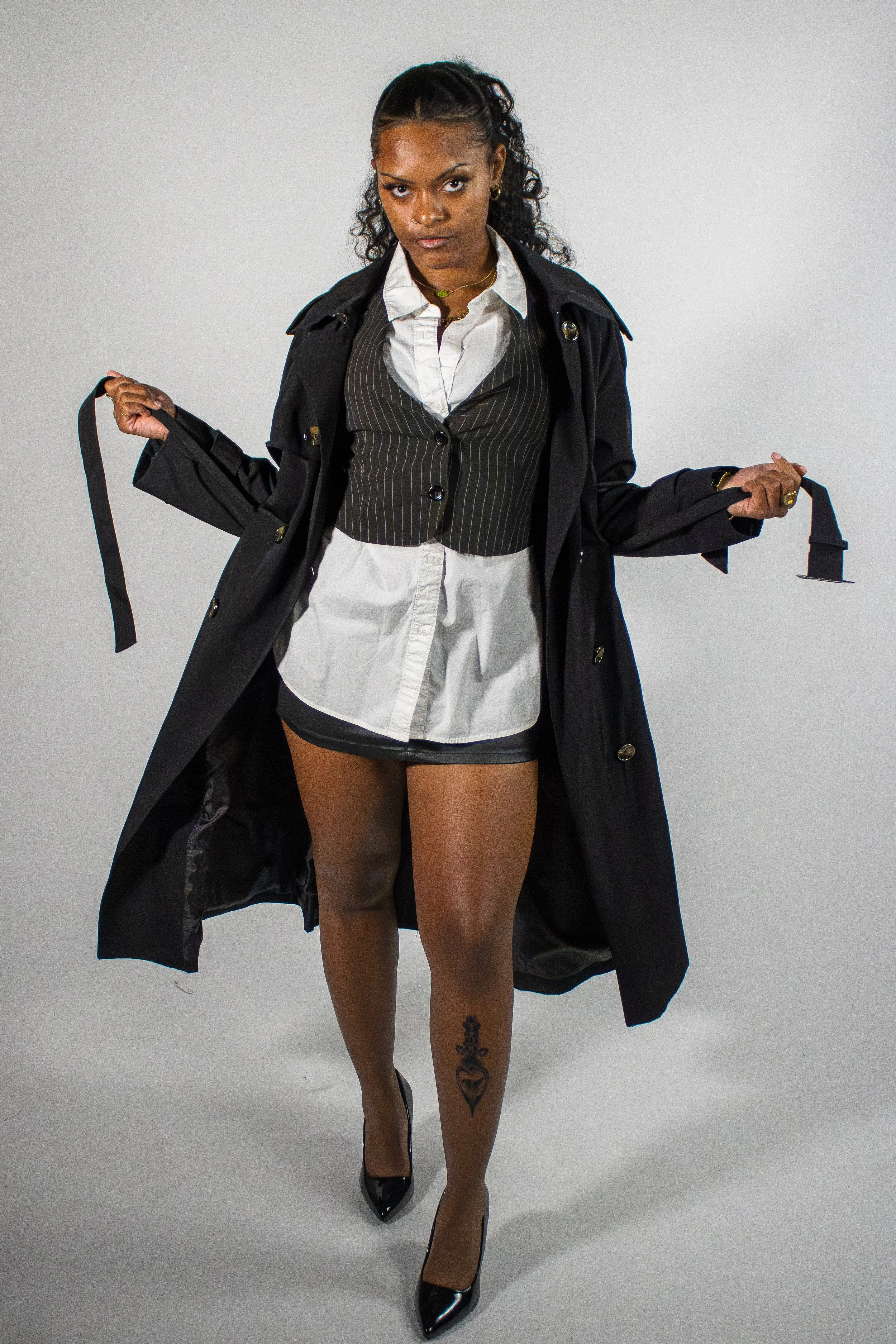
Trench coats emerged as a wartime necessity during World War I, offering protection from the elements in a lightweight package. Not only did they keep the oppressive mud and pelting rain off of soldiers in trenches, but they also provided ample storage space for supplies in their pockets. Without conflict and so many other ways to keep oneself warm and comfortable in the elements, trench coats weren’t as necessary as they once were. Even the added benefit of keeping legs warm and covered came as an afterthought to many who wore them; so why did they continue to remain so iconic once there wasn’t a need for them anymore? It’s simple: trench coats can tell a story.
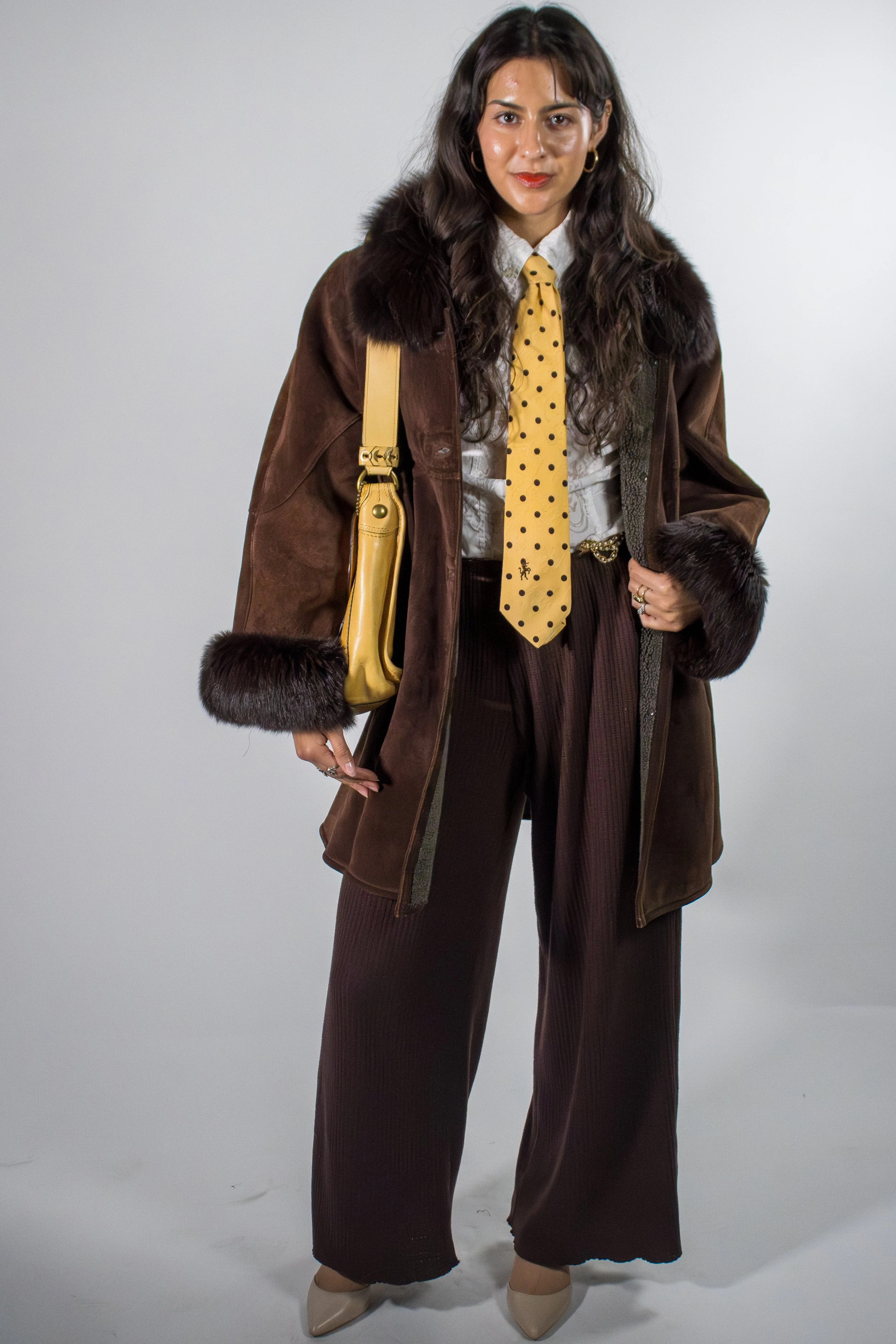
Immediately after World War I, trench coats became a staple part of veterans’ wardrobes as an article of clothing that denoted their service. Later on, as they spread into the civilian sector, the rising population of working women in the United States adopted them en masse as a symbol of androgyny during a time when the roles of men and women in the workplace began to converge. Furthermore, they became ubiquitous with Hollywood movies as cinema took center stage within American culture. The film noir genre of the 1940s and ‘50s featured them heavily in movies that starred morally grey protagonists who donned them in films that expressed cynicism in the aftermath of World War II and its consequences.
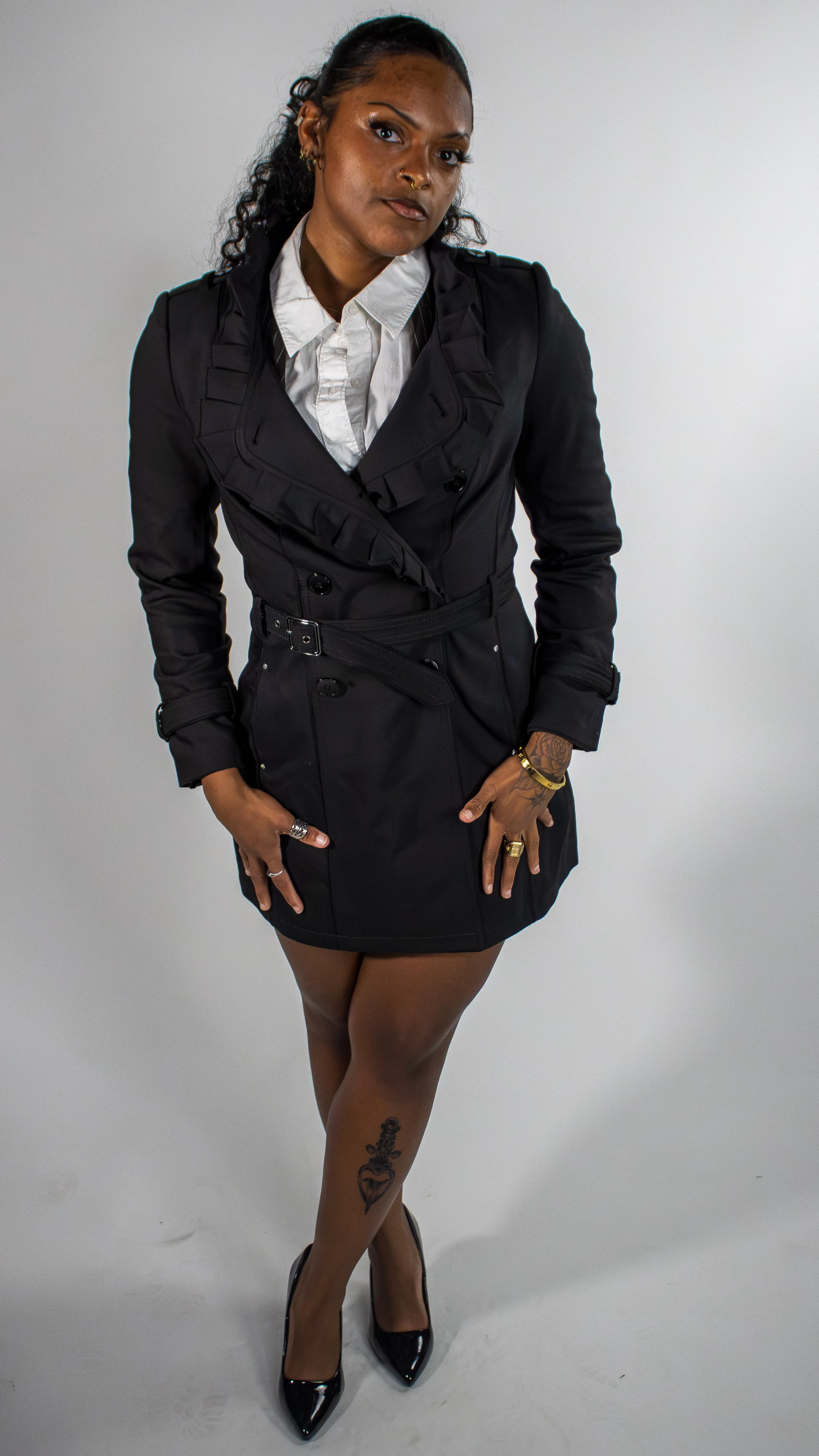
In the modern day, some of the areas in which the trench coat was present have moved on without it, but it continues to remain as a staple in others. While they’ve been relieved of service on the frontlines of warfare, they have remained an ever-present sight on the frontlines of the corporate world. Nowadays, the image of a thin, black or tan trench coat continues to remain associated with femininity in the workplace, while thicker and darker overcoats have become more common on the masculine side of office life. In contemporary films, detectives rarely wear a huge coat and a fedora unless it’s for a spoof. But within the modern neo-noir genre, the successor to film noir, it’s treated as a symbol of respect and heritage, while keeping them associated with dark and rebellious protagonists. For films like “Bladerunner, 2049” (2017) and “The Matrix” (1999), the trench coats are as iconic as the actors who wear them.
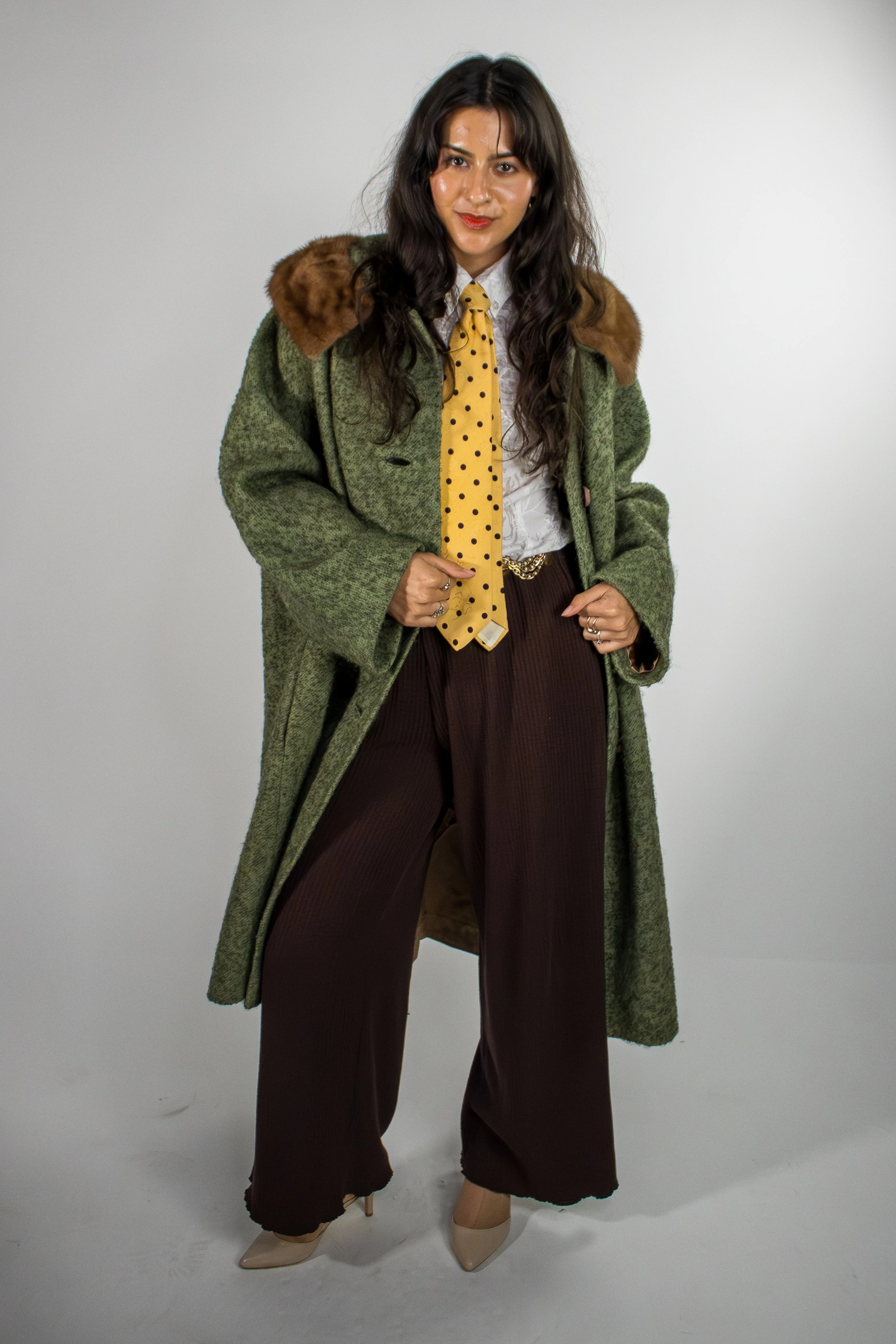
From the battlefield, workplace, and all the way to the movie theater, regardless of the context they’re found in, trench coats are always worn for more than just their utilitarian appeal. They symbolize survival, demand respect from peers, and serve as a shroud for dark and mysterious characters in film. On top of that, they’re incredibly comfortable, come with more pocket space than you’ll know what to do with, and go great with anything; from three-piece suits to t-shirts and jeans. If you need something in your wardrobe with a powerful presence that refuses to go out of style, then a sturdy trench coat will be your best friend for whatever occasion you drape it over yourself for.