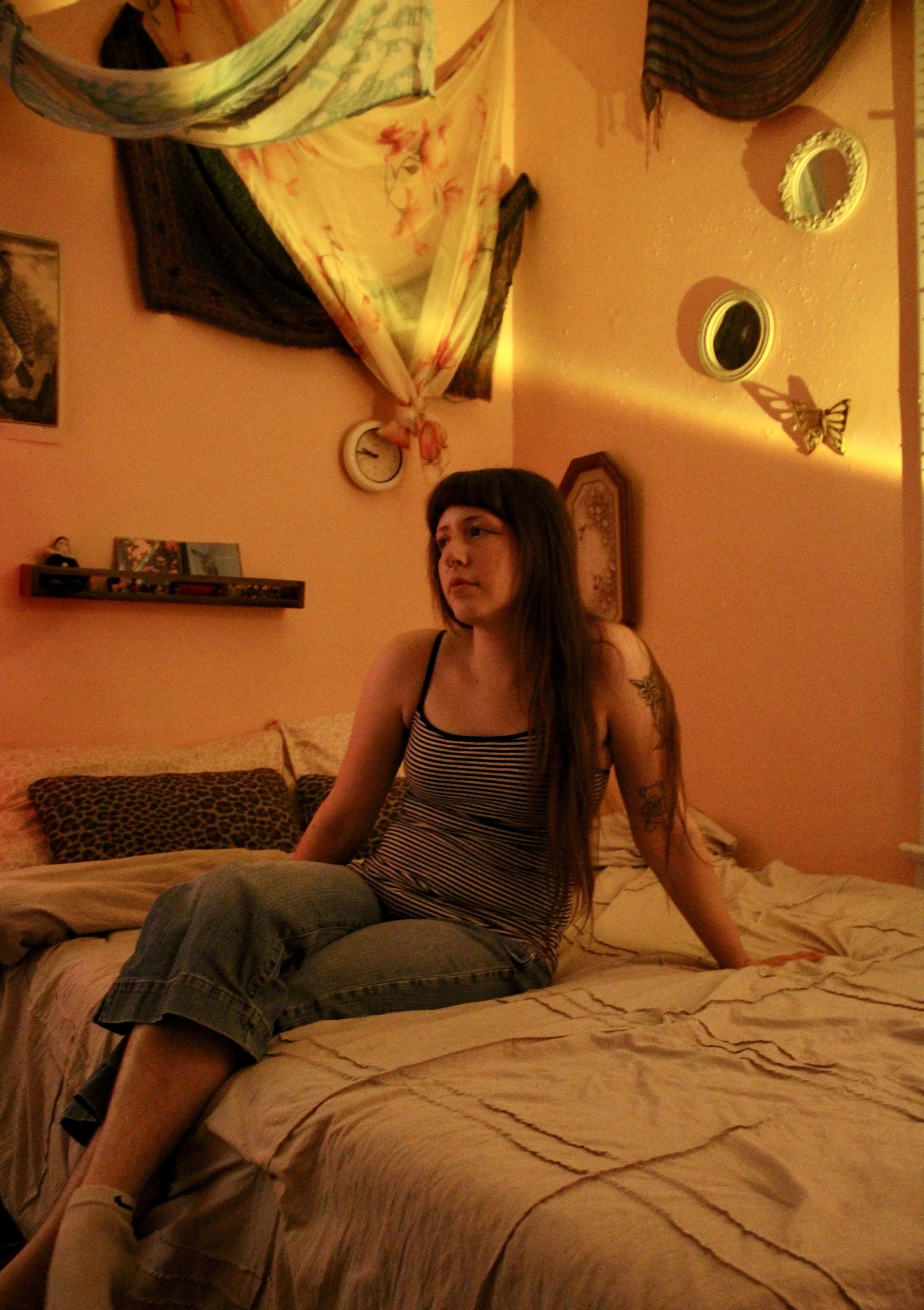
Allow Me to Set the Mood (No, Literally): A Look at the Practice of Mood Lighting
Written by: Kaitlyn Patton
Modeled by: Mia-Sophie Klauberg, Sophia Lins, Molly Pritchett, Cole Vest
Photographed by: Liz Eike
I have spent far too many hours of my life scrolling through Pinterest, looking at gorgeous rooms, and wondering: “What makes the space I’m looking at so different from my own?” After years of analyzing, comparing, and blowing money on room decor, I have discovered that what gives a room that certain je ne sais quois isn’t that midcentury modern armchair, nor is it that cat clock or that houseplant in the corner (although they are both adorable). The secret is all in the lighting.
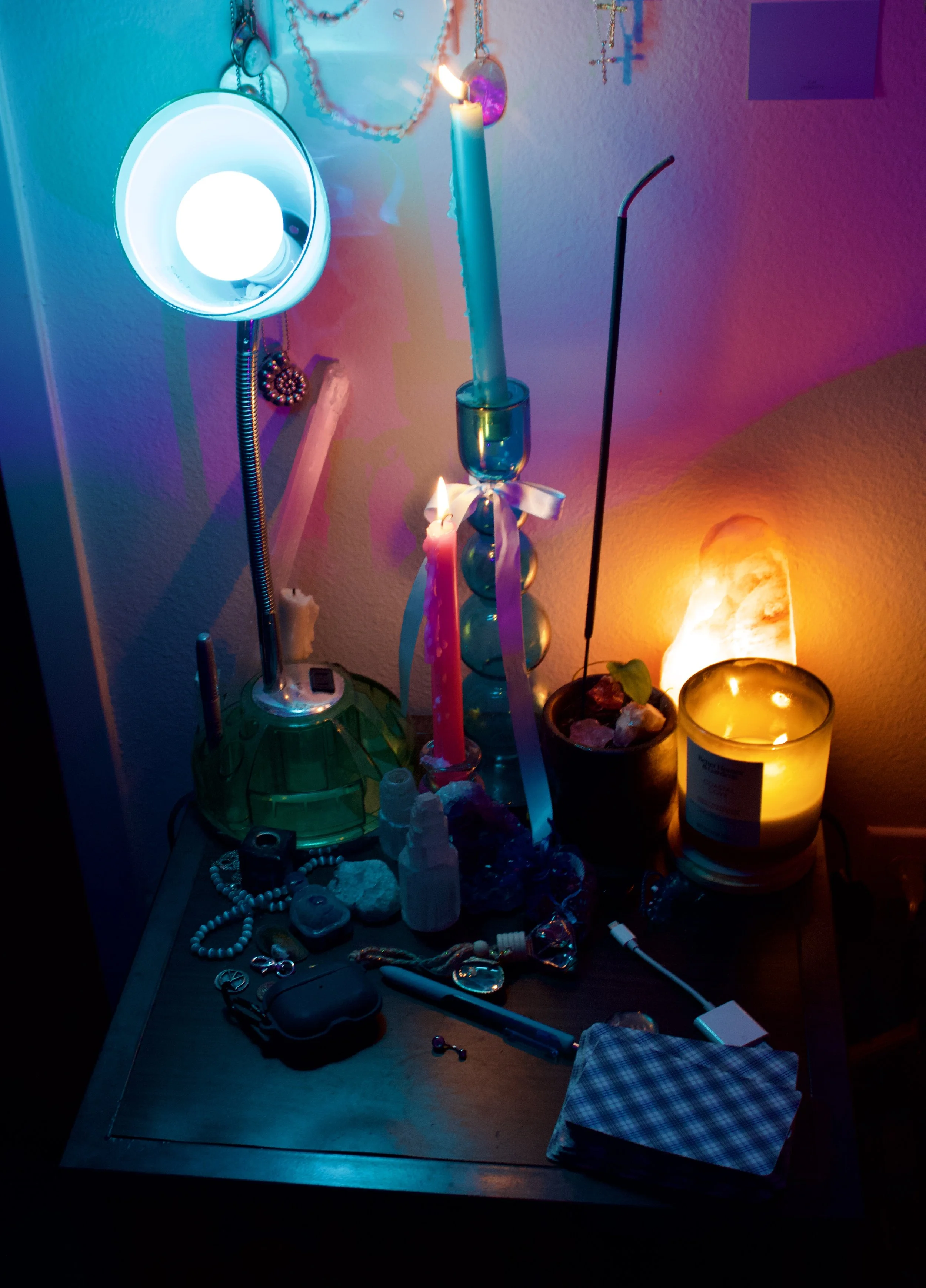
Colorful lighting is no new concept; as a matter of fact, the visual media industry has been utilizing colorful lighting to suggest certain emotions for nearly a century. Red is passion and anger, yellow is joy, blue is sadness, and so on.
Due to lighting’s known effects on human emotion, it’s no surprise that strip lights saw a spike in popularity during the height of the COVID-19 pandemic, a time when the world felt lonelier. The background of almost every TikTok posted was completely washed out in color, contrasting with the outside world, which seemed to be at its bleakest. I myself hung up fairy lights, which I still use to this day to give my room a wash of color or influence my mood.
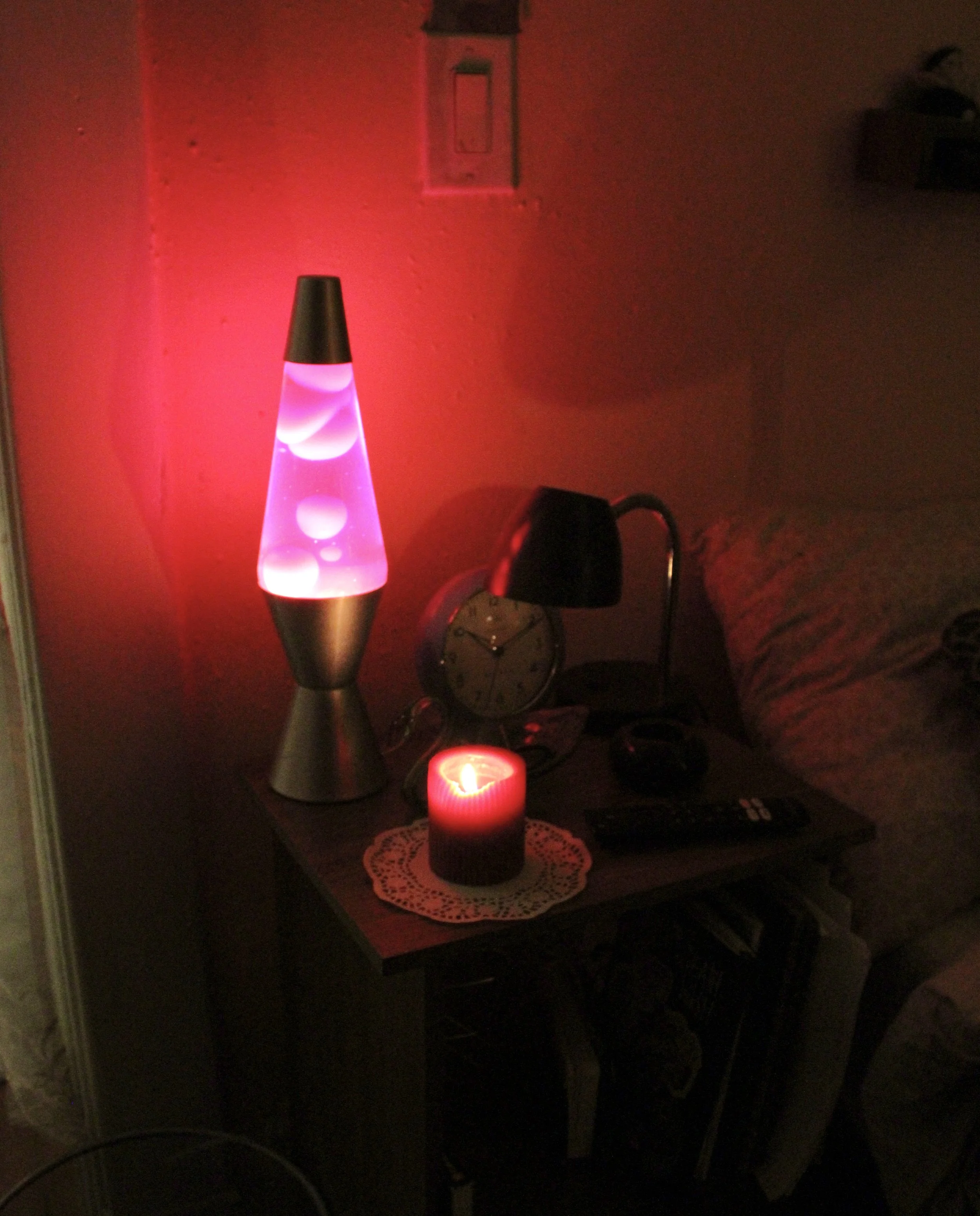
In an ever-hectic world, your home is the only space that operates completely on your terms, and this is something we’ve been cognizant of for centuries when personalizing interiors. From the invention of the Tiffany lamp in 1885 to the first colored light bulbs throughout the 1970s, ‘80s, and ‘90s, we’ve been searching for ways to jazz up our spaces and express our personalities through color for decades. So next time you find a corner of your living room a little too dull or need something to illuminate your desk as you study, consider looking for light sources on Facebook Marketplace or buying a stained glass light bulb. This is the final step to making a house feel like a home.