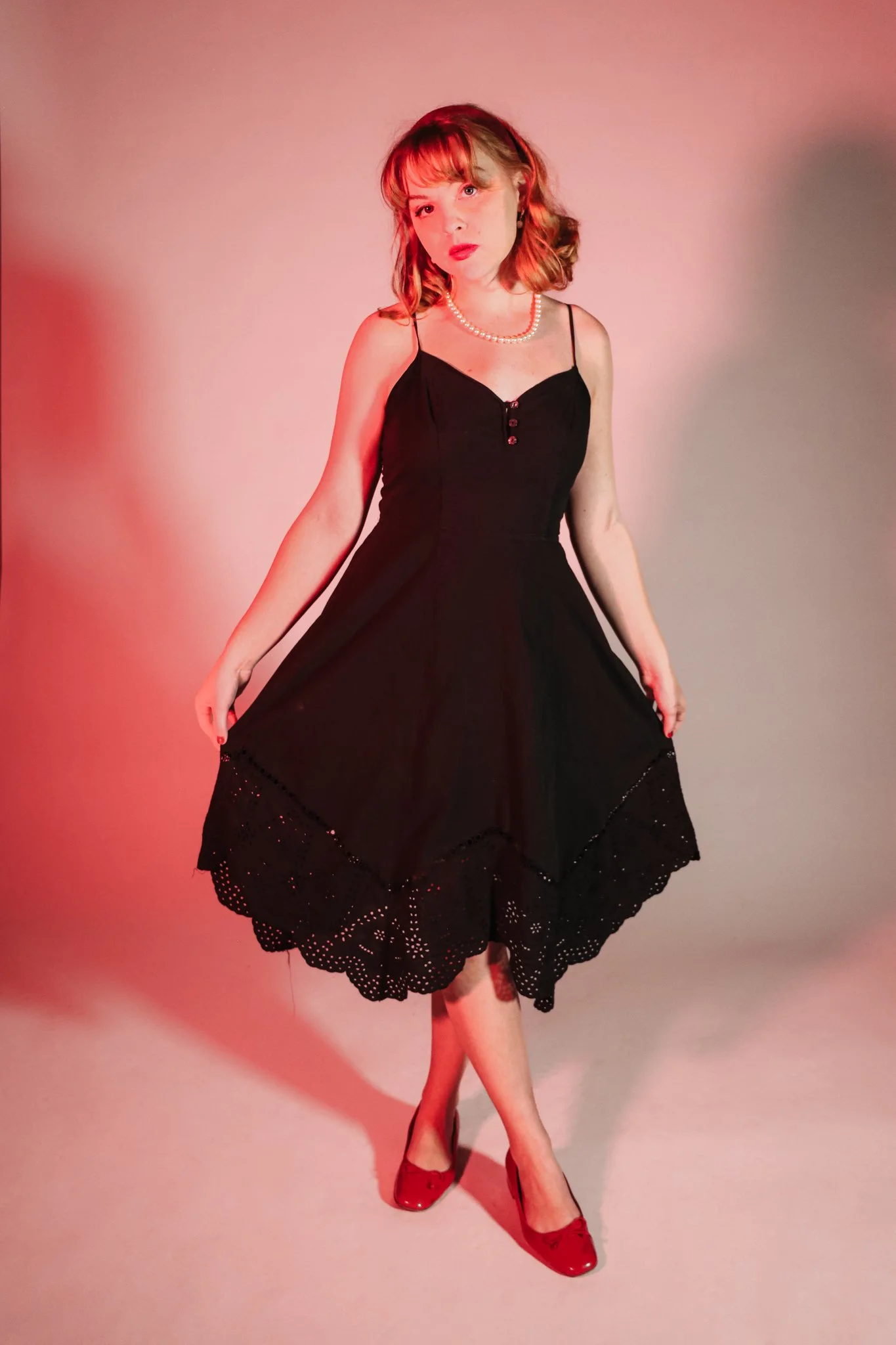
The Launch of the ‘50s Bombshell
Written by: Candice Dalton
Creative Directed by: Candice Dalton and August Ervin
Photography by: Jenna Brown
Styling by: August Ervin
Modeled by: Laurene Workman, Macy Scott, Margot Maple, & Nhi Hoang
“Bombshell,” “Sex Symbol,” “Sexpot,” “Doll,” “Fox,” – all words historically used to sexualize and objectify women that are still used in the same context today. Beauty standards for women have been around since ancient times, as women have been and continue to be held to the standard of men. While we look at the history of beauty standards for women, specifically in the ‘50s, many makeup trends have played a part in the sexualized beauty realm.

Beauty marks have an extensive history in past and present beauty trends. Dating back to Ancient Greece, beauty marks were used to predict one’s future, and when on the face, they were symbolic of good fortune. In Medieval Europe, these marks were grouped with witches, and many who had these marks on their faces were deemed possessed by the devil. Then, similarly to current-day views of beauty marks, in 18th-century Mexico, many women popularly wore fake beauty marks on their foreheads.
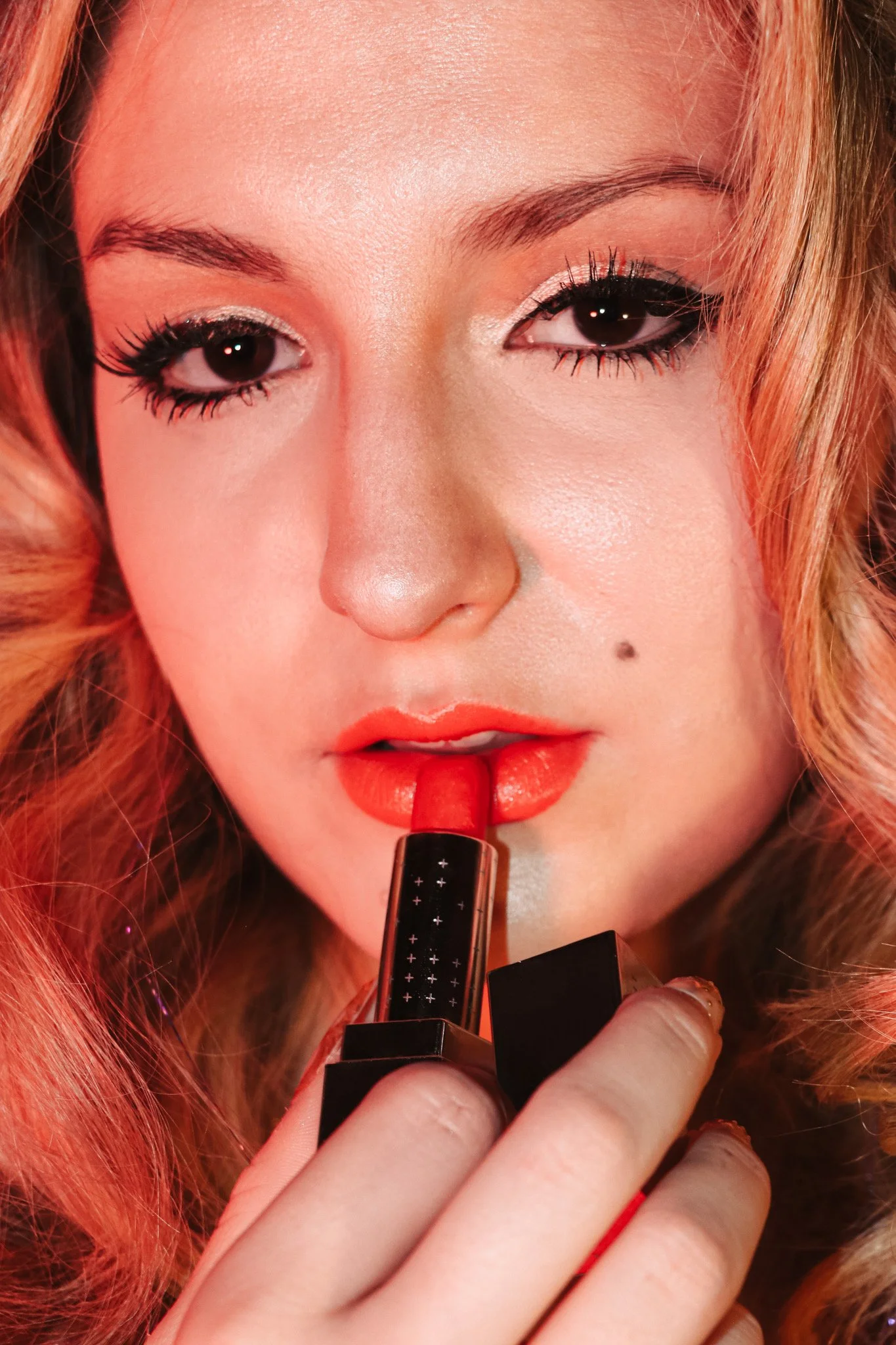
Fast forward to the early 20th century, Marilyn Monroe was introduced to pop culture, and beauty marks became a craze in America. Monroe became very influential in the beauty world as she was an actress, singer, and model who became well-known for her distinct beauty mark above her mouth. In addition to her white-like hair, a feature she was also very well-known for, this distinct mark became a pivotal moment in her career and in her debut to the beauty realm.

The early 20th century is where the public began to see the kickoff of beauty marks being drawn on the faces of models, actresses, etc.; beauty marks became such a desirable feature that it became part of people’s daily makeup routines. In addition to Monroe’s influence, celebrities like Cindy Crawford, Blake Lively, and Madonna are also well-known for their signature beauty marks; these beauty marks on the face of women who were admired for their beauty, further sexualized the feature, making it more desirable for both men and women. The concept of a normal facial feature, like a mole, becoming a sexual feature is dangerous and a scary reality for women and how they are often viewed as sex objects, rather than people.
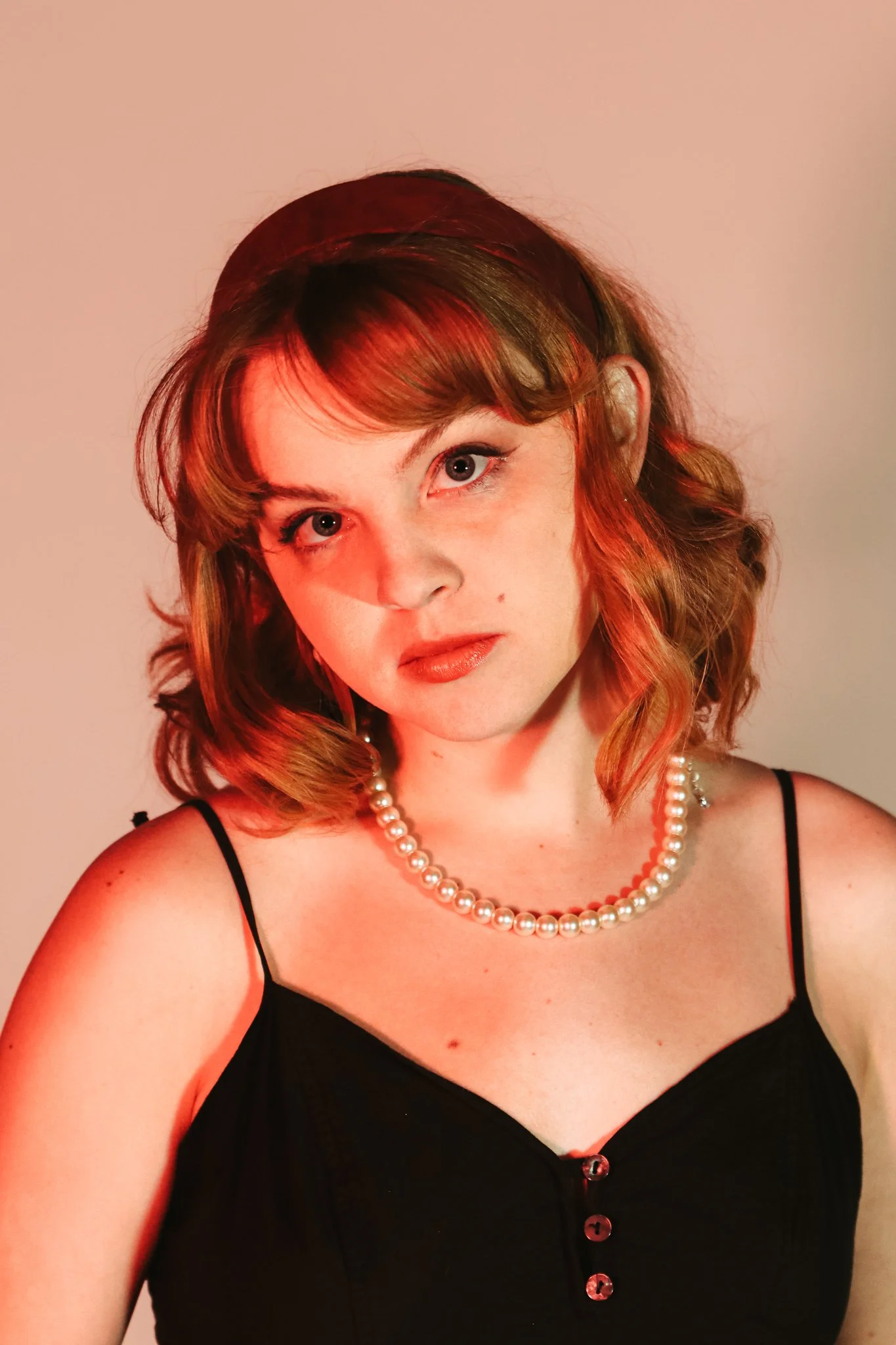
Similar to the beauty mark, the red lip became a craze in the ‘50s. Red lipstick was and still is a bold choice of color and statement; the red lip became a symbol of femininity and women embracing their femininity, as well as a symbol of strength and unity during World War II. Women who resided in Nazi territories wore red lipstick in defiance, to protest against Hitler, as he was opposed to the use of cosmetics. During this time, in the U.S, red lipstick was worn by women in the military and women who worked in war supply factories to show unity and strength. Rosie the Riveter was the face of war propaganda and the poster child for military women during World War II. In the posters that famously said, “We can do it”, Rosie the Riveter was shown wearing the symbolic red lipstick that attempted to create a sense of solidarity amongst women during this time.

Years later, Hollywood celebrities brought back the popularity of the red lip and redefined its meaning through seduction and feminine beauty. The red lip became a facade of the "perfect woman” and aligned with the ideal woman of the time; a woman who stayed at home, made dinner for her husband every night, and had the perfect makeup and hair at all times, which was the standard for women at the time.
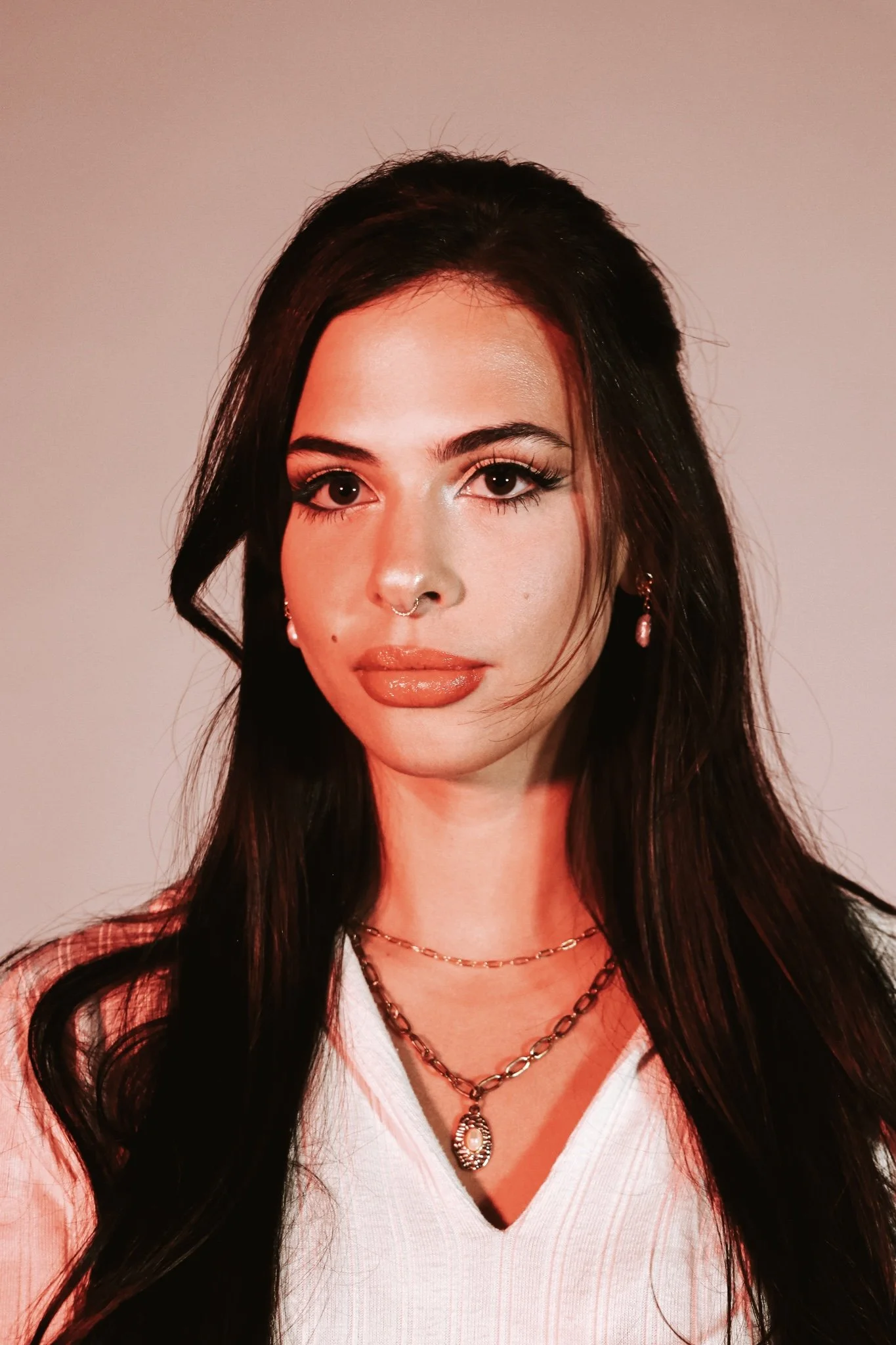
Today, red lipstick is still a fierce and bold addition to one’s makeup. The red lip has become less of a day-to-day look and more of an addition for going out on the town. After decades, the look is still sexualized by men, and the perception of a woman is changed when this small cosmetic look is added. As men continue to sexualize women and how they express themselves, the objectification of women is more normalized and women lose these cosmetic outlets of self-expression. The importance of women continuing to add these cosmetic elements of self-expression continues to stand for the reclamation of what these cosmetics symbolize for every woman.
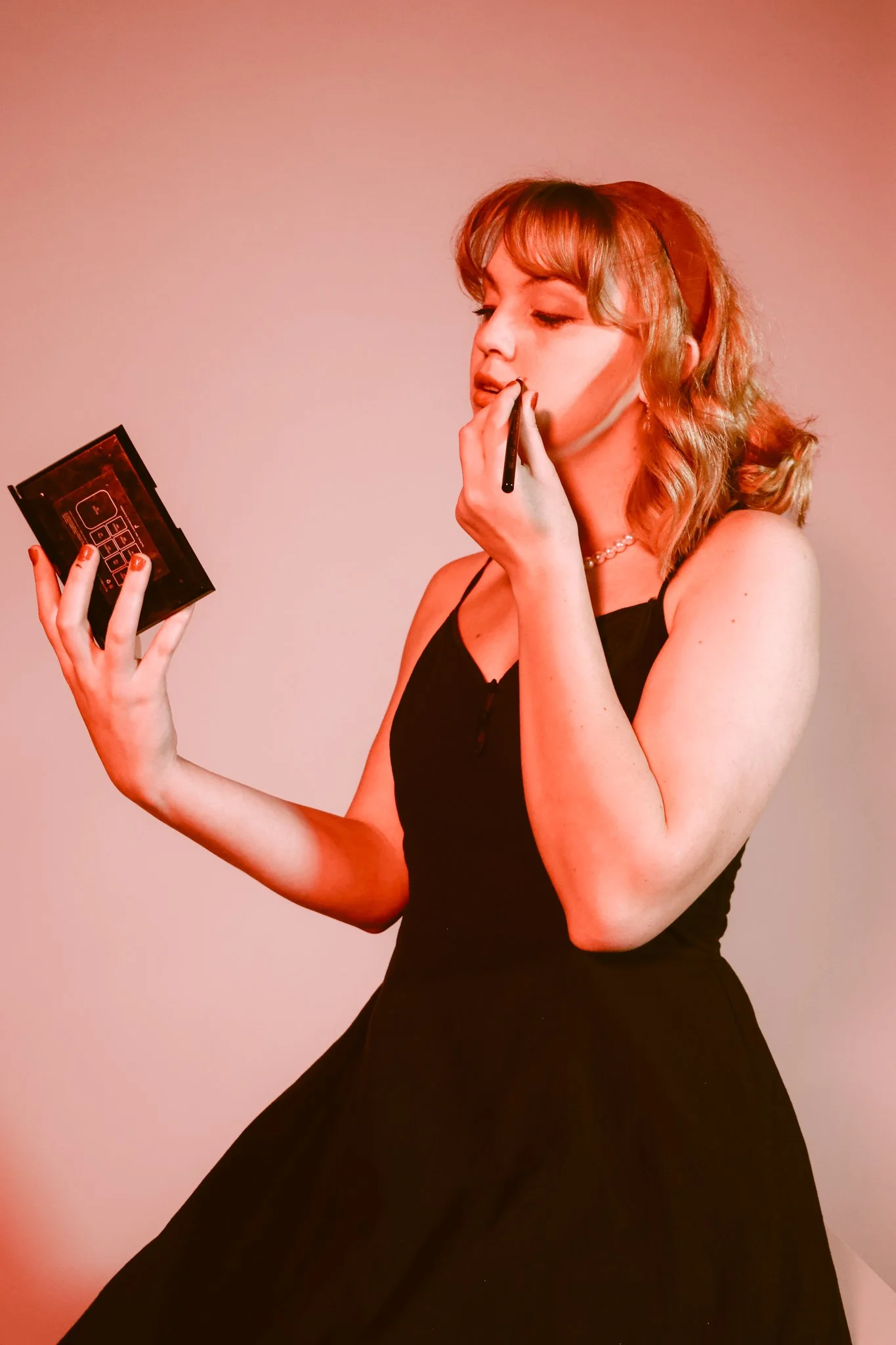
“Bedroom eyes,” another sexualizing term typically targeted towards women and the sort of gaze they hold, refers to the fixation of women’s eyes and how it makes them more sexually appealing. Monroe is another great example of this, as she has the standard gaze that many referred to as “bedroom eyes” or “do me eyes.” A photograph of Monroe titled "Marilyn Monroe Bedroom Eyes 1952" captures her smoldering eyes that have been sexualized, and is still sold today. While “bedroom eyes” were fixated on the way a woman gazed, there was much more to the look of “bedroom eyes.” If you search “bedroom eyes,” there is an array of women wearing some sort of eye cosmetics like mascara, eyeliner, and eyeshadow in addition to the smoldering gaze. This idea that a woman’s eye makeup or gaze are sexual and seductive by men is ridiculous and unrealistic. Women should be able to express themselves through the use of cosmetics without being sexualized and objectified in the process. The self-expression of eye cosmetics has become a very popular trend, with “cat eyes”, “smokey eyes”, or a more simple look. These small details serve many purposes to women in the beauty world and increase confidence and community amongst women; it is the objectifying nature of the patriarchal society we live in that takes this community and confidence away from women.

Eye-makeup trends have remained popular over decades, much like the red lip. The well-known winged eyeliner gained popularity in the ‘50s as well as subtle mascara and eyeshadow trends and while many eye-cosmetic trends seem to come and go, the makeup tied to the “bedroom eyes” look seems to remain stagnant over decades.

Monroe is one of many women who became a “sex symbol,” “fox,” and “doll” to the public eye. It was her influence in the beauty world that caused many makeup trends to boom. The significance of her impact still stands today, as these trends are still part of beauty culture that make up many makeup trends that are still part of the beauty world today. Makeup is a form of self-expression, and its importance should not go unnoticed. While women have been sexualized throughout history, simply for being women, they have since reclaimed beauty trends and turned them into their own self-empowering symbols of expression; women deserve to feel confident and empowered by their cosmetic forms of self-expression, not sexualized and objectified.