
Back to the Future: An Examination of the 30-Year Trend Cycle
Written by: Cole Vest & Kaitlyn Patton
Modeled by: Jada Heard, Sarah Jeon, Cade Johnson, & Rachael Mueller
Photography by: Mavis Parks
Makeup: Lexi Losh
One of the most unifying characteristics of humankind is our propensity for nostalgia. According to the National Institute of Health (NIH), nostalgia is beneficial, necessary even, for the human psyche. It boosts optimism and fosters future-oriented thinking, making it the perfect escape when the social landscape of the outer world turns lackluster. Nostalgia provides more than just an escape, however. In the same publication, the NIH also states that nostalgia is a very strong catalyst for interpersonal connection and community, which may explain why we see the nostalgia we feel reflected on a society-wide scale.
You may have noticed that in the 1980s, there were an awful lot of movies that reference the 1950s (“Back to the Future” (1985) (, “The Blues Brothers” (1980), and “Little Shop of Horrors” (1986) just to name a few), or that lately, your mom seems a little more regretful about getting rid of her old pair of Dr. Martens all those years ago. Both of these occurrences are a part of the cycle of trends, and, more particularly, a phenomenon known as decades “doing” other decades. When a decade “does” another decade, we find a decade’s fashion trends closely reflect those of a previous decade, often alongside larger-scale cultural patterns and generational trends.
Though these generational trends are multi-faceted and can derive inspiration from many different sources—or in this case, decades—for the sake of this article, we’ve decided to hone in on the 30-year trend cycle, specifically. The trend exchanges we will be investigating are as follows: 1970s-does-1940s, 1980s-does-1950s, 1990s-does-1960s, and 2020s-does-1990s. We aim to highlight the fashion staples of the past that resurfaced three decades after their initial popularity. We will also analyze how the general media of the time reflects these trends, and what outside factors and events of the time may have been an influence. We’ve found that trends tend to repeat themselves just as often as history does.
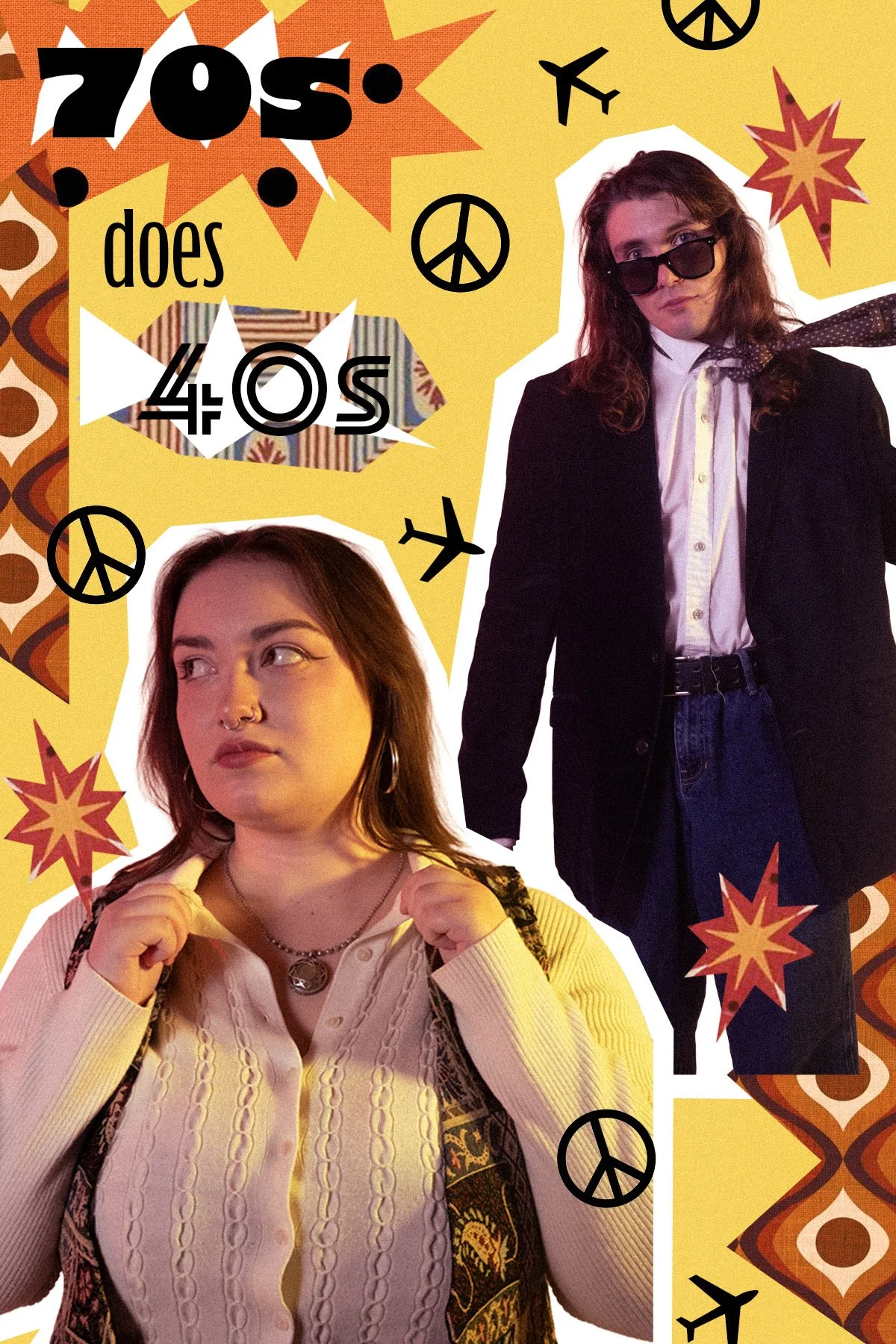
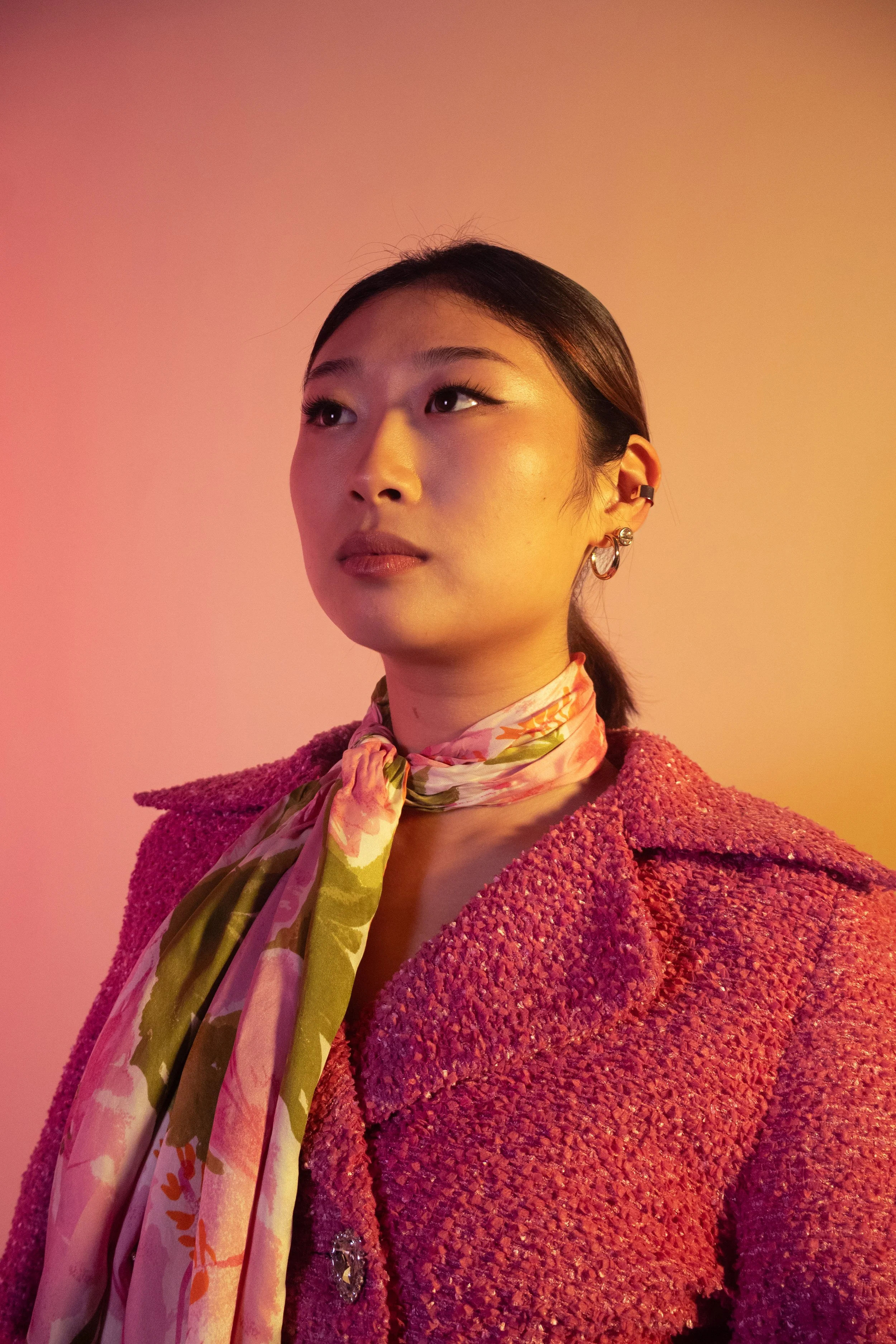
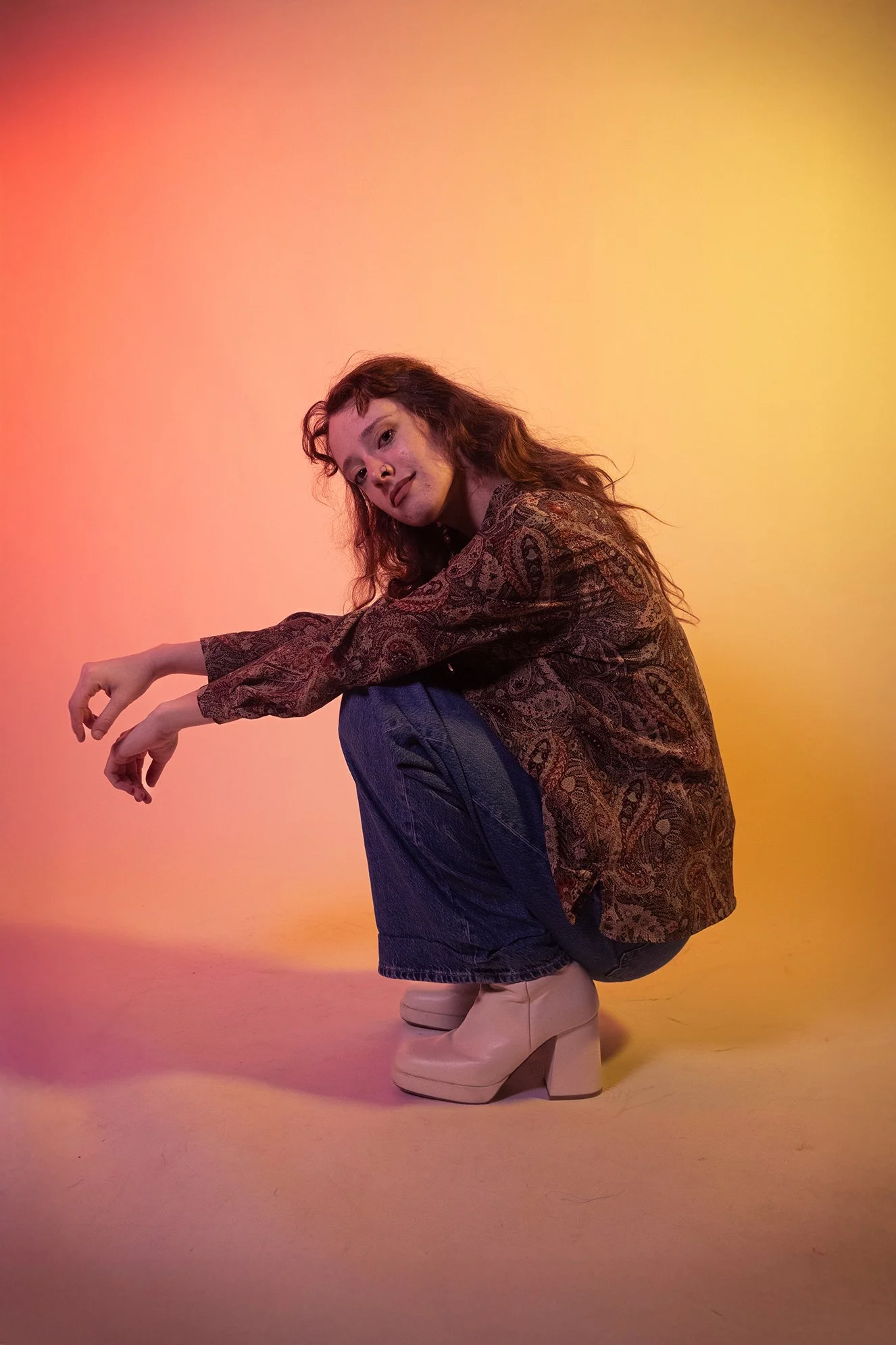
1970s-does-1940s
In the 1970s, political divisiveness swallowed our nation whole. The Watergate Scandal (1972-1974), the oil crisis (1973), and Nixon’s resignation (1974), followed by the end of the Vietnam War (1975), left Americans feeling politically exhausted. Rights for women, disabled individuals, and the LGBTQ+ community were consistently contested with the passing of Roe v. Wade (1973), The Rehabilitation Act (1973), and The First National March on Washington for Lesbian and Gay Rights (1974).
Much like the ‘40s, 1970s-does-1940s fashion was highly modest. Wartime fashion saw its biggest boom since World War II (1939-1945) thirty years prior. Militant silhouettes with flared bottoms and slim-fitting tops dominated office and academic spaces alike as Vietnam War troops were both mourned and celebrated. Women and men alike utilized masculine silhouettes and smartly tailored professional gear, asserting their presences in the workforce as tides turned in favor of the working women’s movement. Highly impacted by war-time shortages, fashion became fairly frugal. Clothing served practical purposes as many turned to the workforce to support their families. This included tailored pantsuits, or what would become known as the power suit, and businesslike accessories such as the fedora and wingtip shoes. Further, simple patterns such as stripes and plaid soared in popularity.
Marlon Brando’s “The Godfather” (1972), takes place in a post-WWII society in the year 1946, highlighting the political upheaval even in what many considered to be a “simpler time”, a reminder to many that life has always been this hectic. While callbacks were being made to universal events like war and organized crime, other criminalized activities, such as the use of recreational substances, were being reclaimed from the government in a way the world had never seen before (i.e. the progression from the usage of LSD in Experiment MK-Ultra which took place in the 1950s-’60s to its more casual usage at concerts and festivals in the late 1960s-early 1970s).
Thirty years after the discovery of LSD’s hallucinogenic effects (discovered by Albert Hoffman in 1943, published scientifically by Werner Stoll in 1947) came psychedelic rock. Psychedelic rock is a style of rock music characterized by distortion and jazzy tempos. Examples of this can be heard in Pink Floyd’s “The Dark Side of the Moon” (1973). Though psychedelic rock was more prevalent in the late ‘60s (see: “Are You Experienced” by The Jimi Hendrix Experience (1967), “The Doors” by The Doors (1967), and “Rubber Soul” (1965), “Magical Mystery Tour” (1967), and “Yellow Submarine” (1969) by The Beatles), psychedelic rock’s later popularity seeped into the style and culture of the ‘70s.
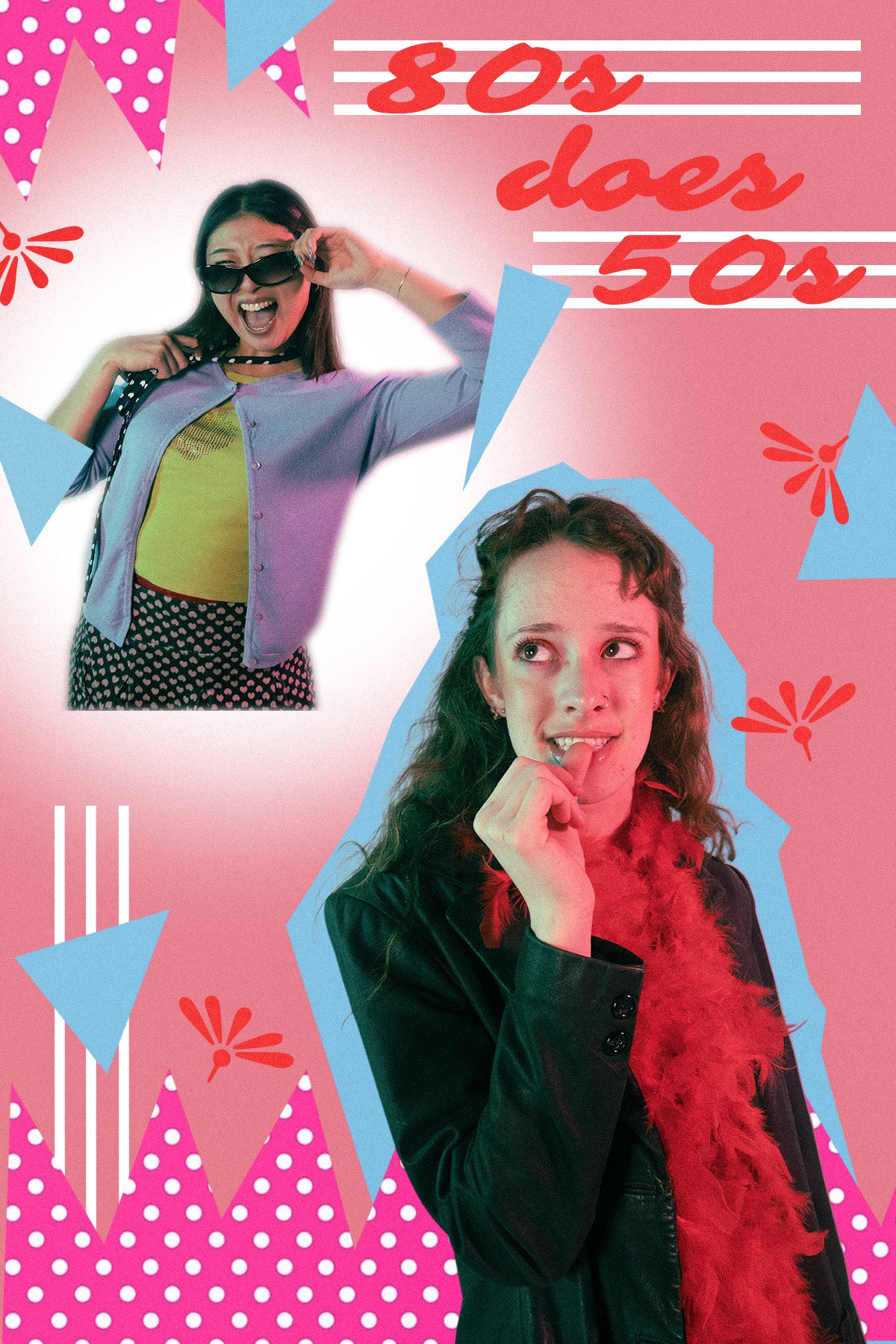
1980s-does-1950s
In post-war society, we saw an increase in general optimism alongside patriotic nationalism. With the 1980s came the nearly decade-long reign of Ronald Reagan (inaugurated 1981, in office until 1989). This reflected two terms of a Republican office under Dwight D. Eisenhower (inaugurated 1953, remaining in office for the rest of the ‘50s), McCarthyism, and the Red Scare era of the 1950s. Ronald Reagan’s terms came alongside a sharp rise in political conservatism and status-oriented fashion, geared towards the American Dream.
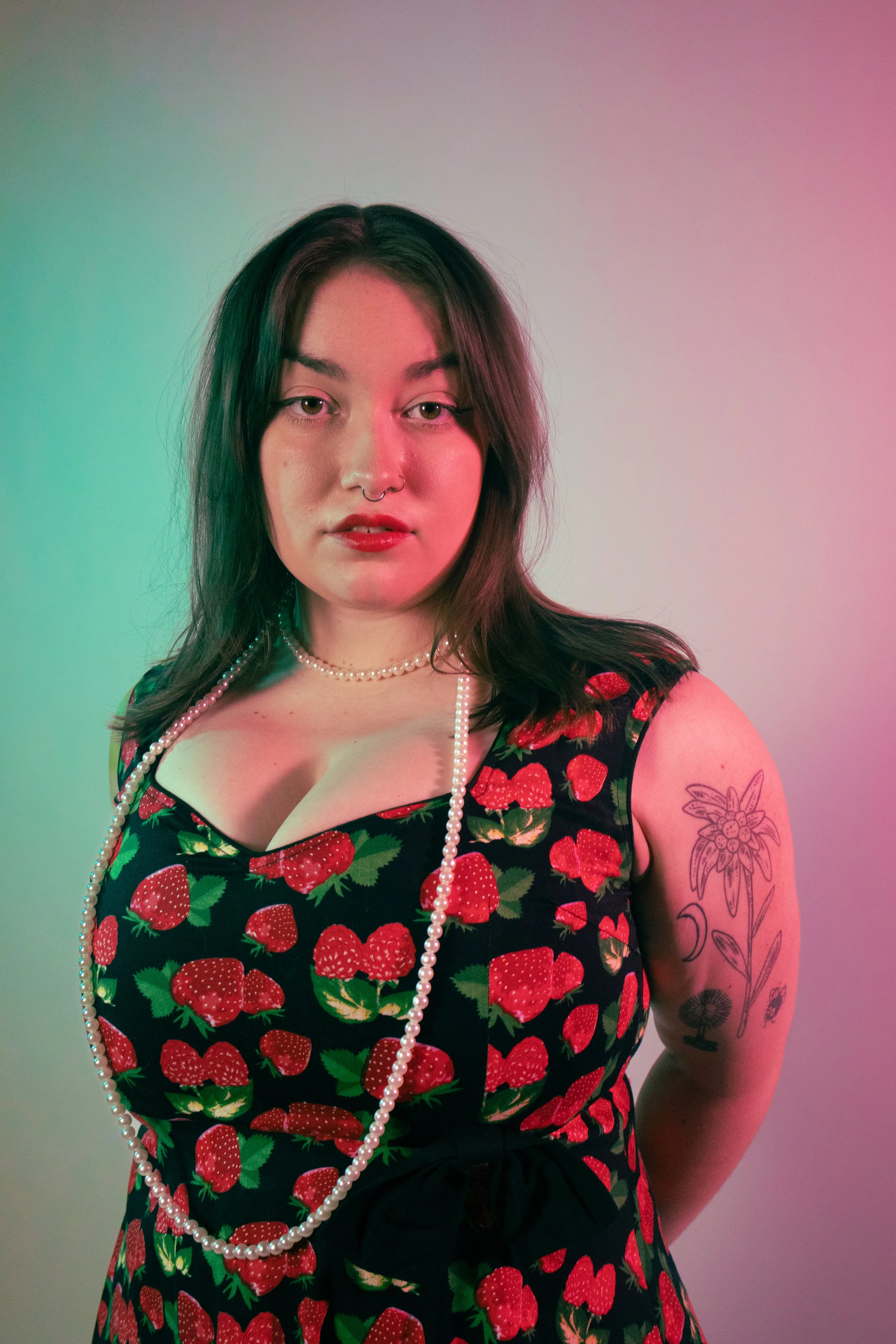
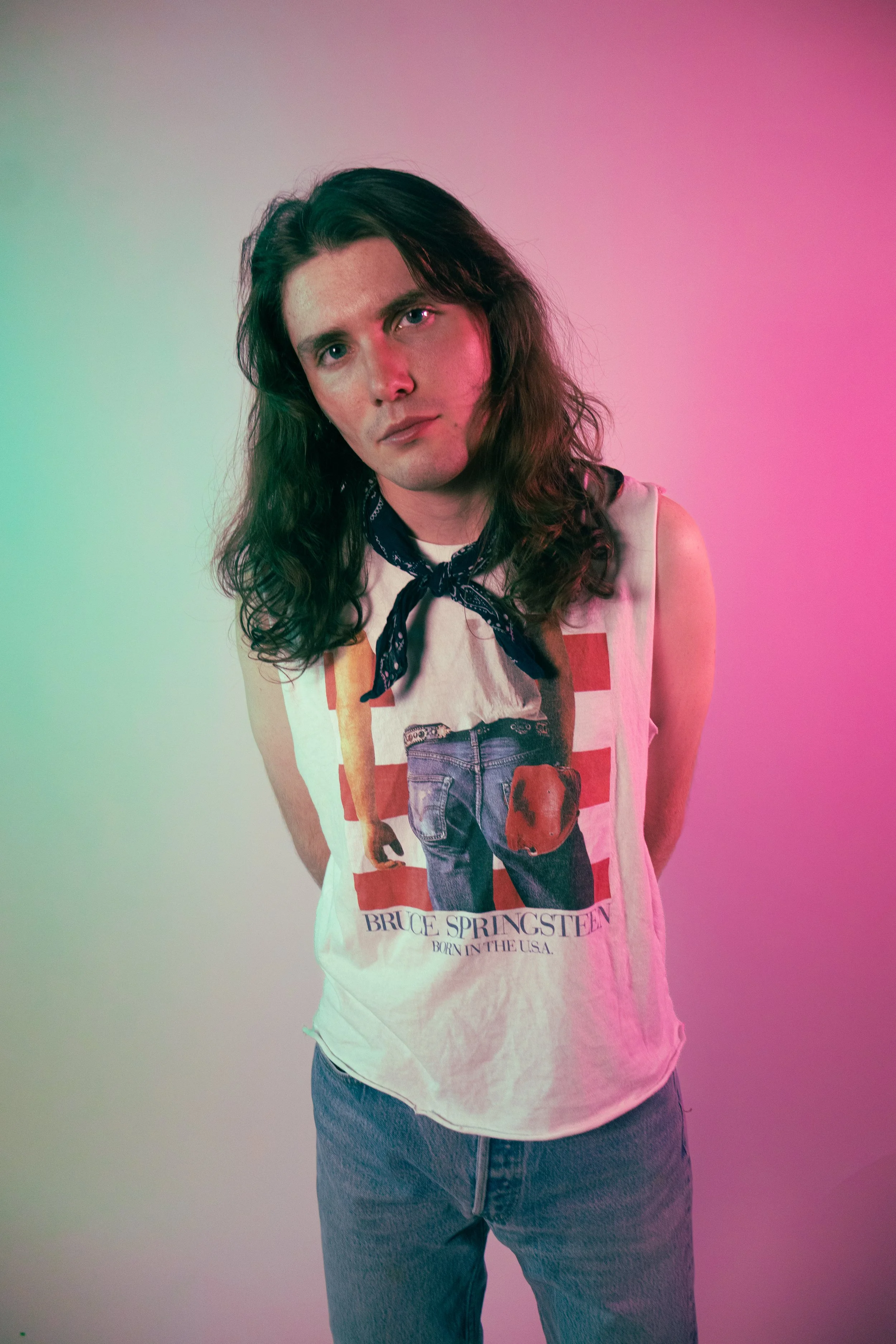
By the ‘80s, the red, white, and blue, retro-Americana aesthetic of the ‘50s was in pastels and bright neons. The all-American, good ol’ boy was back and better than ever in blue jeans and a white tee. The uptown girl was back in pearls and a poodle skirt. Staples of 1980s-does-1950s fashion include: bright colors, preppy fashion, and big, curled hair, a la Molly Ringwald’s Claire Standish in “The Breakfast Club” (1985).
Another staple of the ‘80s were rollerskates, popularized initially in the ‘50s. For example, “Xanadu” by Olivia Newton and “Get Rollin’” by Pat Richardson (both 1980) could have been inspired by the influence of “The Fireball” by Mickey Rooney (1950).
Movies like “Blade Runner” and “Tron”, both released in 1982, featured the bright colors and neon lights often attributed to the ‘80s, influencing the aesthetic of the era. This was reflected in television shows such as “Miami Vice” which aired from 1984-1989 and “Magnum, P.I.”, which aired from 1980-1988, both featuring detectives styled in brightly colored button downs and suit jackets. Further, as aforementioned, some of the most iconic media released in the ‘80s give reference to or actually take place in the ‘50s. “Back to the Future” (1985), perhaps most notably, sends Marty McFly from present day 1985 to exactly thirty years prior: 1955. “The Blues Brothers” (1980) features a plethora of references to the ‘50s, including the theme from “Rawhide” which aired in 1959. “Little Shop of Horrors” (1986), though never explicitly mentioning a set year, seems to take place in the late ‘50s (or early ‘60s), as inferred by the doo-wop interpolation throughout the movie-musical.
The 1980s music scene also heavily referenced the 1950s. For example, Madonna’s 1984 “Material Girl” music video references Marilyn Monroe’s iconic performance of “Diamond’s are a Girl’s Best Friend” from Howard Hawks’ “Gentleman Prefer Blondes” (1953). Madonna repopularized the bombshell aesthetic in the ‘80s, giving rise to a new generation of loud, alluring aesthetics that demanded attention. Further, Billy Joel’s 1989 hit “We Didn’t Start the Fire” references a multitude of 1950s pop culture icons and moments such as the opening of Disneyland (1955), “trouble in the Suez” (1956) and referencing, once again, Marilyn Monroe.
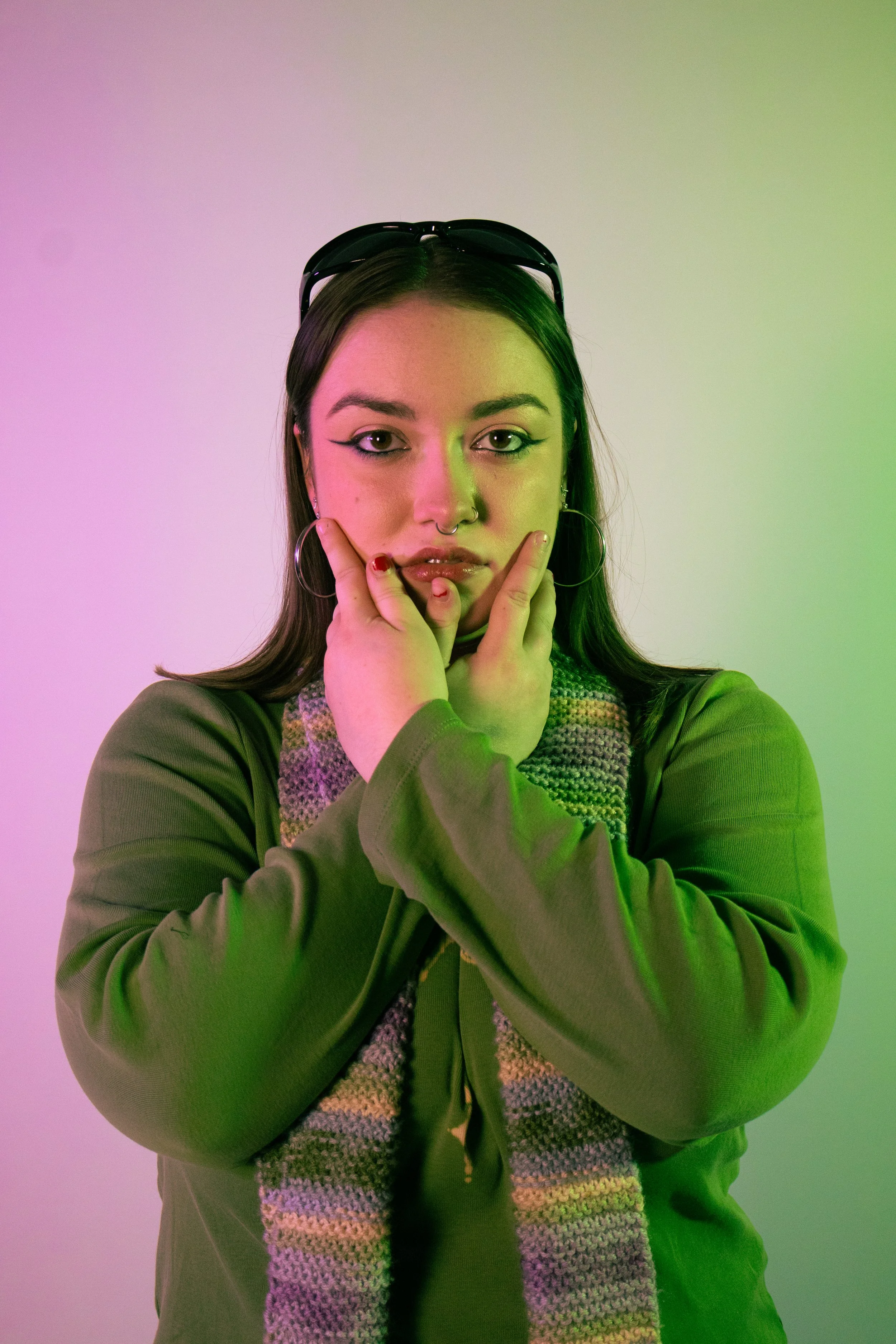
1990s-does-1960s
1969’s Woodstock revolutionized music festivals while celebrating the hippie lifestyle. Embracing peace, love, equality, and self expression were encouraged, all becoming hallmarks of the counterculture of the ‘60s. The ‘90s saw a re-up of counterculture celebration, alongside the rise of grunge, the internet, increasing anticipation for Y2K, and of course, Woodstock ‘99. The self-expression of the counterculture movement had traded bell-bottoms and blowouts for flared tracksuits, and bumped ends while keeping the near-garish aesthetics and dramatized silhouettes.
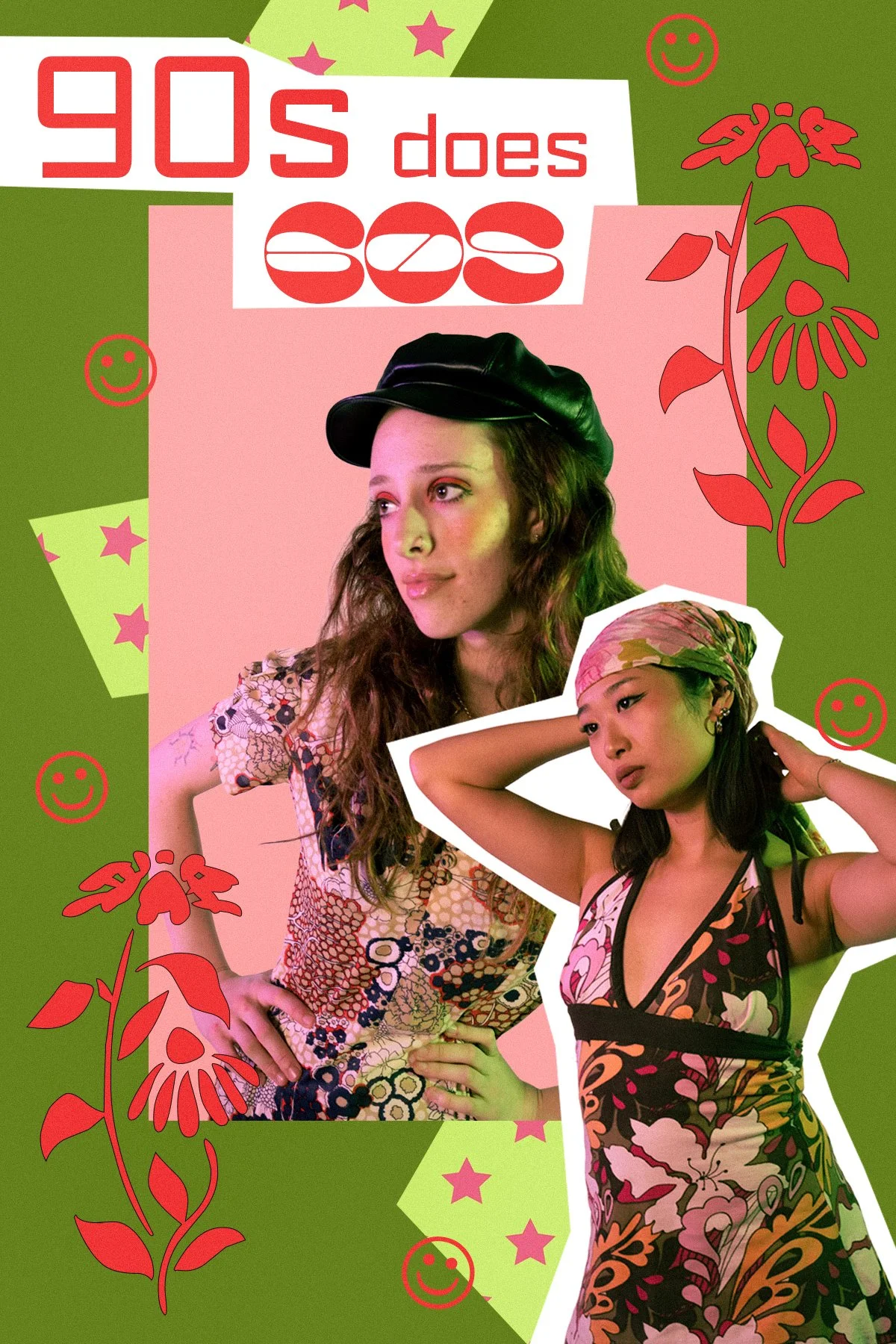
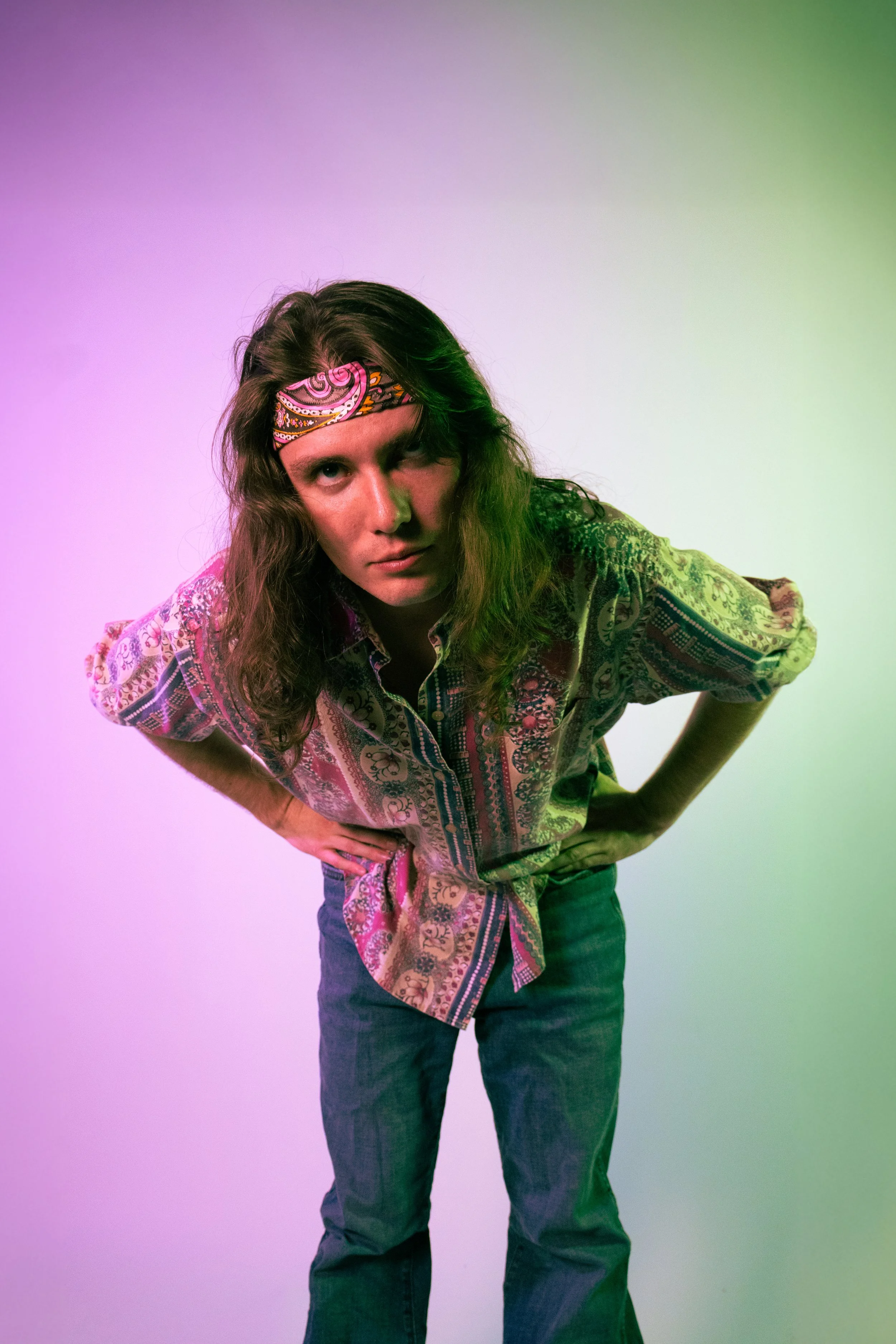
The ‘90s popularized “pops of color”, achieved through accessorizing with bandanas, head bands, glasses, mini skirts, sneakers, and tights. Inspired by the space-age ‘60s, ‘90s fashion was far out. ‘90s-does-‘60s fashion is characteristically bright and brazen or, contrastingly, dark, gritty and “heroin chic”. Think Britney Spears versus Kurt Cobain. Speaking of Kurt Cobain, his iconic glasses, which would later come to be known as “clout goggles” (a stellar example of 2020s doing ‘90s, which we will cover later) may have been a reference to Audrey Hepburn in William Wyler’s “How to Steal a Million” (1966).
Mike Myers’ “Austin Powers: International Man of Mystery” (1997), set in 1967, and “Austin Powers: The Spy Who Shagged Me” (1999) set in 1969, both follow the story of Austin Powers, a psychedelic super spy cryogenically frozen in the ‘60s who struggles to adjust to the modern ‘90s culture. Ironically, the groovy aesthetic of the Austin Powers franchise made its mark on the culture of the ‘90s, causing a surge in the popularity of pieces like go-go boots and ultra-tiny mini skirts. Austin Powers is not the only ‘90s movie to take place in the ‘60s, either. James Mangold’s “Girl Interrupted” (1997) is set in 1967 and David Mickey Evans and Robert Gunter’s “The Sandlot” (1993) takes place in the summer of 1962.
Further, the music of the ‘60s seeped its way into the expansive world of ‘90s music. For example, the 1990s saw a resurrection of the British Invasion as bands like Blur, Oasis, Radiohead, the Smiths, and the Spice Girls gained popularity in the Americas, much like British bands did in the ‘60s with David Bowie, The Beatles, The Rolling Stones, and The Who. The ‘90s also saw a Ska revival with Sublime, No Doubt, and 311 referencing first-wave Jamaican Ska from the ‘60s, introduced by Clement “Coxsone” Dodd, Prince Buster, Stranger Cole, and Duke Reid. Many ‘60s inspired projects were released at the time, such as “World Clique”, the album by Deee-Lite featuring the hit song “Groove is in the Heart”.
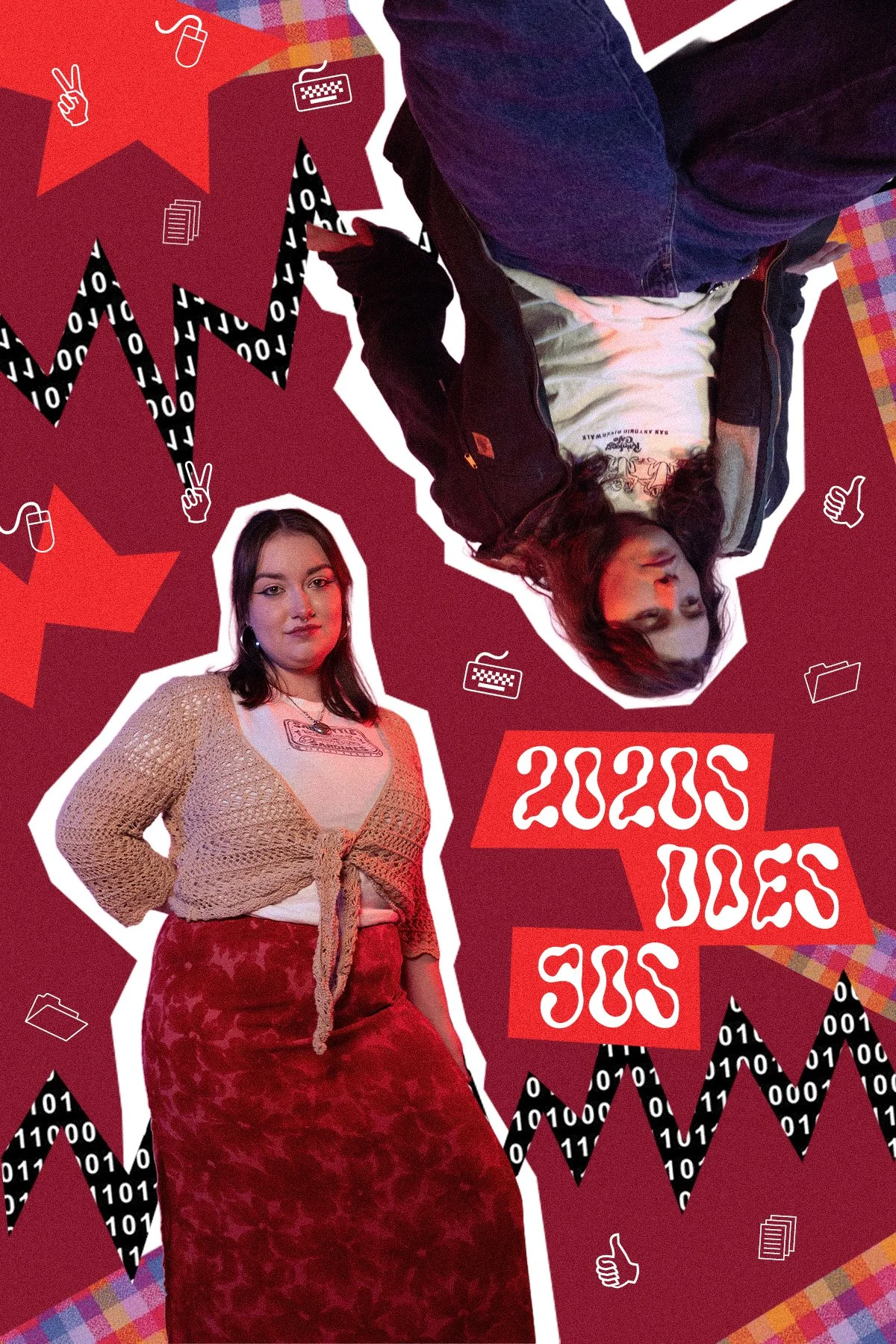
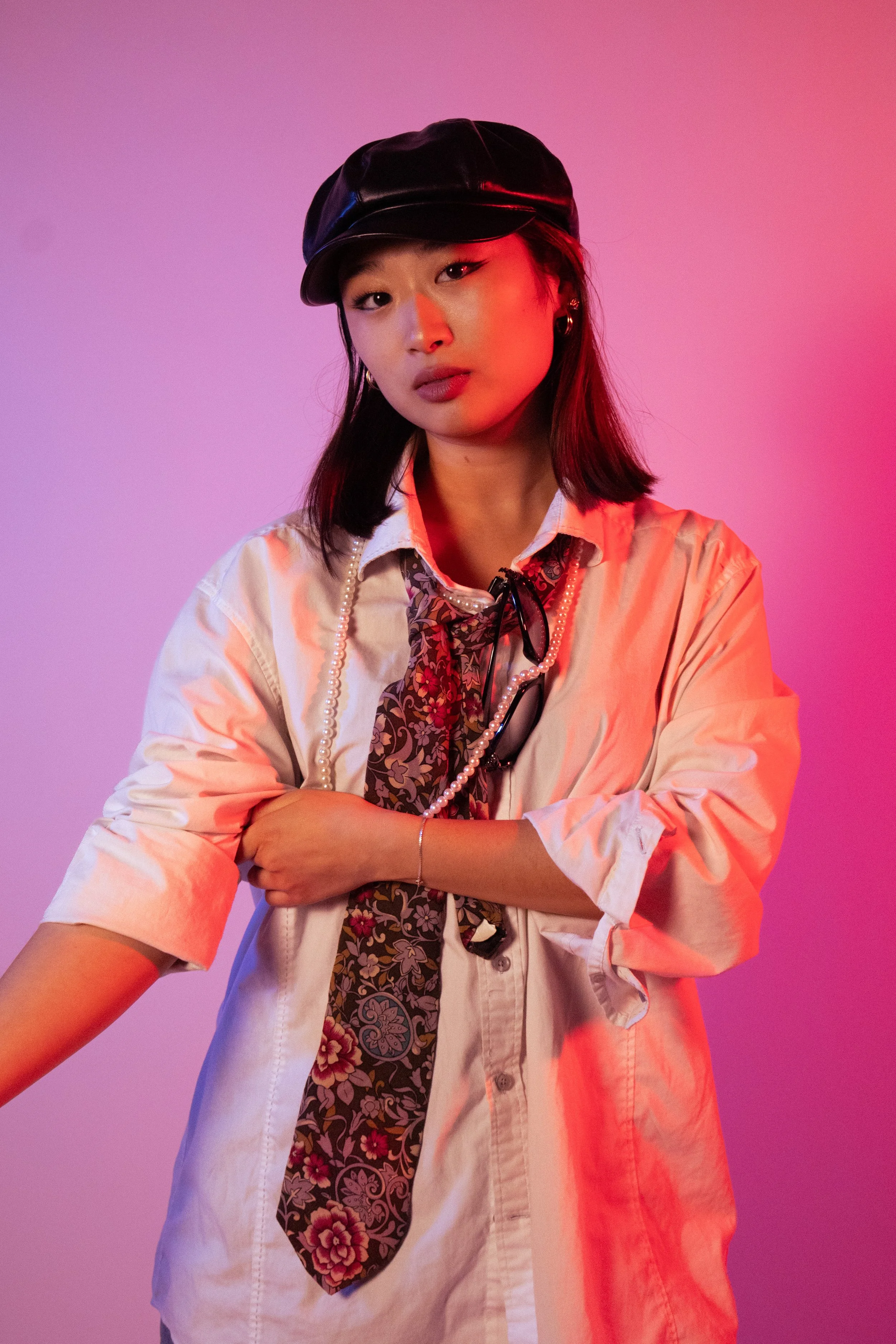
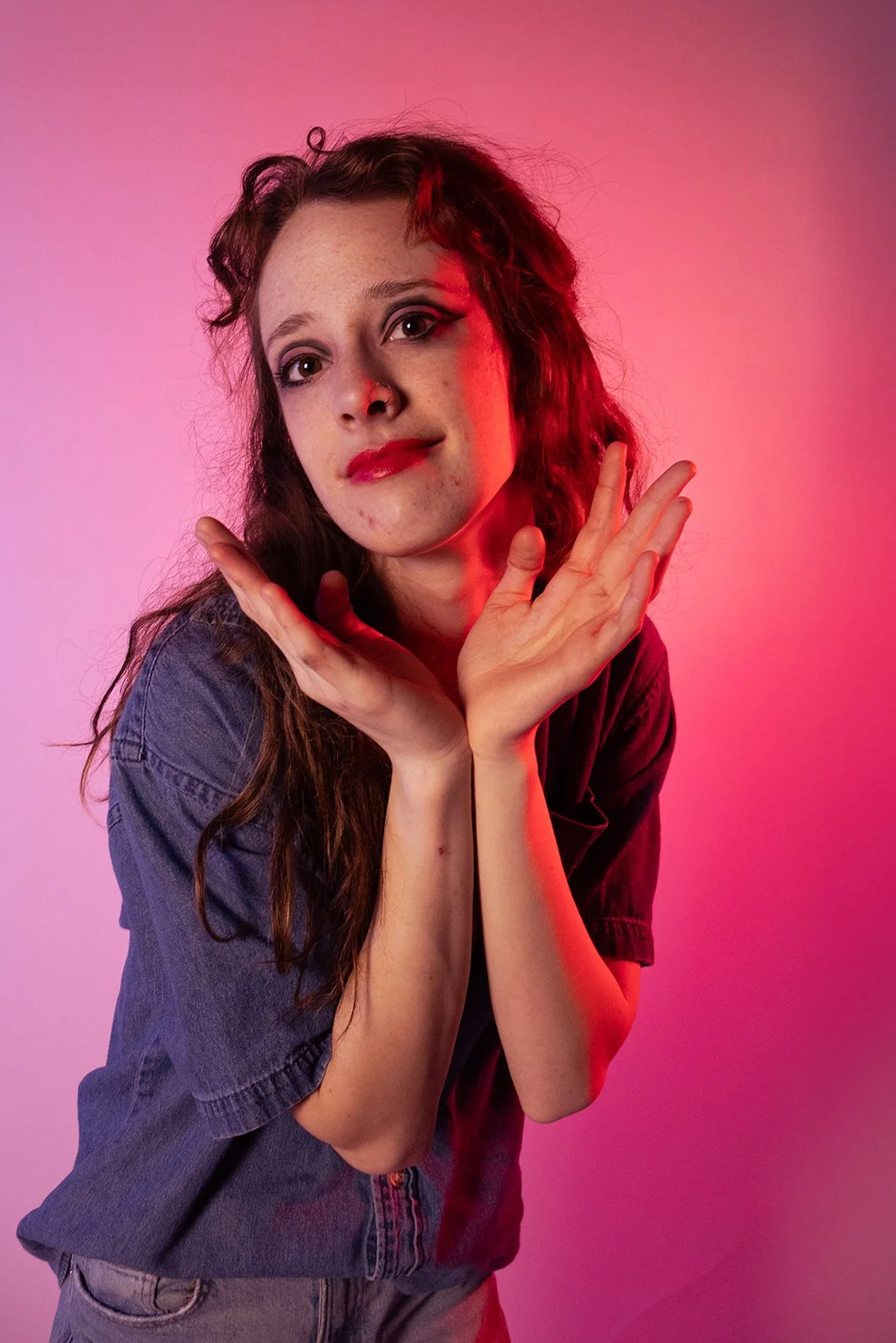
2020’s-does-1990’s
Thirty years ago, we saw the end of the Cold War (1991) and the Republican Revolution (1994). In the mModern day, we’re experiencing the post-COVID-19 rise of conservatism. The 2020s are heavily inspired by the aesthetics of the ‘90s. 2020s-does-1990s is much more grunge and alternative inspired, while 1990s-does-1960s fashion is much more go-go and disco inspired. Staples of 2020s-does-1990s fashion include: neon accents, bold textures, and flashy aesthetics, highly inspired by the influence of the internet, much like fashion was in the ‘90s with the introduction of the World Wide Web to the public in 1993.
The fashion of the ‘90s has been widely celebrated throughout the 2020s, from newsboy hats to to low-rise flares to Kurt Cobain’s famous Hepburn-inspired glasses, which are now widely referred to as clout goggles thanks to rapper Denzel Curry, who has a long history of commemorating Kurt Cobain in his work. In addition to clothing, we also see makeup styles like smudgy eyeliner coming back in full swing on both men and women (see the eboy craze of the early 2020s). Speaking of eboys, the platform that granted them their fame is perhaps what is most responsible for shaping the zeitgeist today.
Comparable to MTV’s (founded 1981, popularized in the late 80s and 90s) short-form music media is TikTok. Tiktok merged with Musical.ly in late 2018 and gained mainstream popularity into the 2020’s. As of 2025, TikTok has 1.59 billion users (statista.com). TikTok has had a major say in the cultural zeitgeist, especially in terms of what music is most popular among its audiences. Unsurprisingly, TikTok has a trending inclination towards ‘90s music. Nirvana’s “Something in the Way” (1991), The Cranberries’ “Linger” (1993), Mazzy Star’s “Fade Into You” (1993), and Jeff Buckley’s “Lover, You Should’ve Come Over” (1994) have a combined total of over one million TikTok posts.
Many ‘90s movies have been seeing remakes and spinoffs in the 2020s. “I Know What You Did Last Summer” (1997), “Scream” (1996), and “The Addams Family” (1991), for example, were given reimagined with the releases of “I Know What You Did Last Summer” (2025), “Scream VI” (2023), and “Wednesday” (TV series, 2022), respectively.
In the 2020s, women are once again being celebrated in pop music, much like they were in the ‘90s. 2020s pop girls such as Ariana Grande and girl groups such as Katseye find themselves influenced by Madonna, Mariah Carey, TLC, SWV, Destiny’s Child, tATu, and the Spice Girls. Ariana Grande’s “yes, and” (2024) is infused with 90s influence. The beat samples Vogue by Madonna (1990), and Mariah Carey is featured on a remix of the track. Katseye dressed up as Mariah Carey’s “Rainbow” (1999) for Halloween 2025. Beyonce, a ‘90s pop girl who is still celebrated today, released “BREAK MY SOUL - THE QUEENS REMIX” in 2022. This remix gives a handful of flowers to influential female musicians from the ‘90s such as Janet Jackson and Erykah Badu.
Further, the Nu Metal to hyperpop pipeline has had more than its influence on culture and fashion. Nu Metal, characteristically hard to listen to in the best way, paved the way for hyperpop, equally hard to listen to and equally as enjoyable. Limp Bizkit’s “Break Stuff” (1999) was sampled by Rina Sawayama, an experimental, hyperpop-forward artist, remixed with her single “STFU!” (2020) on her Hold The Girl Tour (2022-2023). JPEGMAFIA, a hyperpop-inspired rapper, sampled “Nookie” in his 2025 single “PROTECT THE CROSS”. 100 Gecs, a celebrated pioneer band of hyperpop, remixed Linkin Park’s “One Step Closer” (2000) in 2021.
Conclusion
Though cultural trends are hard to predict, whether it be movies, music, or fashion, we can count on the influence of the nostalgia of the past to always be present. As backwards as it may seem, taking a look through a history book or old magazine can be a great way to predict what hottest fashion trends may be on the horizon. So think twice before throwing out your parachute pants and go-go boots! For all we know, these relics may be the staple pieces of the future.