“I Feel Released!": The Rocky Horror Show’s Queer Roots
Creative Direction: Alia Barker (
Shot By: Jenna Brown
Styled by: Mia Klauberg
Select Makeup: Kait Patton
Modeled by: Jamie Jordan Lane, Peyton Randolph, Tony Lopez-Rodriguez, Kait Patton
Location: The Historic Gillioz Theatre
Written By: Alia Barker
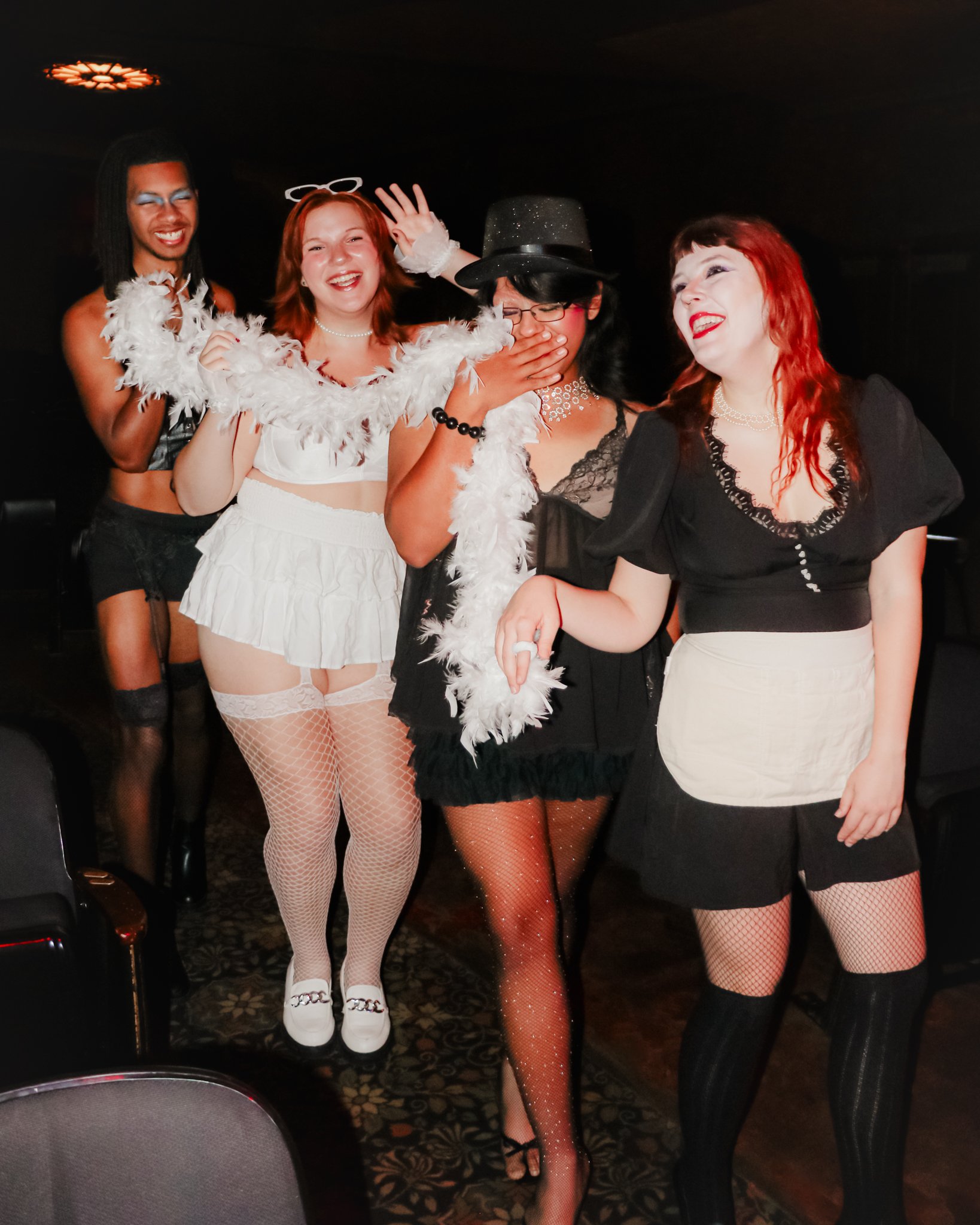
“The Rocky Horror Show” is a fall staple. Adorned in black, glitter, and lace, audience members prepare for an exciting evening they won’t forget.
Live viewings of “The Rocky Horror Show” are unique. Audience members dress like they’re ready to go onstage at any moment. Fans use props– such as water guns to represent rain–to accompany action onstage. Silent theaters are not the standard as audience members shout vulgar “callouts” that go along with the dialogue.
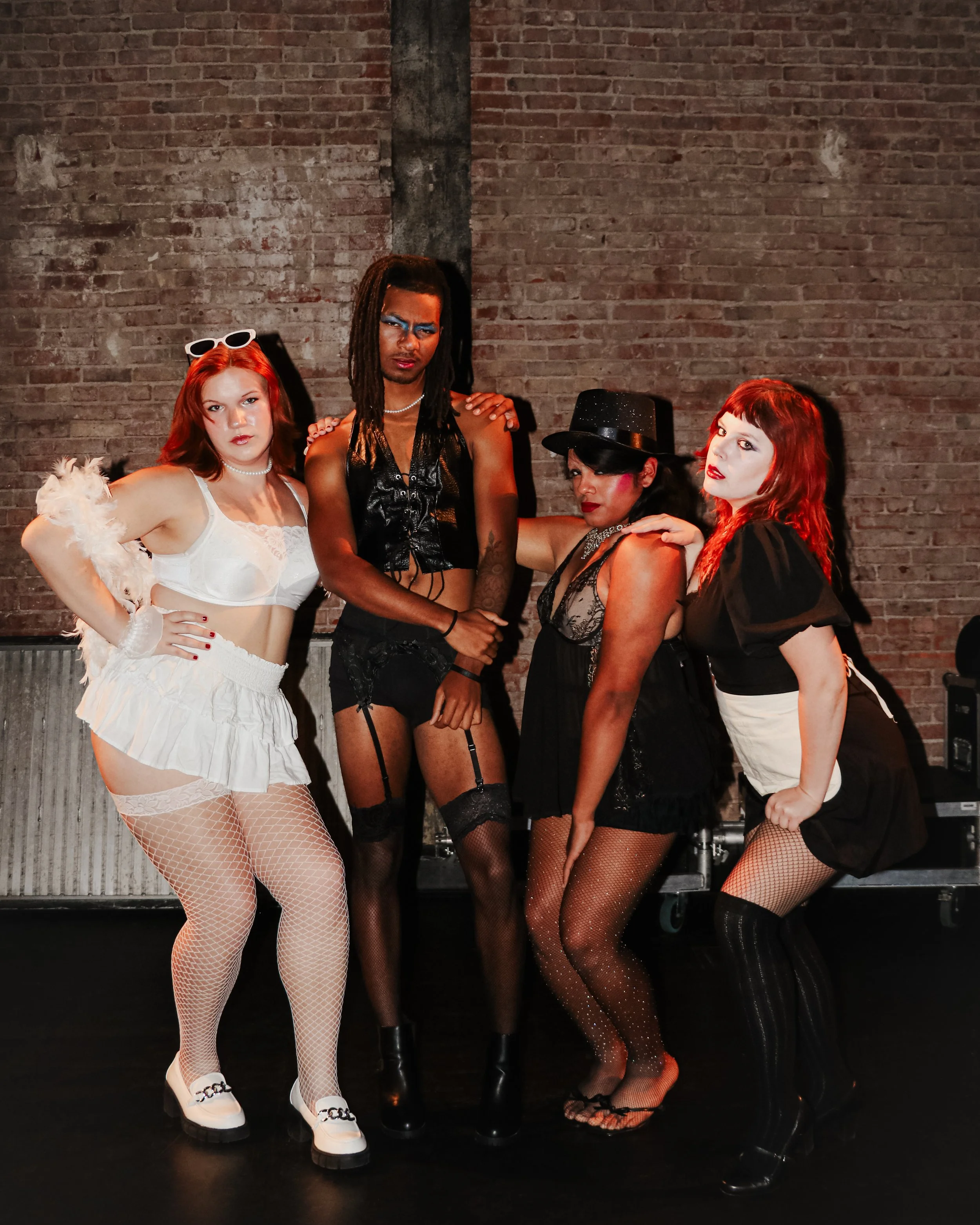
Characters in “The Rocky Horror Show” express themselves with ease. They are vibrantly sexual, unapologetically confident, and charmingly odd. This “free” attitude deeply resonates with fans of “The Rocky Horror Show”. The film and musical embrace open sexuality in a society that often discourages it.
“The Rocky Horror Show” holds a distinct influence on culture–especially in the queer community. The musical debuted in 1973, and the film followed in 1975. “The Rocky Horror Picture Show” initially bombed at the box office. General audiences considered the film too taboo; the media rarely featured transgender individuals, gay characters, polyamorous relationships, and such open displays of sex.
But not all viewers dismissed the campy film.
The desire for safe, fun spaces is felt throughout the queer community. “The Rocky Horror Show” debuted in the 1970s– a decade defined by newfound freedom of expression. The film emerged after the Stonewall riots of the 1960s. On June 28th, 1969 police raided the Stonewall Inn, a bar known for welcoming members of the LGBTQ+ community. Patrons did not succumb to the attack–they bravely fought back. The riots ignited neccessary change throughout the LGBTQ+ community; the community was empowered to fight for their deserved safety.
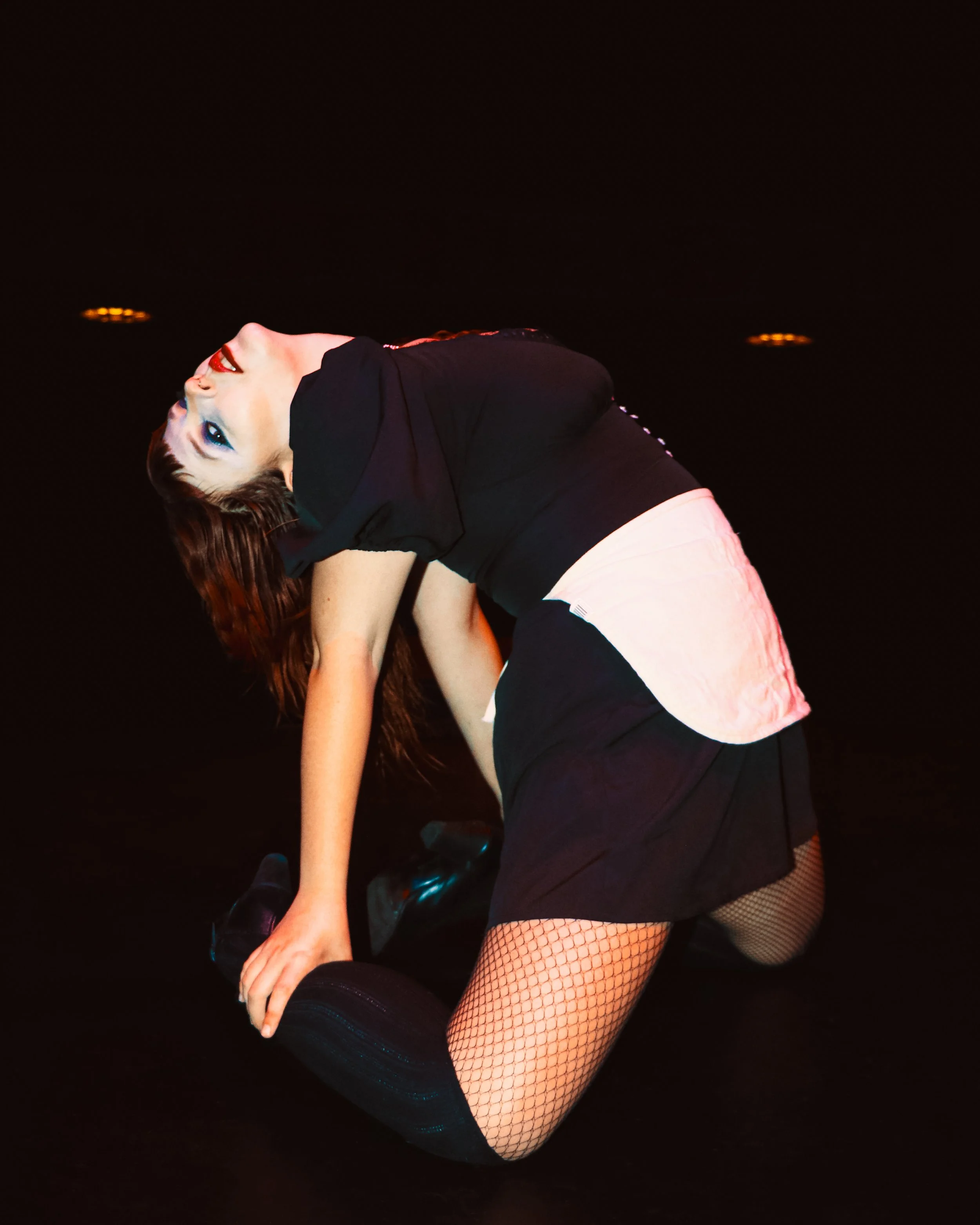
Midnight showings of “The Rocky Horror Show” cultivate safe, accessible spaces for the queer community. Audiences are encouraged to express themselves without fear of judgement or harrassment–a right the queer community is not always afforded. Viewings of “The Rocky Horror Show” foster connections across the community through a shared, safe environment. “The Rocky Horror Show” is typically shown every fall, making it a reliable space for people to return to.
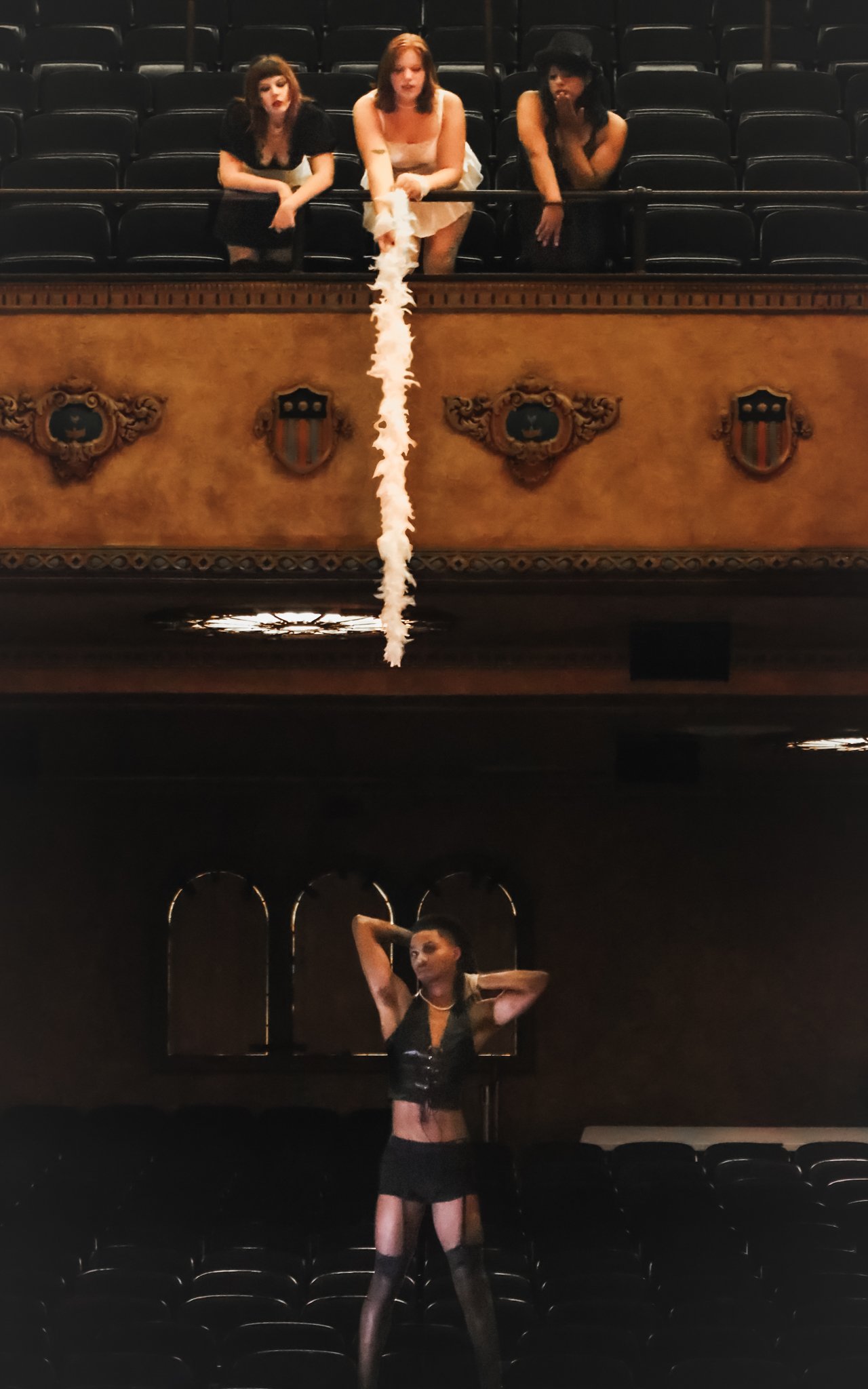
The response to “The Rocky Horror Show” serves as a call to action. Love for “The Rocky Horror Show” slowly spread throughout alternative communities in the ‘70s. People passionately developed clever ways to celebrate “The Rocky Horror Show”: character cosplay, live callouts, and prop usage were all created by imaginative viewers of the film and musical. Rocky Horror traditions are refreshingly expressive.
Fans now celebrate the 50 year old cult-classic story yearly. “The Rocky Horror Picture Show” is the longest running midnight film in history.
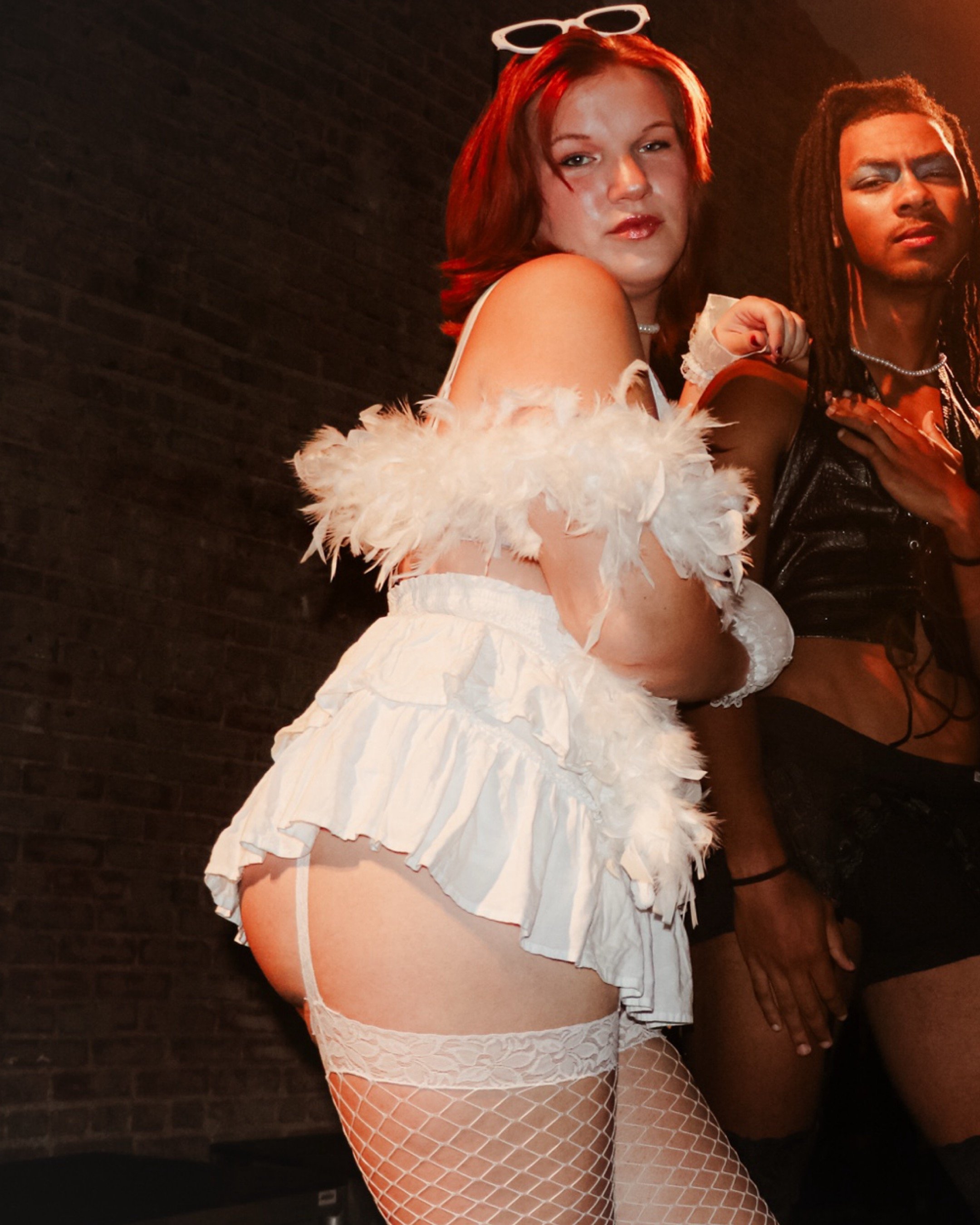
Much of known queer history involves difficult resistance against oppression. Conversations about queer culture often focus on the negative experiences the community endures, but “The Rocky Horror Show’s” success is a unique story about hope, authenticity, and exciting creative expression– the show serves as a piece of queer media that highlights true joy in the LGBTQ+ community.
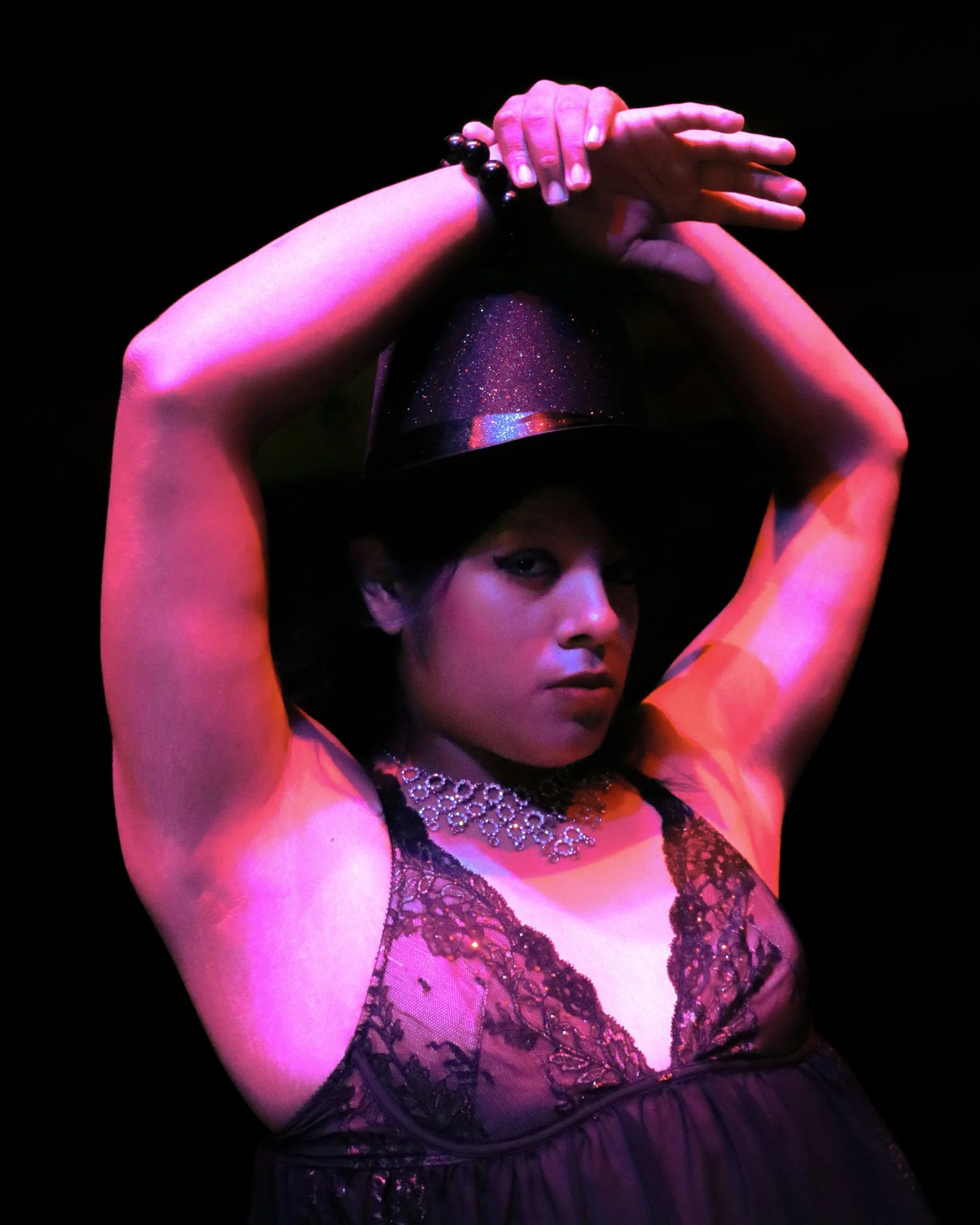
“The Rocky Horror Show” urges people to embrace parts of themselves that common society rejects. Hate will not silence true individuality. So, don't dream it, be it.
“Don’t dream it, be it…”- Dr. Frank-N-Furter
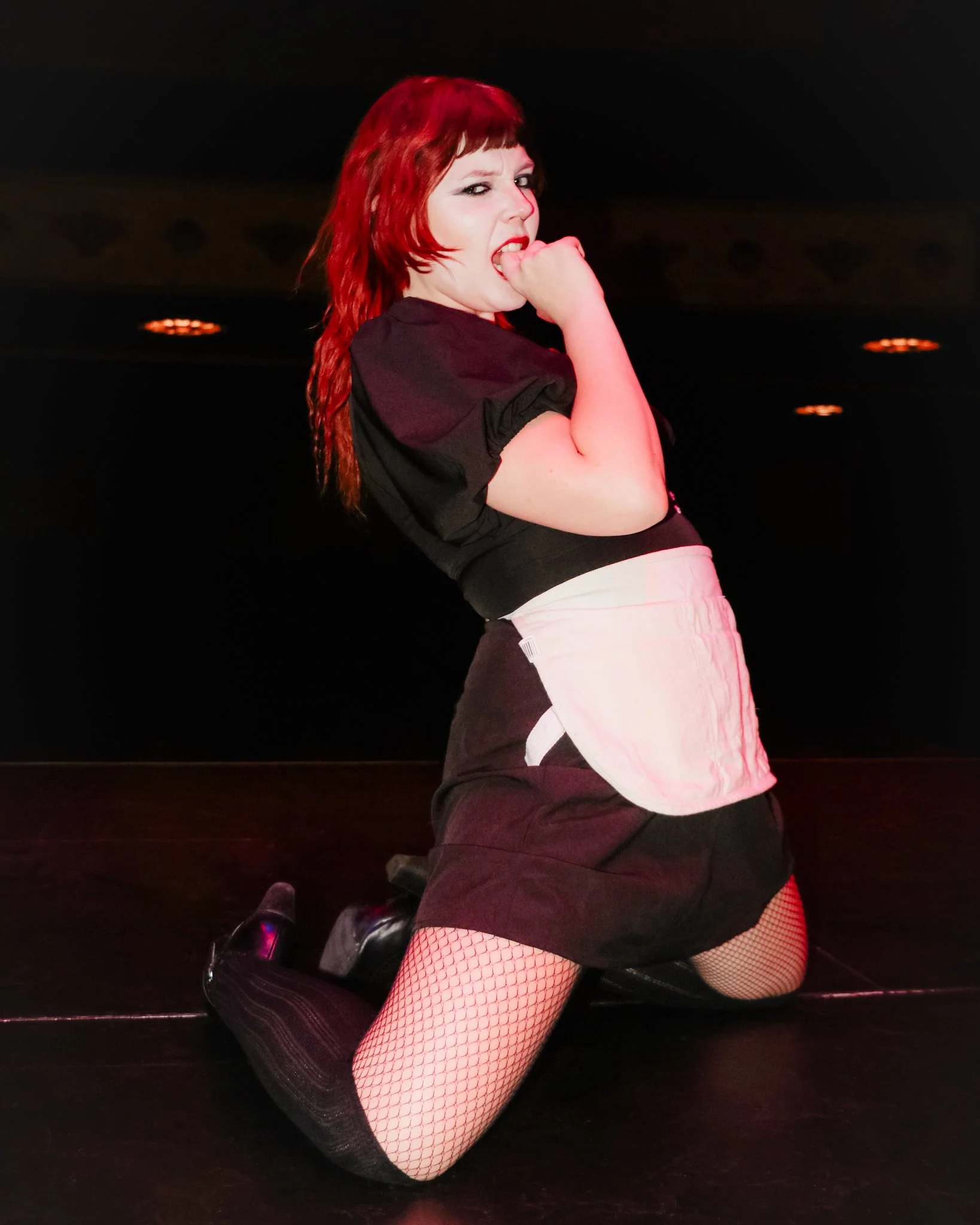
Style Guide for The Rocky Horror Show
Audience members attend “The Rocky Horror Show” in special attire. Fans take pleasure in dressing up as their favorite characters from the film. Campy fashion and character cosplay is a longstanding tradition in the fanbase.
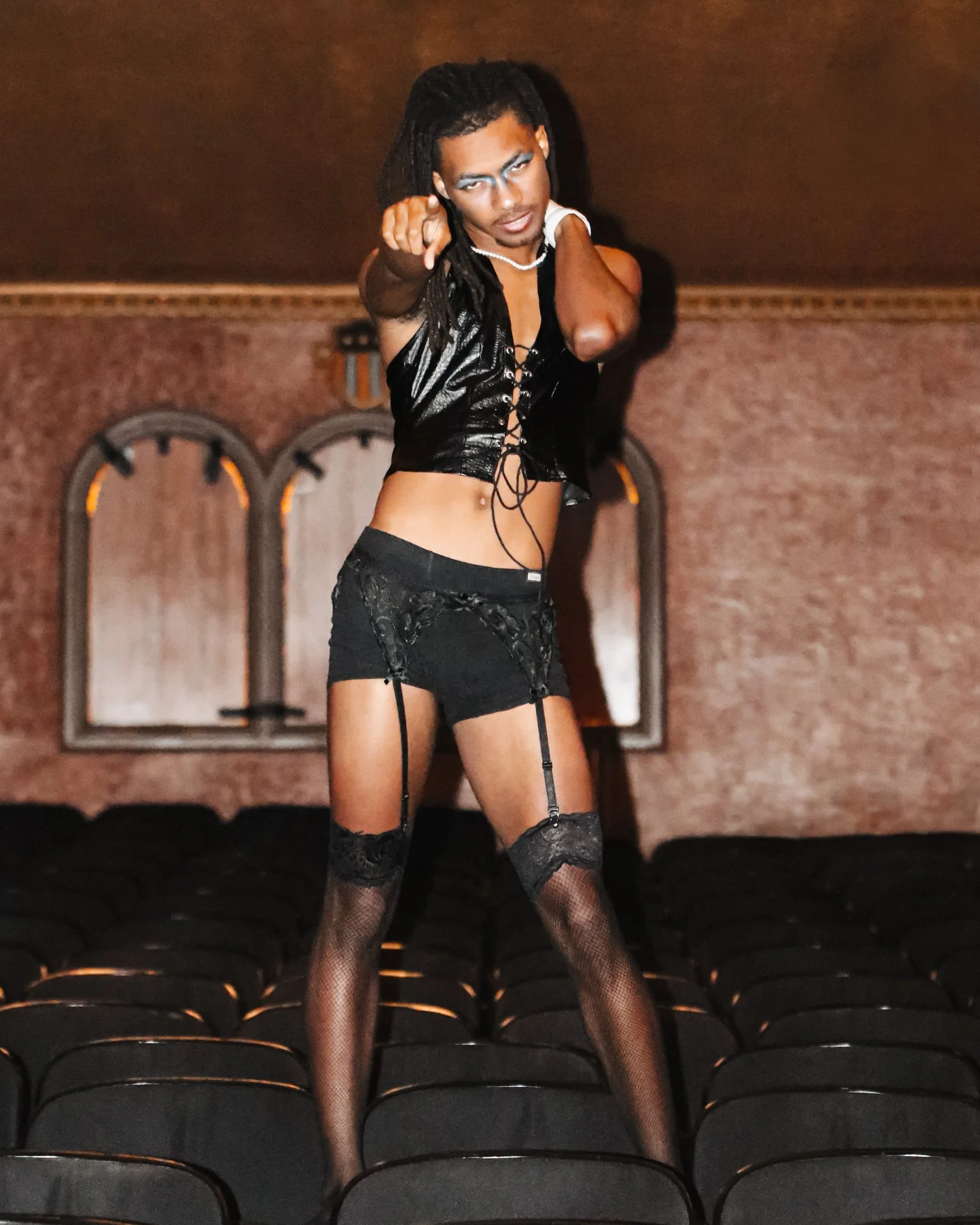
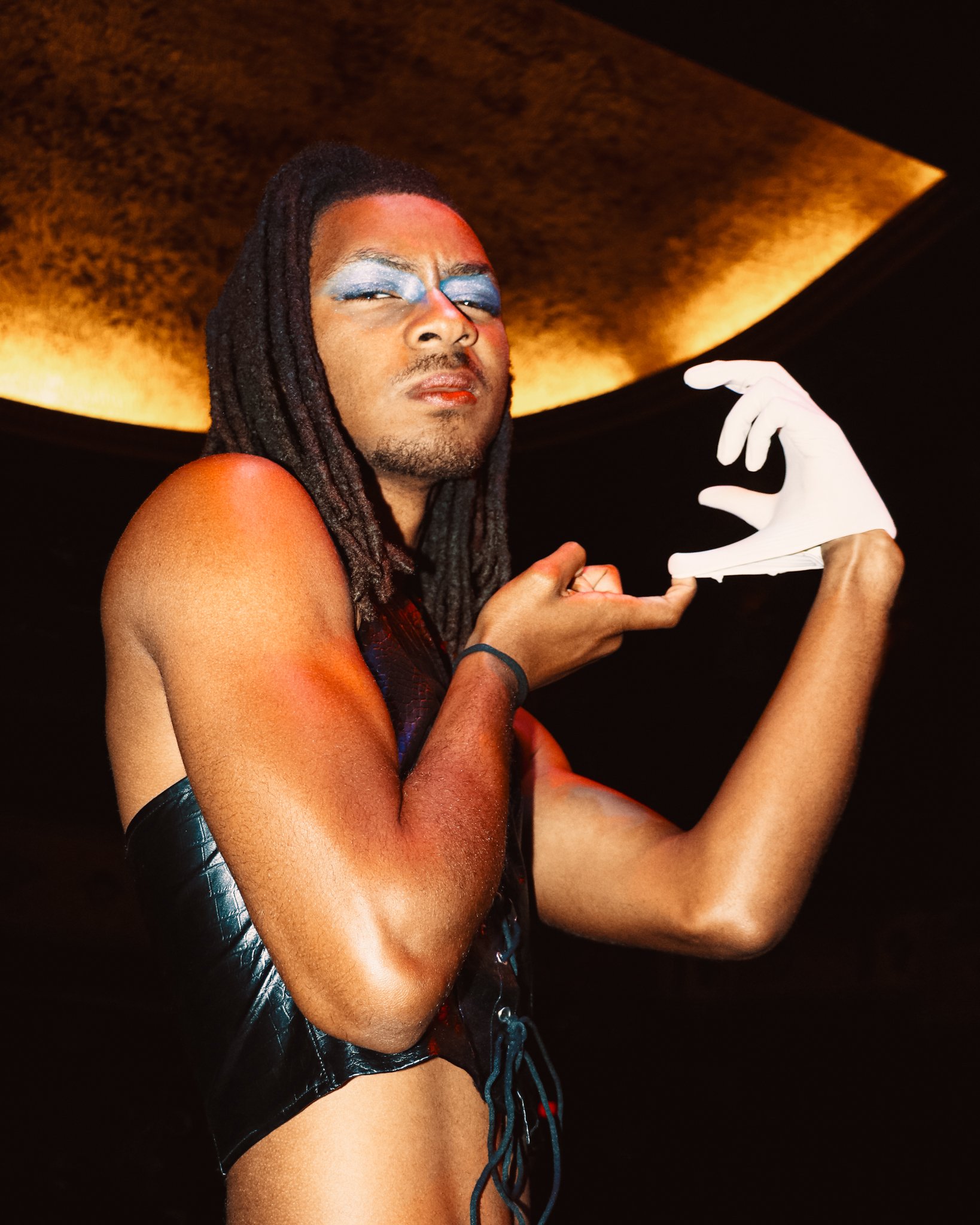
Common elements found in Rocky Horror fashion are fishnets, colorful makeup, feathered boas, pearls, glitter, lace, and leather. Purple and red tones are popular in Rocky Horror styling. No outfit or accessory is too outrageous. Audience members participating in cosplay can be found in tiny maid outfits like Magenta, glittery top hats for Columbia, and wearing Dr. Frank-N-Furter’s iconic pearls. Audience members use fashion as an affirming way to explore their sexuality.
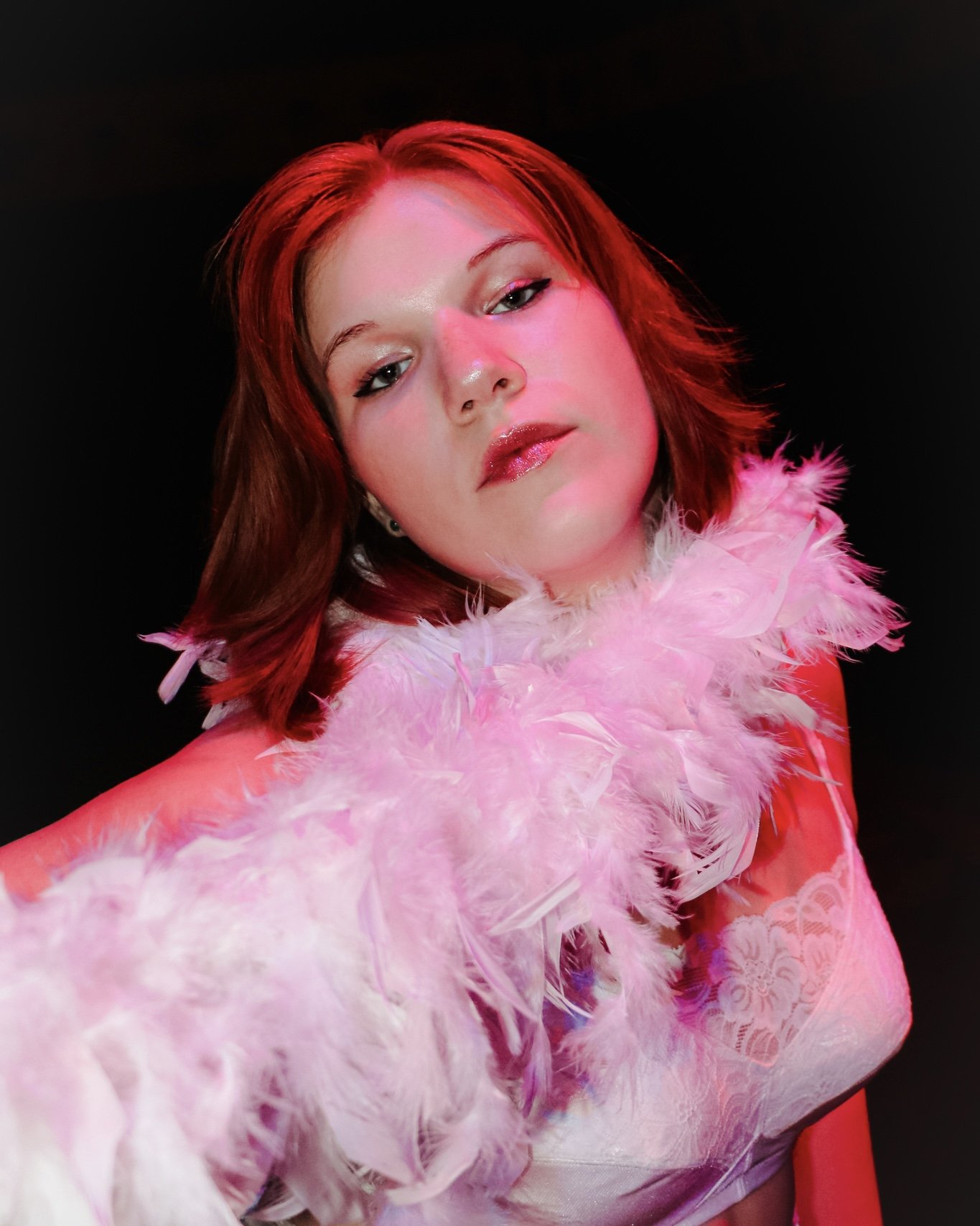
Viewings of “The Rocky Horror Show” are the perfect opportunity for fans to wear the most fabulous, outrageous pieces in their closet.
The Historic Gillioz Theatre screens The Rocky Horror Picture Show 8PM Friday, October 23. For more information, please visit the link below.