
Love and Vulnerability Through the Eyes of The Marías
Creative Direction by Madilyn Dalton
Written by Madilyn Dalton and Jake Moreland
Styled by Mia Klauberg
Makeup by Kait Patton
Modeled by Izzy Guasti, Alia Barker, Mia Klauberg
Photographed by Jenna Brown and I’ron Bell
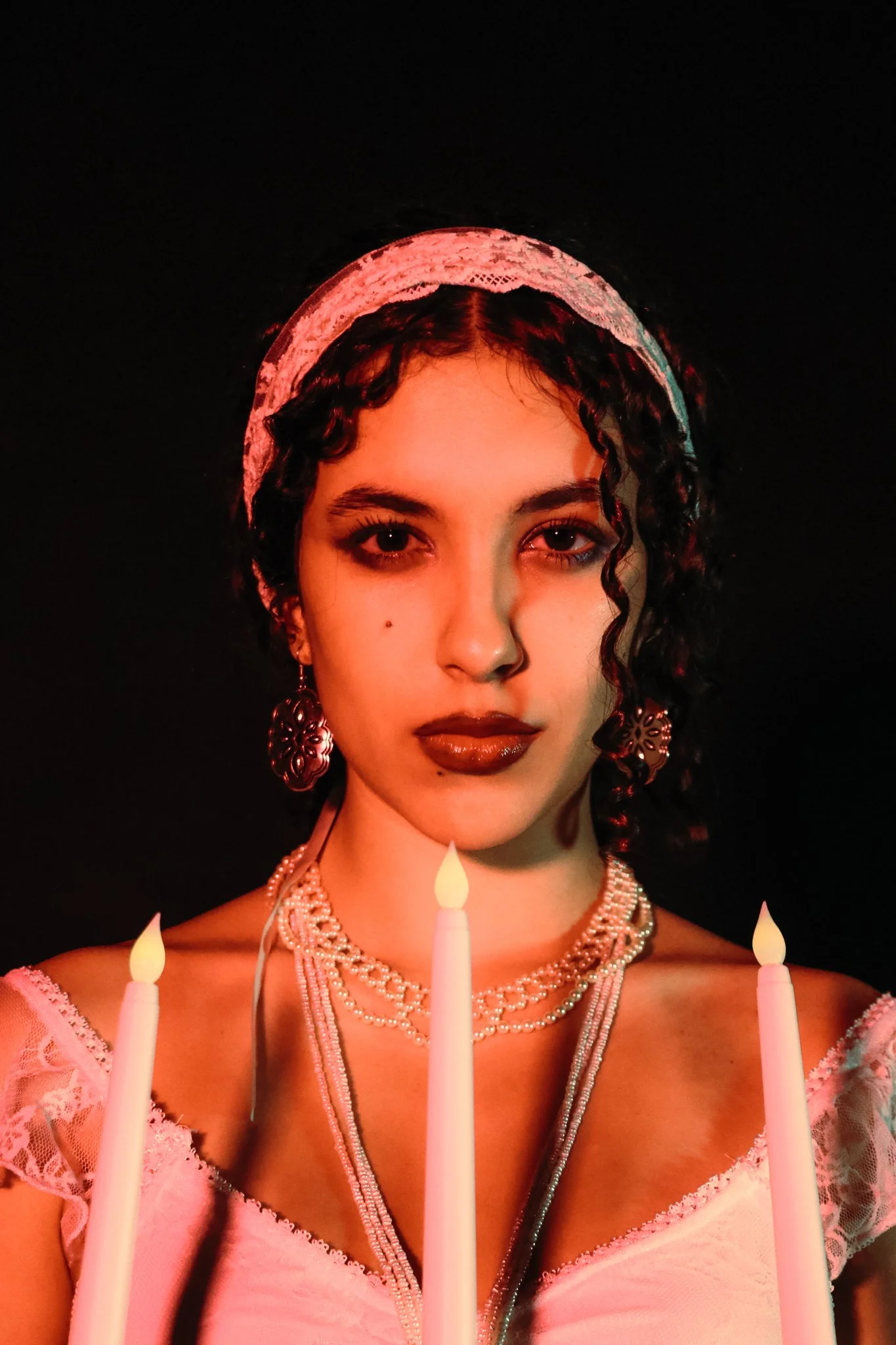


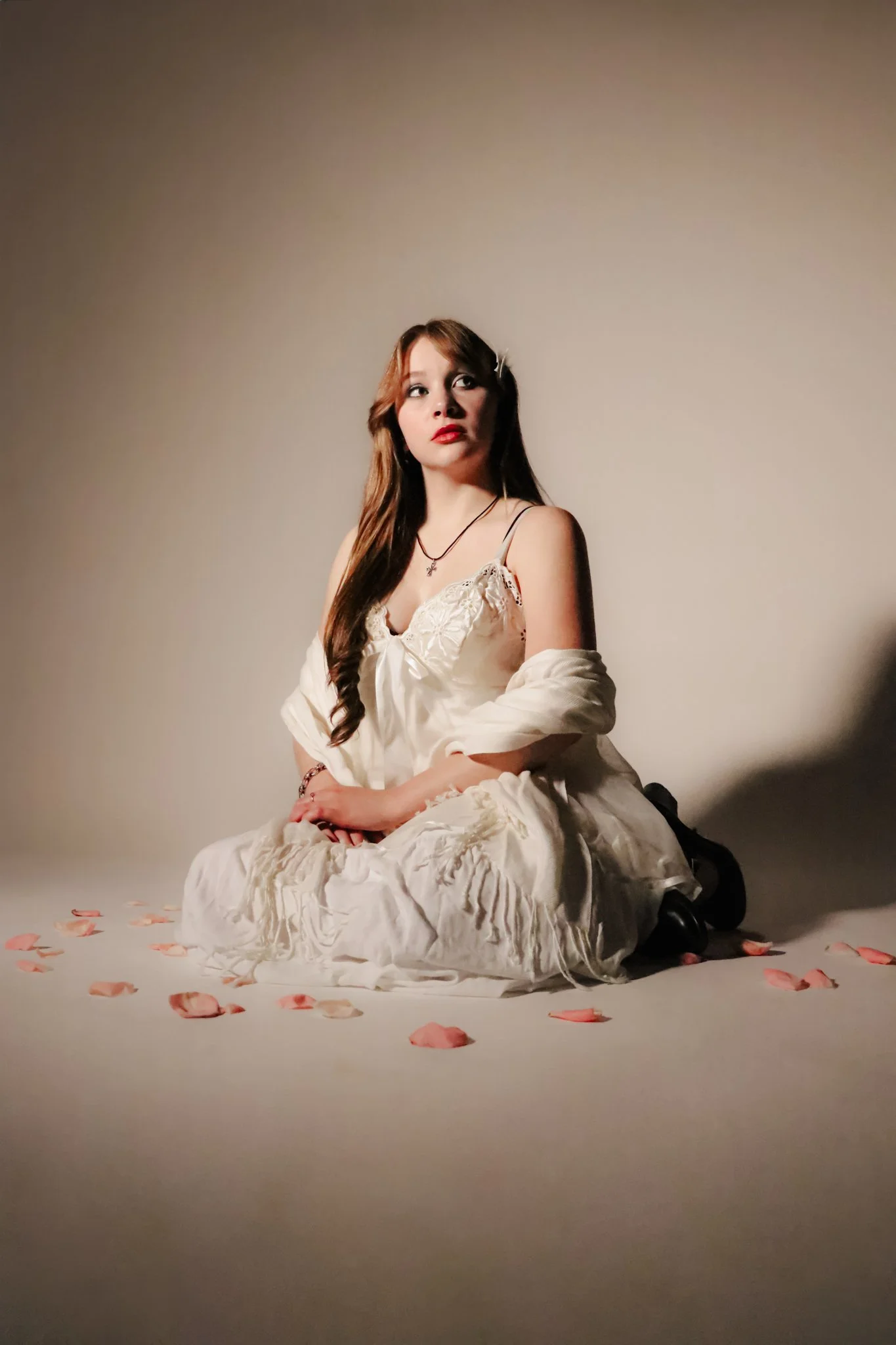



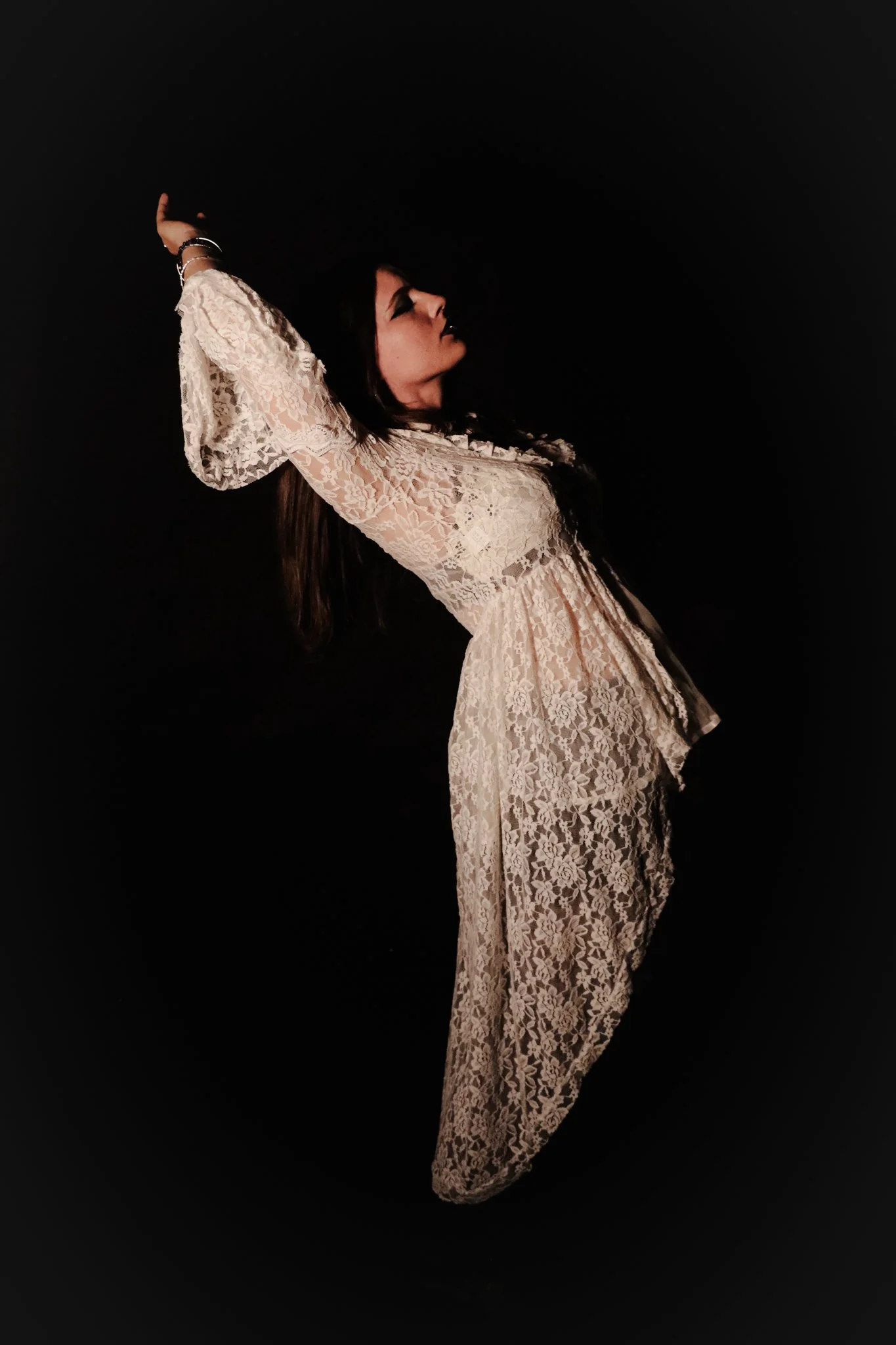
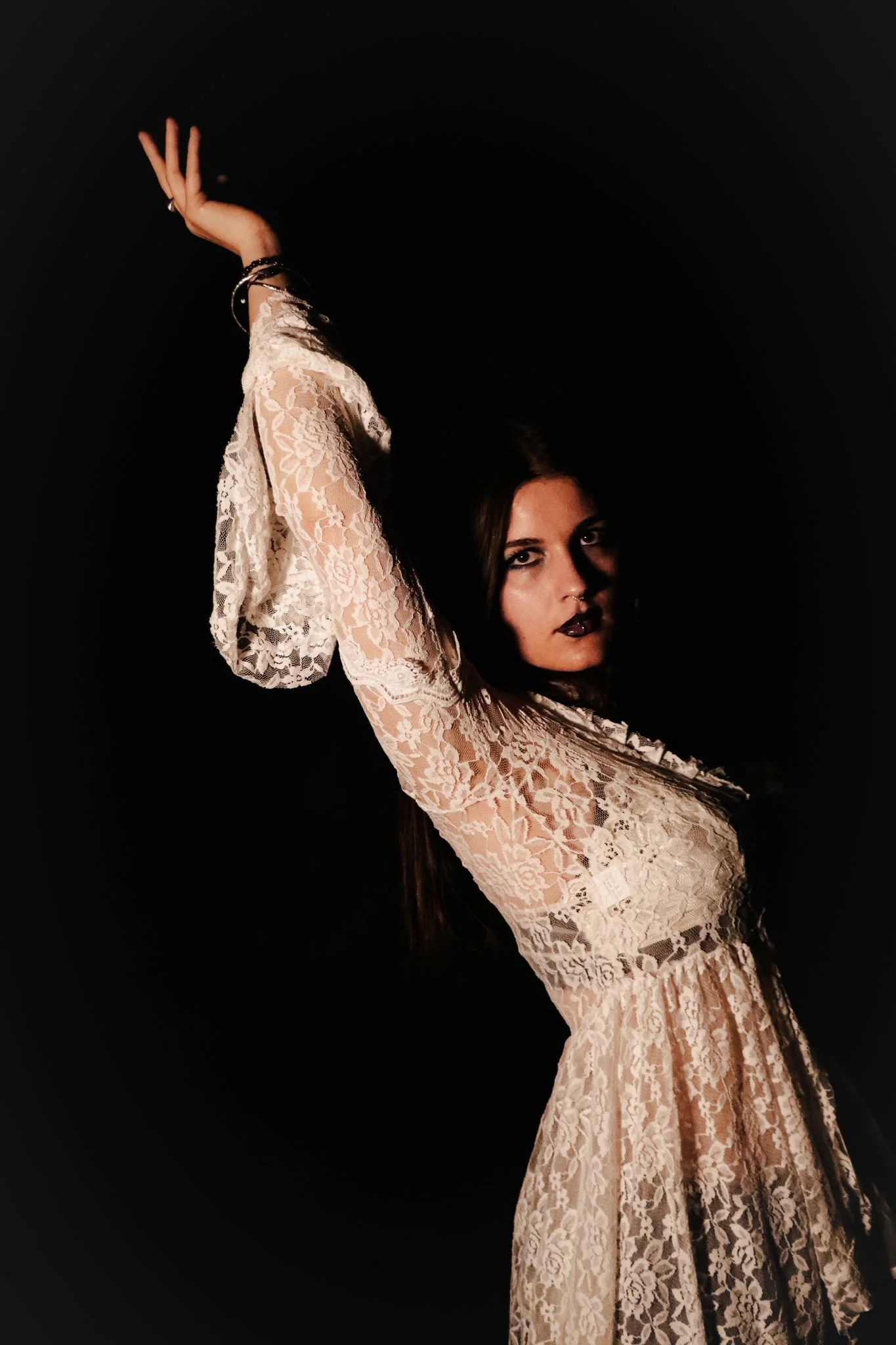

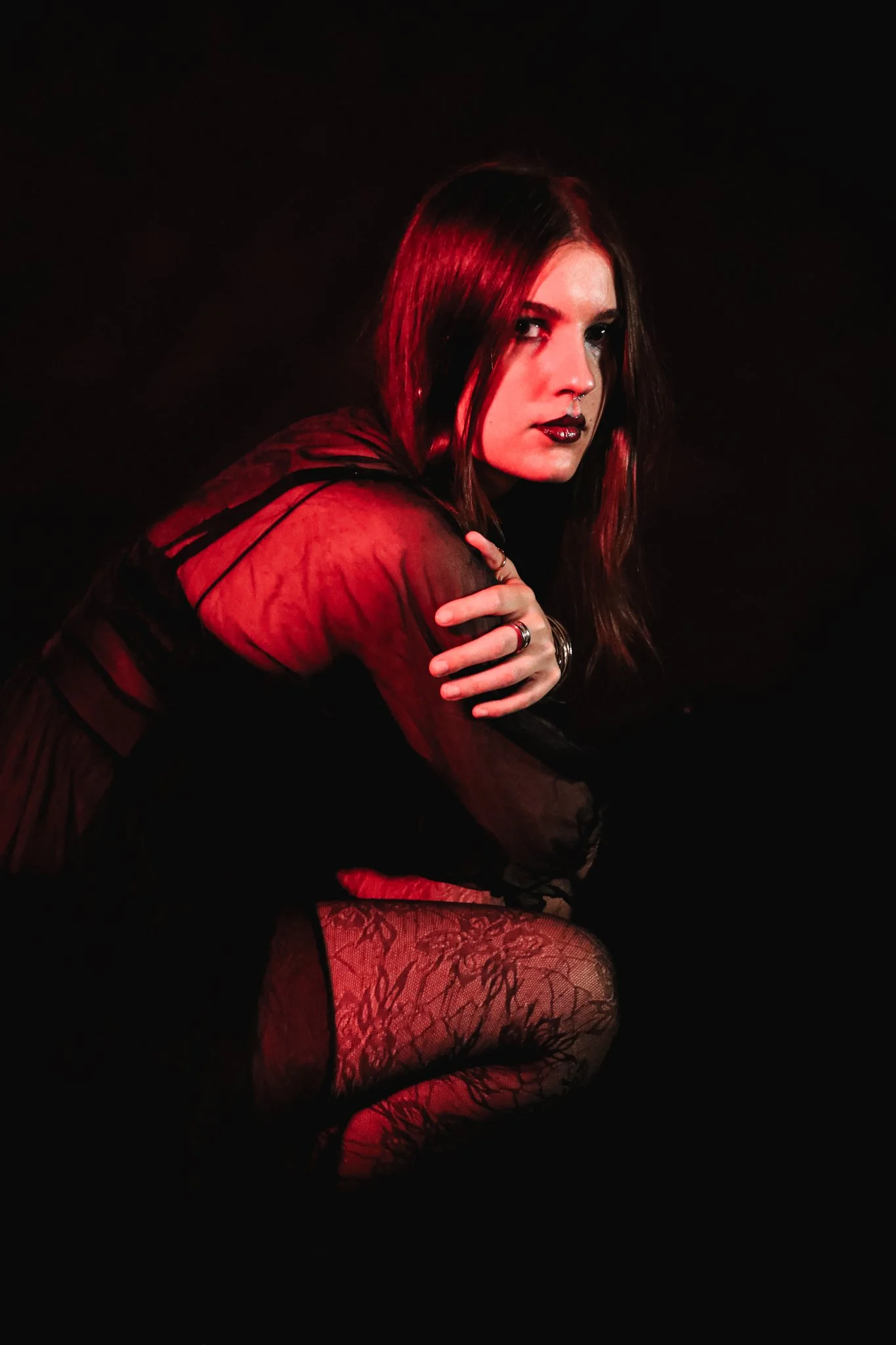
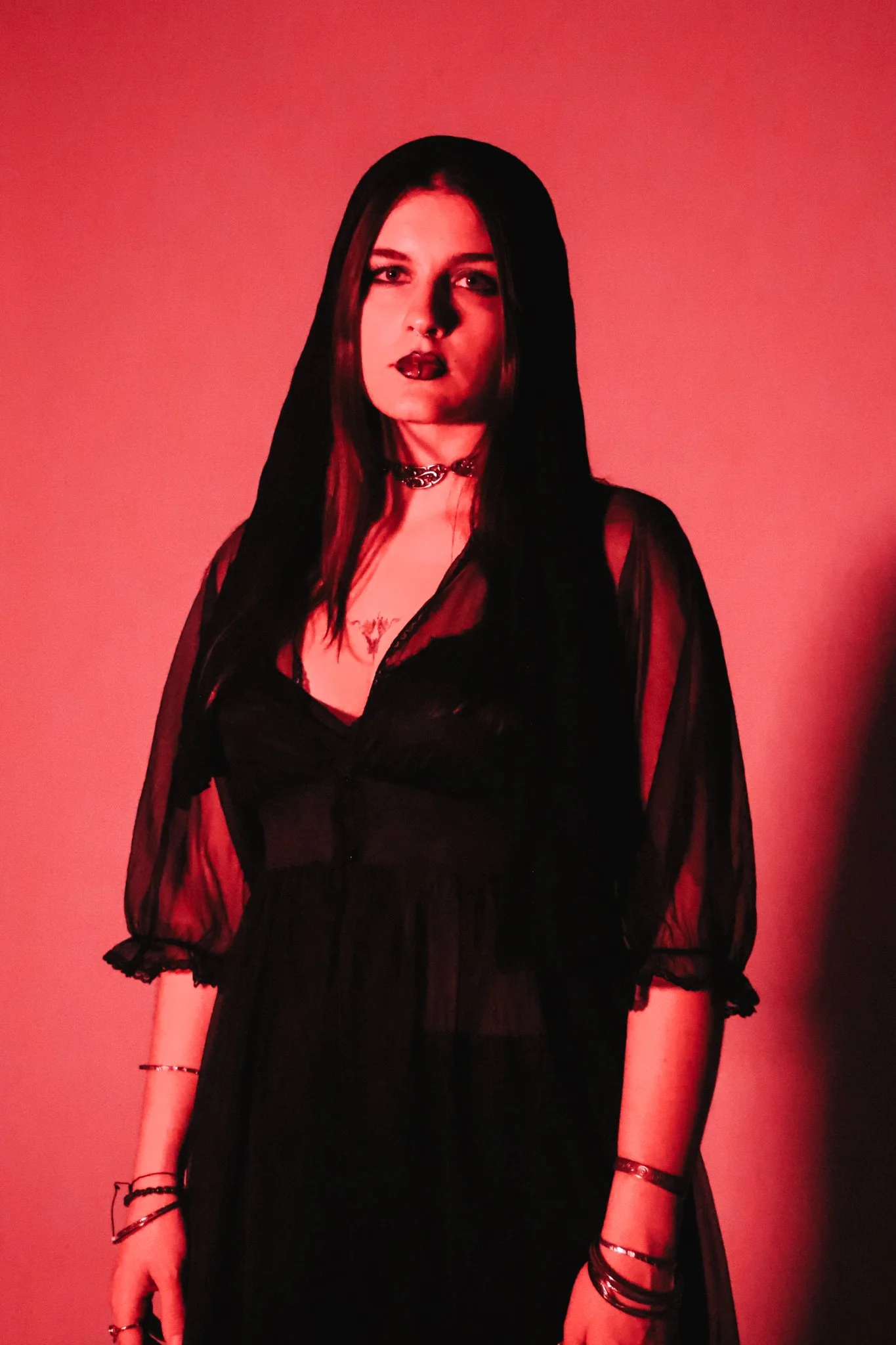


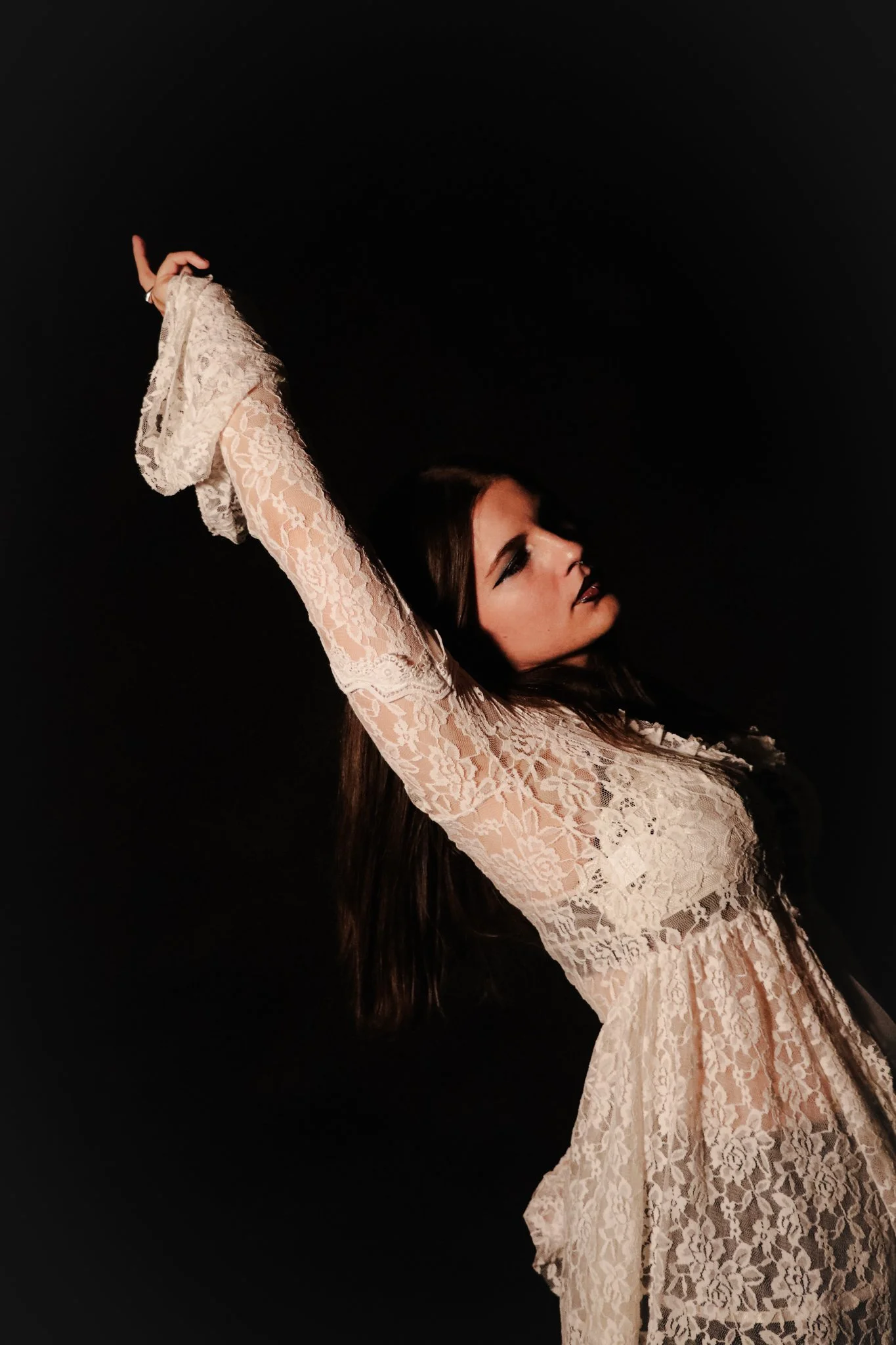






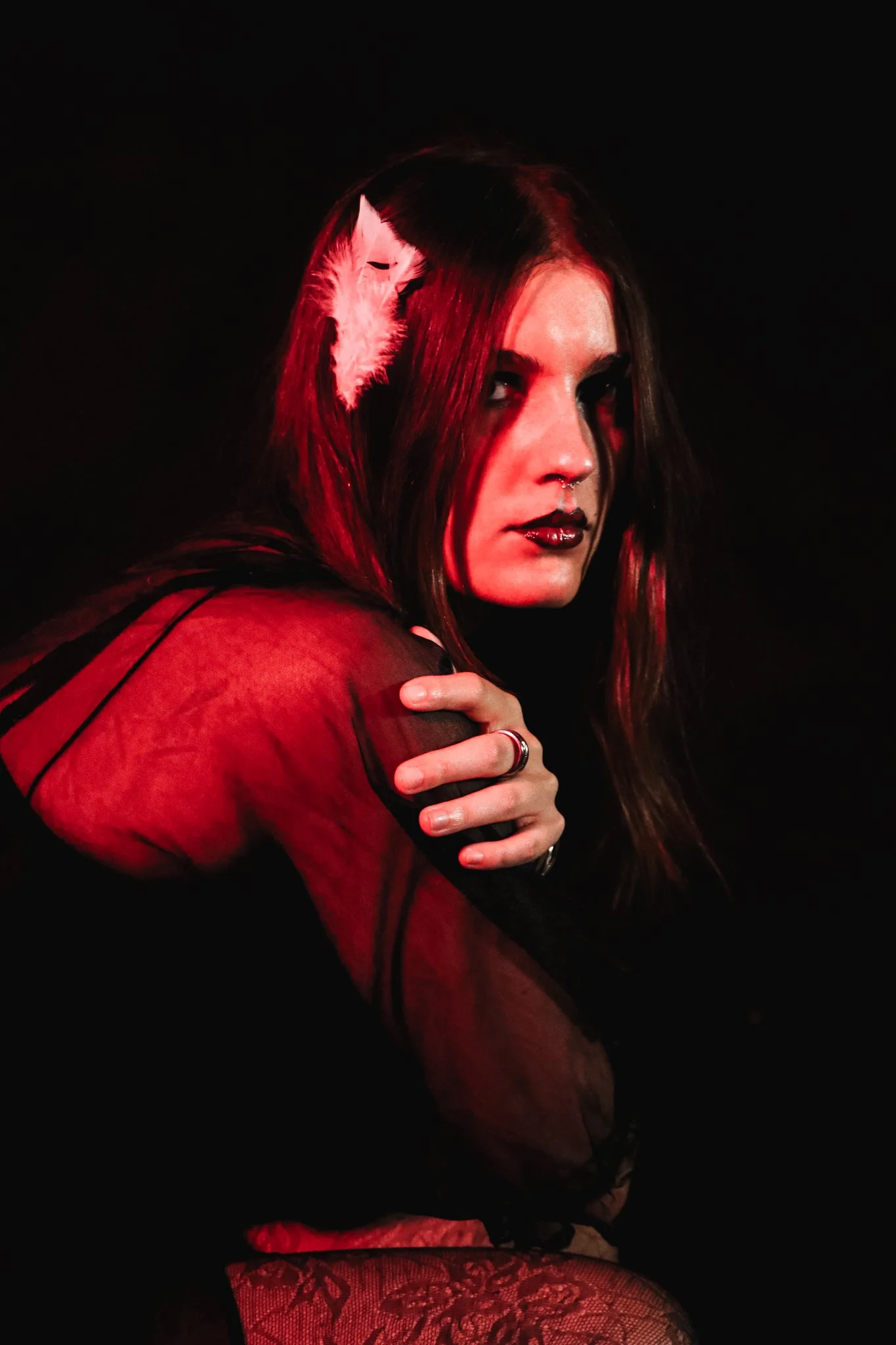
The Marías don’t view love as a simple point A-to-B destination; they see love as a bittersweet journey centered on self-discovery, emotional growth, and the idea that heartbreak can coexist with beauty. While their style captivates our ears, their artistry captures our hearts; as their lyrics explore young love, desire, vulnerability, transformation, heartbreak, longing, and unrequited love in such a soft, raw, compelling way that embraces difficult emotions. Through their music, The Marías show us that vulnerability and heartbreak are not forms of weakness; they're catalysts for discovering more about ourselves.

The Marías’ story began when producer and drummer, Josh Conway, met lead singer and songwriter, María Zardoya, while she was performing at a venue in Los Angeles, California. Their love story began very quickly after they met, and they started writing music and developing their artistry together. Shortly after they began dating, the pair recruited their close friends Edward James (pianist) and Jesse Perlman (guitarist) to write music with them, and from there, The Marías were born.

The band had a very successful uprising all the way through their debut album, CINEMA. However, at the start of recording their second full-length album, Submarine, Zardoya and Conway ended their 8-year relationship. This breakup did not go without a toll on the band: they took a six-month break, during which they went to therapy, traveled, and spent time with loved ones. When asked about this era of separation and heartbreak within the band, Zardoya tells GRAMMY.com, “Even though you lose yourself in every heartbreak, I think that is an opportunity to gain even more.” Not only did Zardoya gain more personally from this experience, the band did as well; the result of this breakup and dynamic shift within the band led to a vulnerable, raw, and authentic album (Submarine) that tells the stories of grief, loneliness, and transformation. Zardoya goes on to say,“I saw so much symbolism in using water to represent this going inward, this introspective journey that we were all on.” In addition to Submarine, The Marías have since put out three singles, including “No One Noticed” (also featured on Submarine), “Nobody New,” and “Back to Me,” each of them leading on charts around the world upon release.
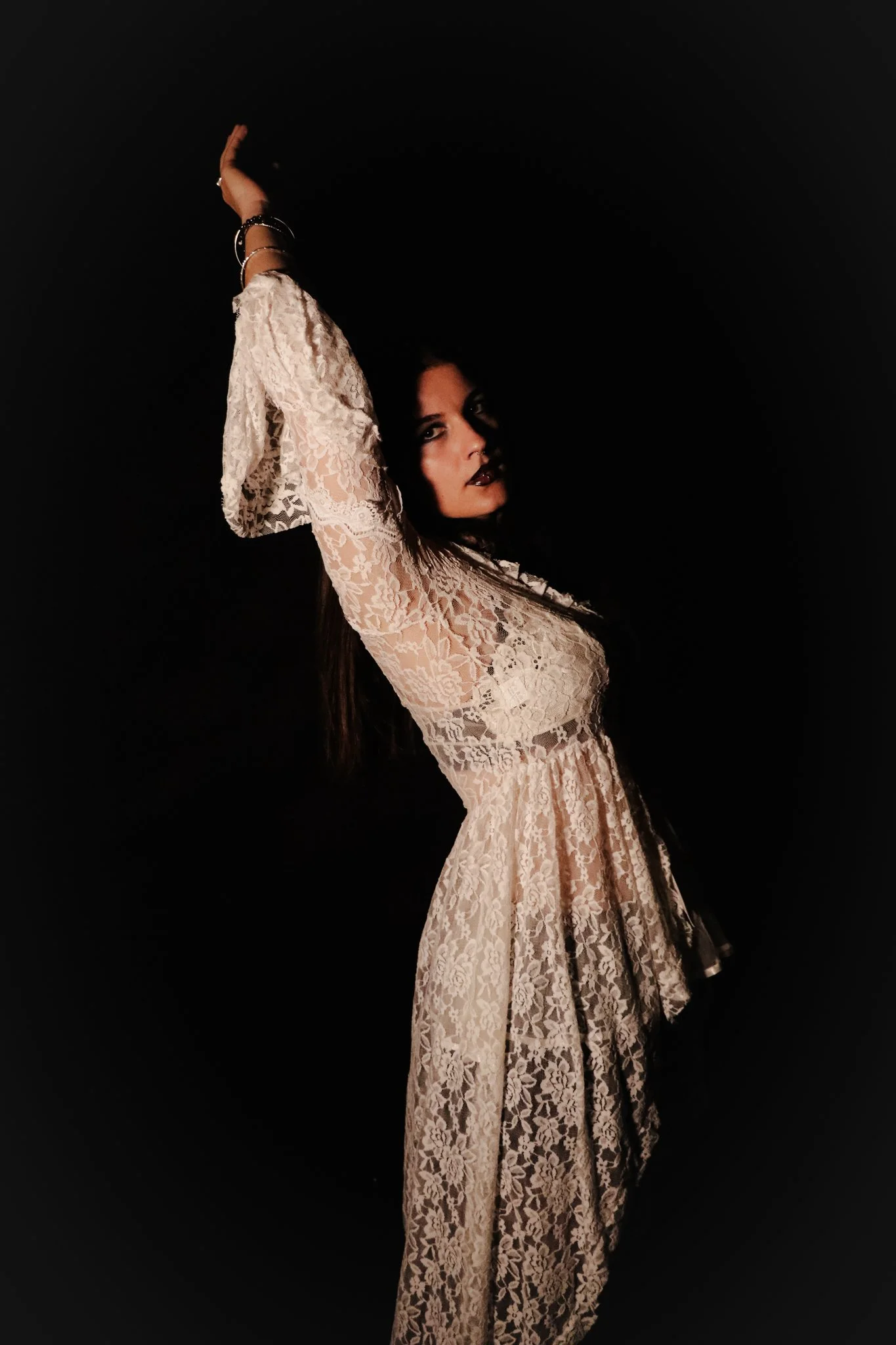
One of the stand-out songs from The Marías’ Submarine project is “Sienna.” Their song “Sienna” explores heartbreak through the lens of grief over a future that never happened; it explores various themes of loss, longing, and eventual acceptance. The song begins with a hollow drone that submerges you into the depths of the ocean of heartbreak and longing, as Zardoya’s lyrics swallow over you: “Please tell me not to go / We’ve been here long before / I live under your eyelids / I’ll always be yours.” The song begins with pleading to hold on, even though the writing on the wall says that it’s too late. As the song goes on, Zardoya goes on to talk with nostalgia about the memories of the love: “I’ll lay on your rooftop in the freezing cold / And I’ll watch the sunset wearing all your clothes / I can feel you with me like I did before / Like when I sang you a love song by Norah Jones.” The song progresses through the feelings of that transition period between denial and acceptance; even after a lover is separated from your life, they stay with you. Whether you love them or hate them in the moment, you’re constantly reminded of the times that made you fall for them in the first place. This part of the song tells us that we shouldn’t be ashamed of going through the motions of loss; being vulnerable in the form of missing someone isn’t something to be embarrassed about. The Marías move us to own our feelings and embrace those feelings of raw longing and unrequited love. Finally, as the song moves through the choruses and the outro, Zardoya’s tender and haunting melody tells the story of Sienna, a child between her and Josh Conway who will never exist, describing the traits of the two that the child would have shared. By allowing herself to embrace the loss of this future, she is able to heal towards acceptance, as she closes the song with “See her face in the forest, then it disappears.” As she sings the last word, the music cuts out abruptly in a swell, leaving the listener with about ten seconds of silence, replicating the feeling of sitting with yourself uncomfortably after a heartbreak, inviting the listener to lean into and embrace the emptiness and longing that eventually lead to transformation.
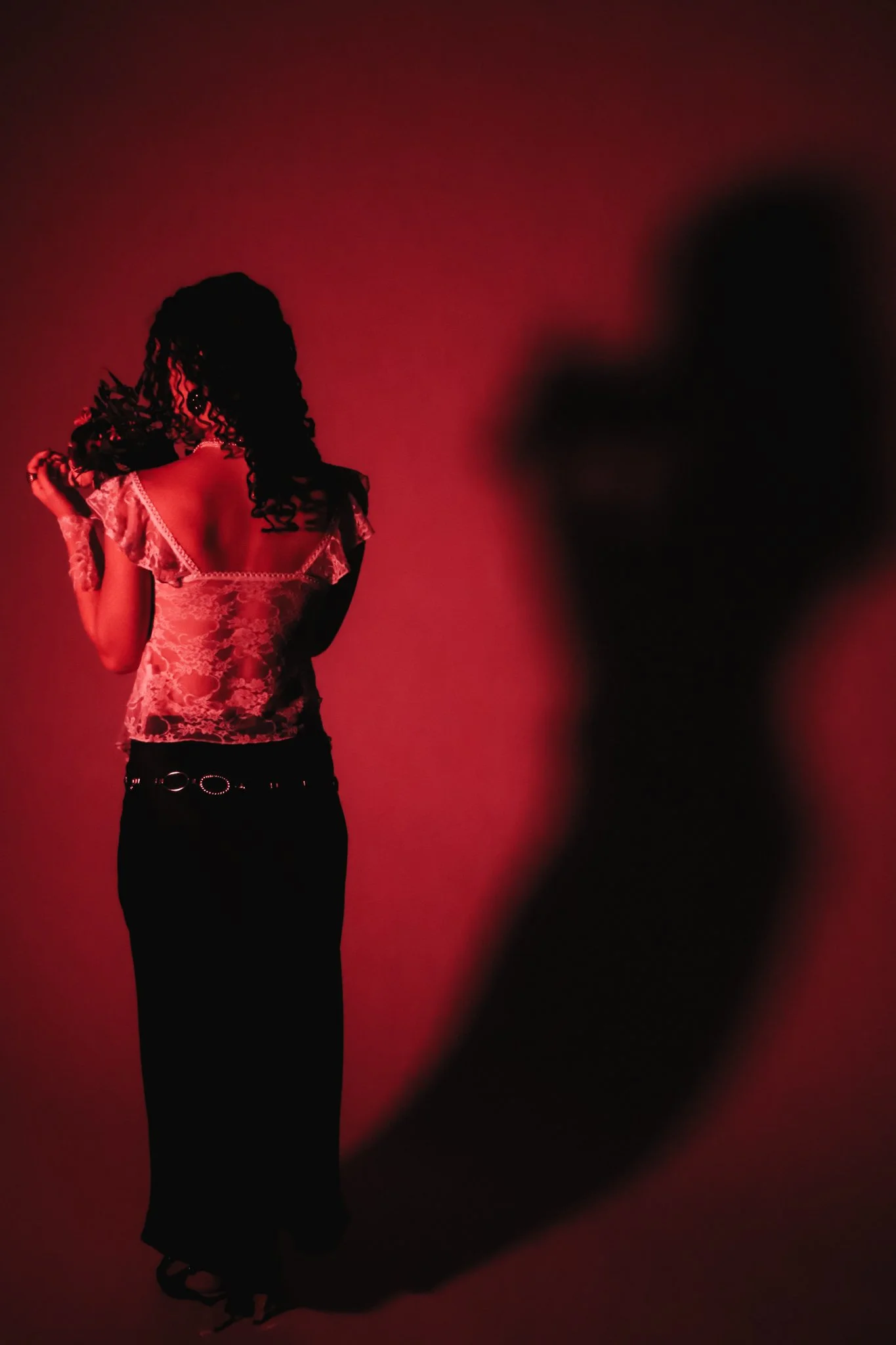
Another of their songs is the moody, atmospheric psychedelic-pop track “Back to Me.” As “Sienna” explored simply just the loss of a partner, “Back to Me” takes it a step further by exploring the complicated and oftentimes contradictory feelings of unresolved love, coming out only a little less than a year after the release of Submarine. Specifically, “Back to Me” focuses on the fresh pain and longing after seeing an ex not only leave you but also thrive with someone new. The song opens with the chant-like vocals, “Promise I’m changing / Back from the dark / But if I would see you / I’d fall apart.” In this intro, Zardoya is referencing the period of transformation after a breakup, the time when you are forced to be alone and learn more about yourself in the process; however, she is also exploring the raw, contradictory feelings of wanting to return to someone, even though she truly knows it is not the right choice in the end. Rather than shaming herself for feeling this way about a past lover, she explores her emotions, allowing her to deepen her transformation. Throughout the dreamy echoes of this song, Zardoya highlights the irrational need to return to comfort, even if it is hopeless; at the end of the song, she pleads, “I’ll be all that you want / I’ll be all that you need / I’m outside your apartment / Baby, come back to me.” The melancholy tone of these lyrics emphasizes that Zardoya knows this final plea is desperate and ineffective, but she pleads regardless, allowing her emotions of regret and jealousy to take center stage. A point of interest in this song is the development of the lyrics: as the song progresses, the lyrics change from “Is she all that you want / Is she all that you need” to “I’ll be all that you want / I’ll be all that you need,” emphasizing those feelings of jealousy and desperation. Another interesting feature of this song is when Zardoya sings, “Meet me in Mountak.” This line references the movie “Eternal Sunshine of the Spotless Mind,” which explores painful memories following an intense breakup. By referencing this movie, Zardoya further executes her sentiment that being vulnerable to suffering is a gift, and that a life lived in ignorance of one’s painful memories is a meaningless life; it is pain that truly shapes who we are and who we become, developing us into a version of ourselves we never thought possible. We are toughened by the hurt, but made wiser and more compassionate by our experiences and the grace and love for ourselves and our emotions.

Finally, arguably their most well-known song, “No One Noticed,” touches on introspection, specifically regarding unrequited love. In the song, Zardoya begs for understanding and visibility from her partner, but falls short: “Maybe I / Lost my mind / No one noticed” as well as “All alone / May have lost it / I have lost it.” Zardoya takes the listener on an internal inspection through delicate, dreamlike vocals, recognizing and validating what romantic turmoil has done to her. What really sticks out in this song lyrically is the complexity of the chorus: “Come on, don’t leave me, it can’t be that easy, babe / If you believe me, I guess I’ll get on a plane / Fly to your city, excited to see your face / Hold me, console, me, and then I’ll leave without a trace.” In her desperation, Zardoya offers to make a grand gesture by spontaneously traveling to her lover, but her action is met with the contradiction of trying to match her partner's indifference and unconcern, leaving room for the listener to interpret the difficult balance of unmatched or unrequited love. Zardoya is begging to be seen, but knows deep down that she won’t be, therefore deciding that she would rather be in the presence of her lover unseen rather than lose her partner completely. In an interview with Genius, Zardoya describes herself as a romantic, even comparing herself to Noah from “The Notebook,” saying, “I will learn how to build you a house if I love you enough.” Overall, “No One Noticed” approaches raw, unrequited love in a beautiful, melancholy way, allowing the listener to relate and feel comforted by affirmations of a possibly similar experience, ultimately embracing those fine-line feelings of desire and desperation and fostering self-development.

Like all music, The Marías tells us a story: a story about how they approach love and vulnerability, and the lessons they have learned through their personal trials of love within their complex dynamic. They show us that pain, and all the accompanying feelings of love, are something we should embrace, for they allow us to understand ourselves more deeply; vulnerability isn’t something we should be embarrassed about, as it is essential for us to grow and allow ourselves to be seen. Through their personal story, they also present to us an example that by fully leaning into these feelings and having a creative outlook, we can face our emotions and reach a point of understanding and connection, even if we have lost that kind of relationship, allowing us to further enrich our lives by opening up new opportunities through our development of ourselves and our relationships.