Performative Masculinity: Harmless Trend or Deterrent of Expression?
Written by: Riley Talbert
Photography by: Alexandria Graham
Styling by: Amelie Carter
Modeled by: Cade Johnson, Cody Brennecke, and Dani Harris

If you are a regular patron of social media, you are likely familiar with the concept of the “aesthetic”: a style descriptor often used to categorize hyper-specific genres of fashion and lifestyle. Aesthetic labels describing the chill, messenger bag-toting “downtown girl” and muscle-tanked “gym bro” have been floating around the internet for years now—among others—and aid in defining one’s personal style. One of the most recent culturally prevalent aesthetics also coincides with a new character archetype known as the “performative male,” or, more broadly, “performative masculinity.”

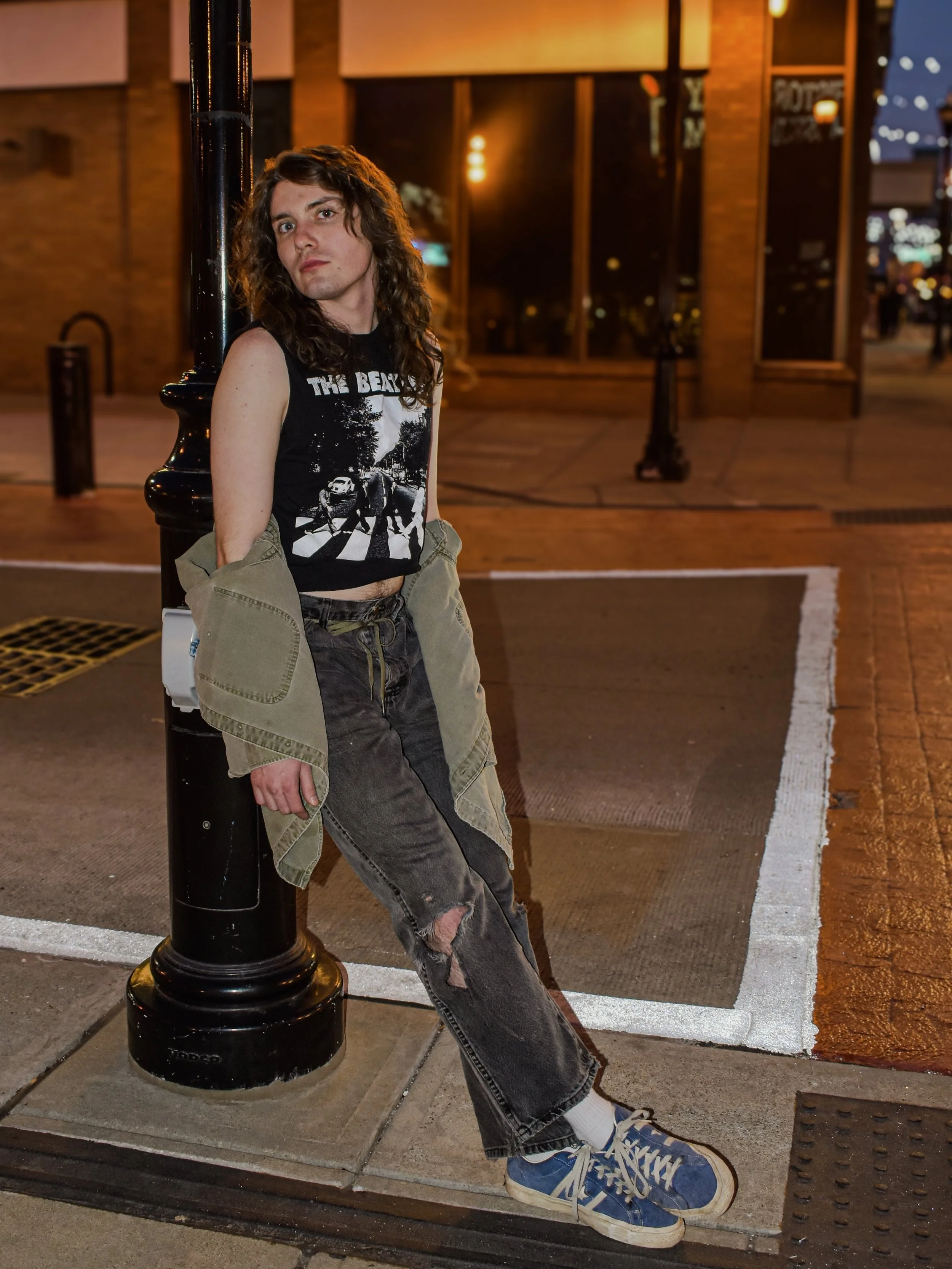
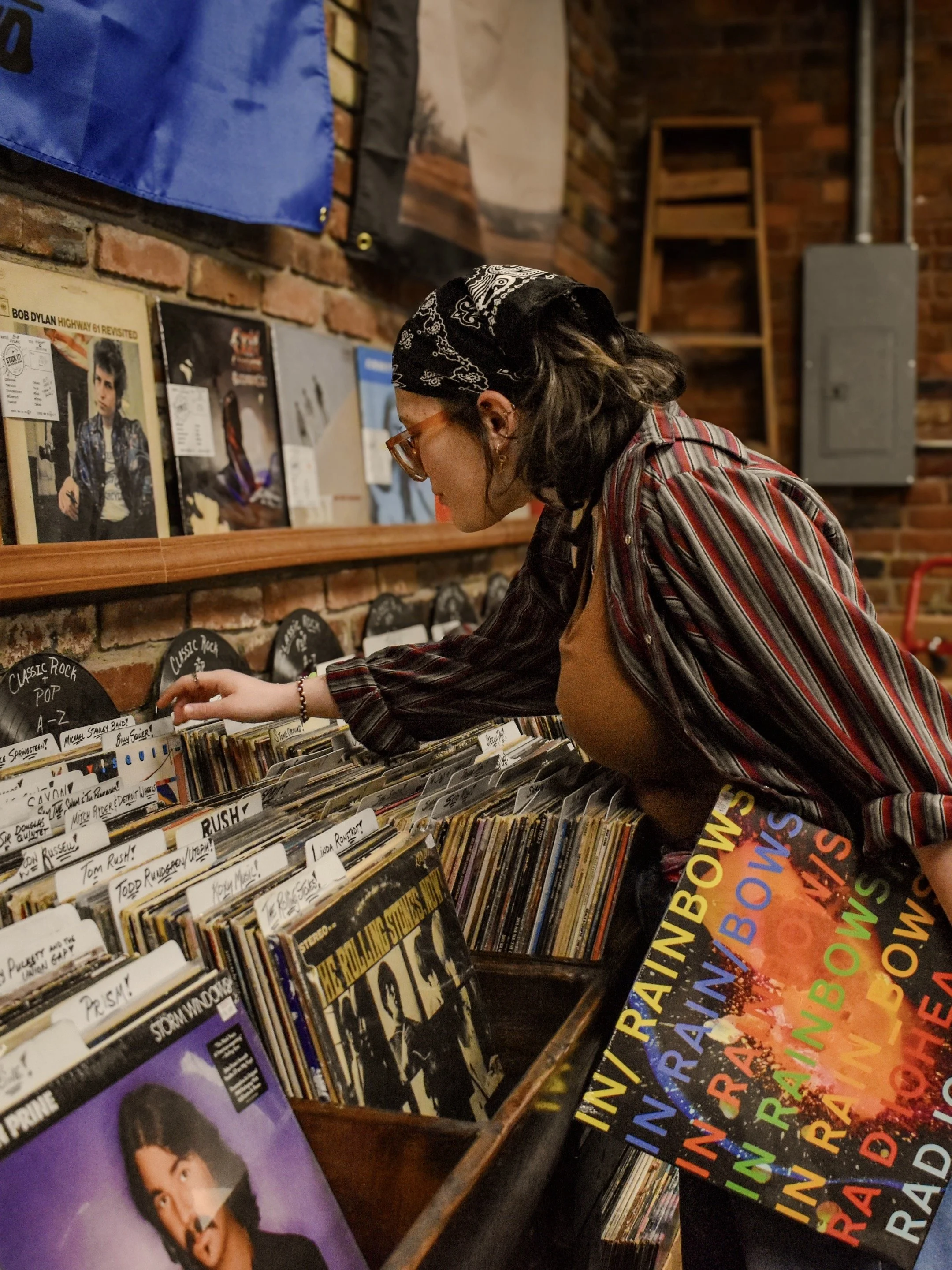
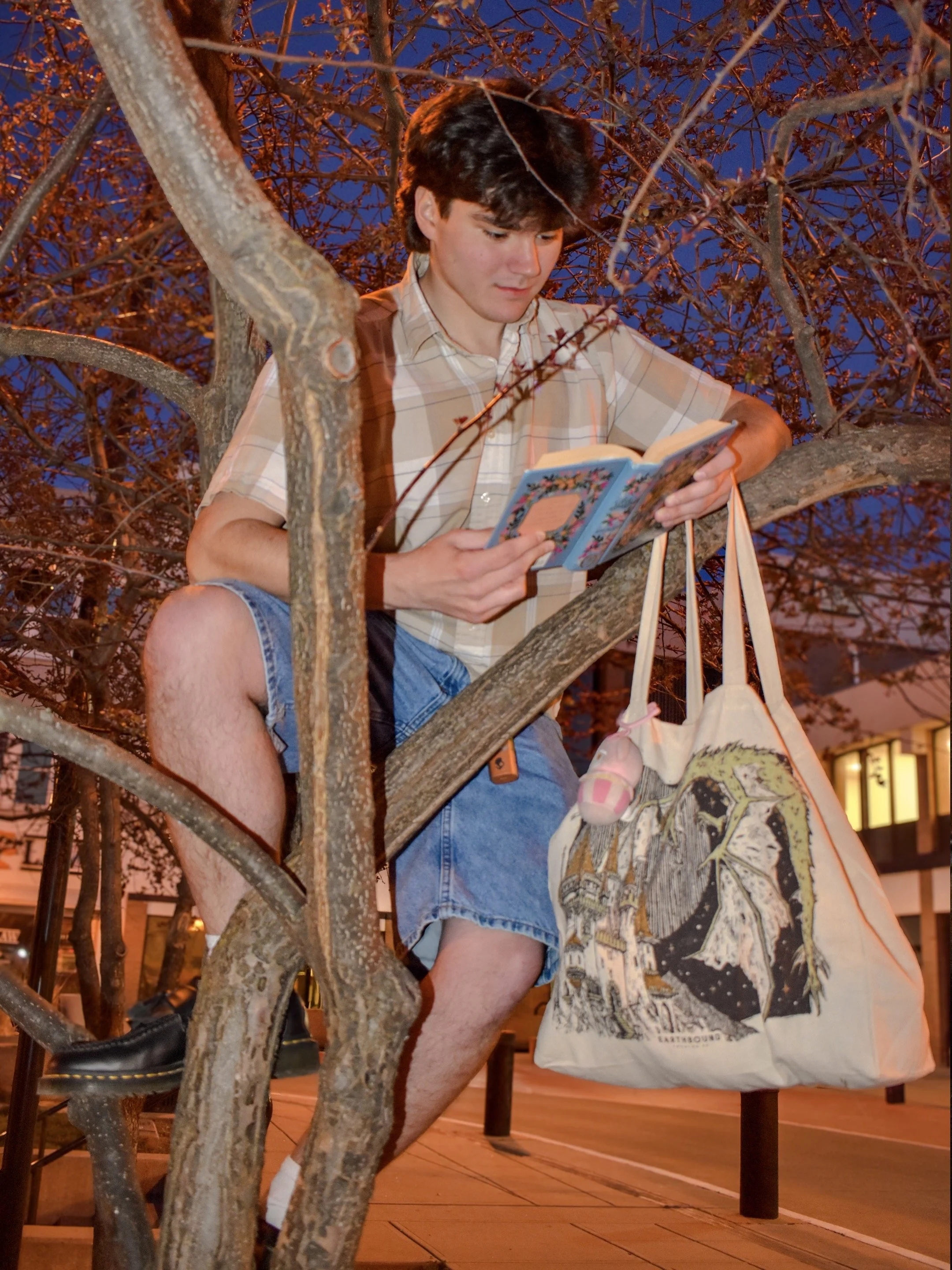
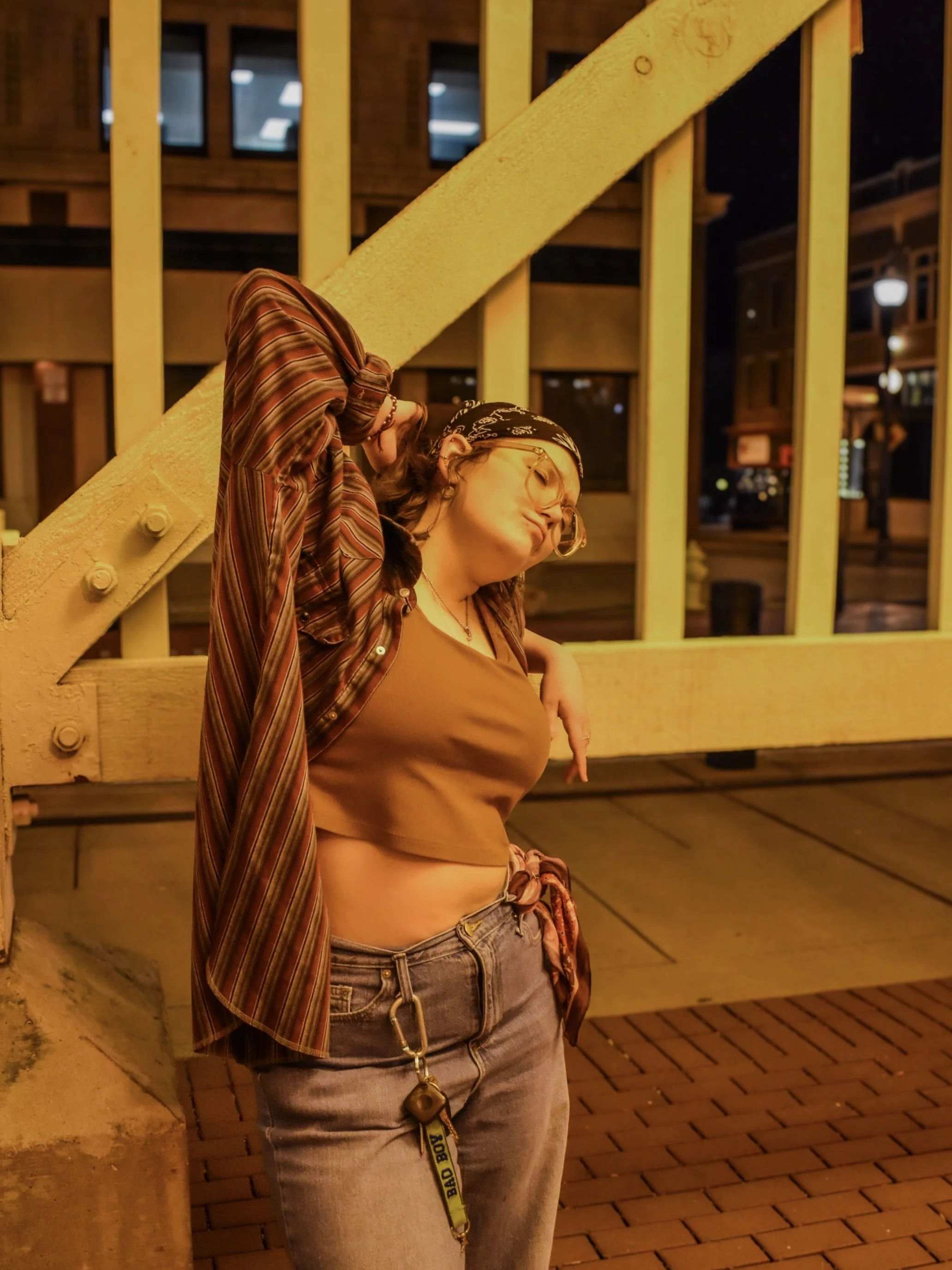
The colloquial definition of performative masculinity describes an individual (usually male-identifying, but can be any gender) who intentionally curates the identity of a politically progressive, cultured feminist to grab the attention of feminist women. The phrase was popularized through Tik Tok, originating as a trend designed to poke fun at the archetype and highlight the potentially harmful nature of such “performativity”–especially in our currently tumultuous political climate. However, the performative masculinity trend reaches beyond the disingenuity of one’s socio-political values, extending into the realms of fashion, hobbies, and even behavior. According to the general Tik Tok populous, the average performative male wears a cropped, boxy T-shirt or tank top beneath an open button-up, followed with a pair of baggy jeans and hands demurely adorned in silver jewelry. He dons a pair of wireless earbuds connected to an iPod Shuffle, listening only to the soft but expressive vocal stylings of female artists such as Clairo, Beabadoobee, and Laufey. He is an avid reader of feminist literature, carrying an open and excessively annotated copy of a novel likely written by Sylvia Plath, Judith Butler, or Margaret Atwood. Sporting a Labubu and Sanrio-embellished tote bag with an overpriced matcha latte in hand, the performative male is always prepared to nonchalantly roam the aisles of Barnes and Noble or lounge near the front window of your local coffee shop, just waiting to tell you how fervently he cares about women’s rights. The performative male adopts more “feminine” interests and stylings not for his own enjoyment, but for the purpose of attracting women, “performing” for the approval and interest of others.
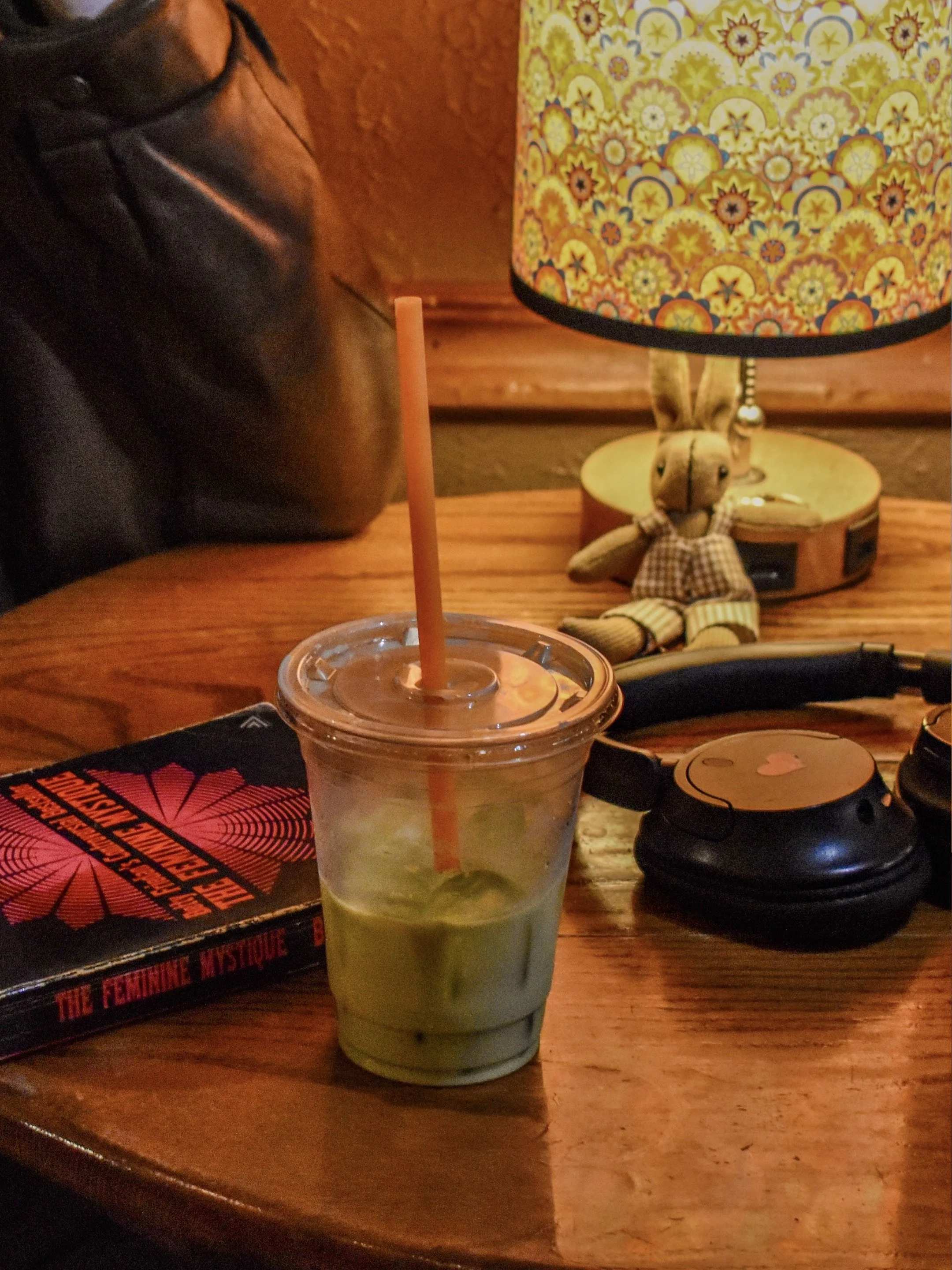
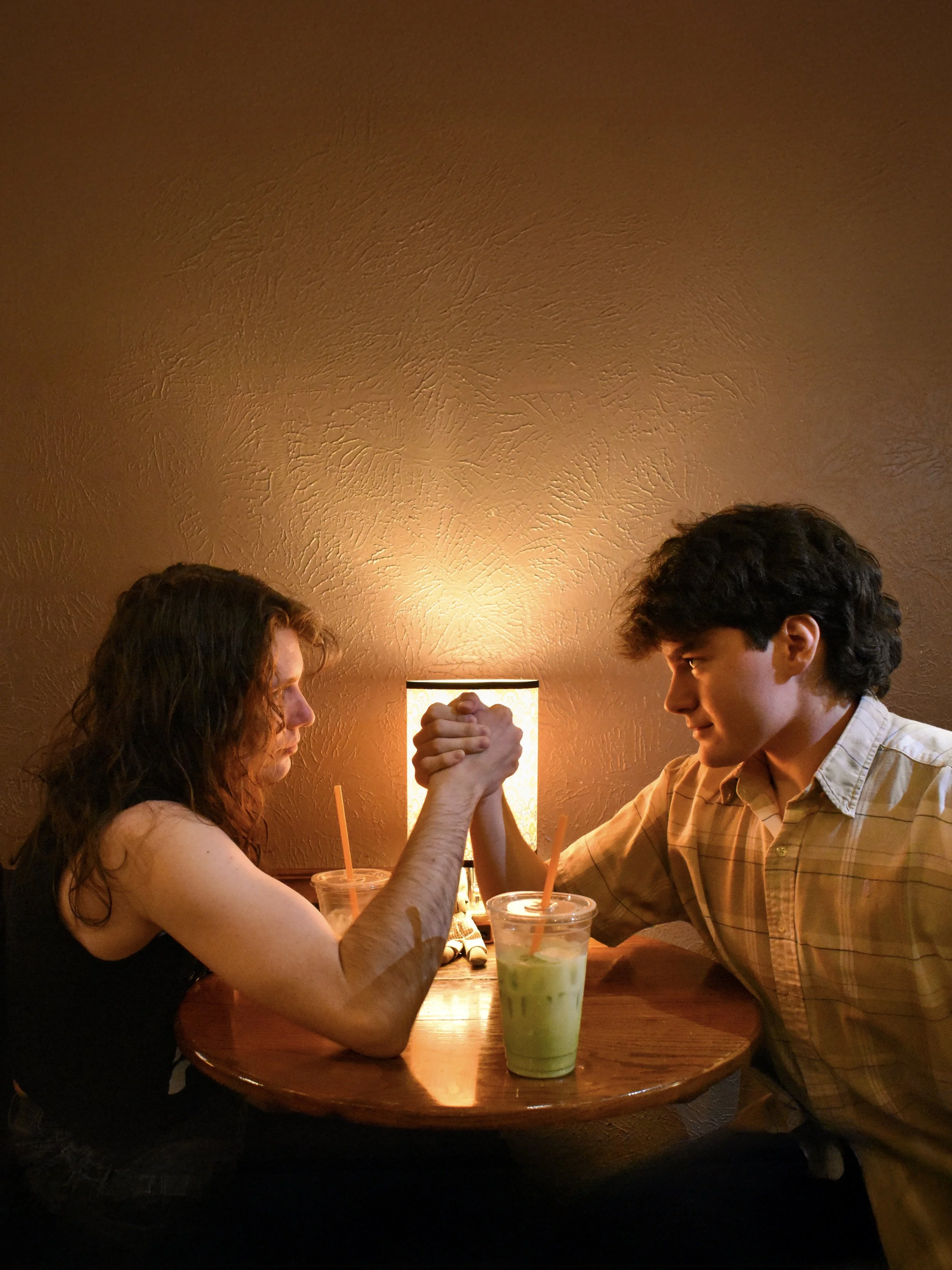
Largely harmless and satirical, this trend has sparked much creativity and connection among Tik Tok users. A quick scroll through the performative masculinity hashtag will greet you with countless “style guides” and comedy sketches. Even more comical are the performative male contests being held across the world. These contests serve as social gatherings during which contestants dress and act as stereotypical performative men, scrambling to outdo each other and take home the title of “most performative.” They often become humorously intense, with participants intentionally exaggerating the so-called “tenets” of performative masculinity; while one may flaunt an entire briefcase full of vinyl records by female soft-pop artists, another may sling an entire guitar and sound system across their back to serenade onlookers. These contests are all held in good fun and are generally positive experiences that foster community among their primary demographic of young adults.
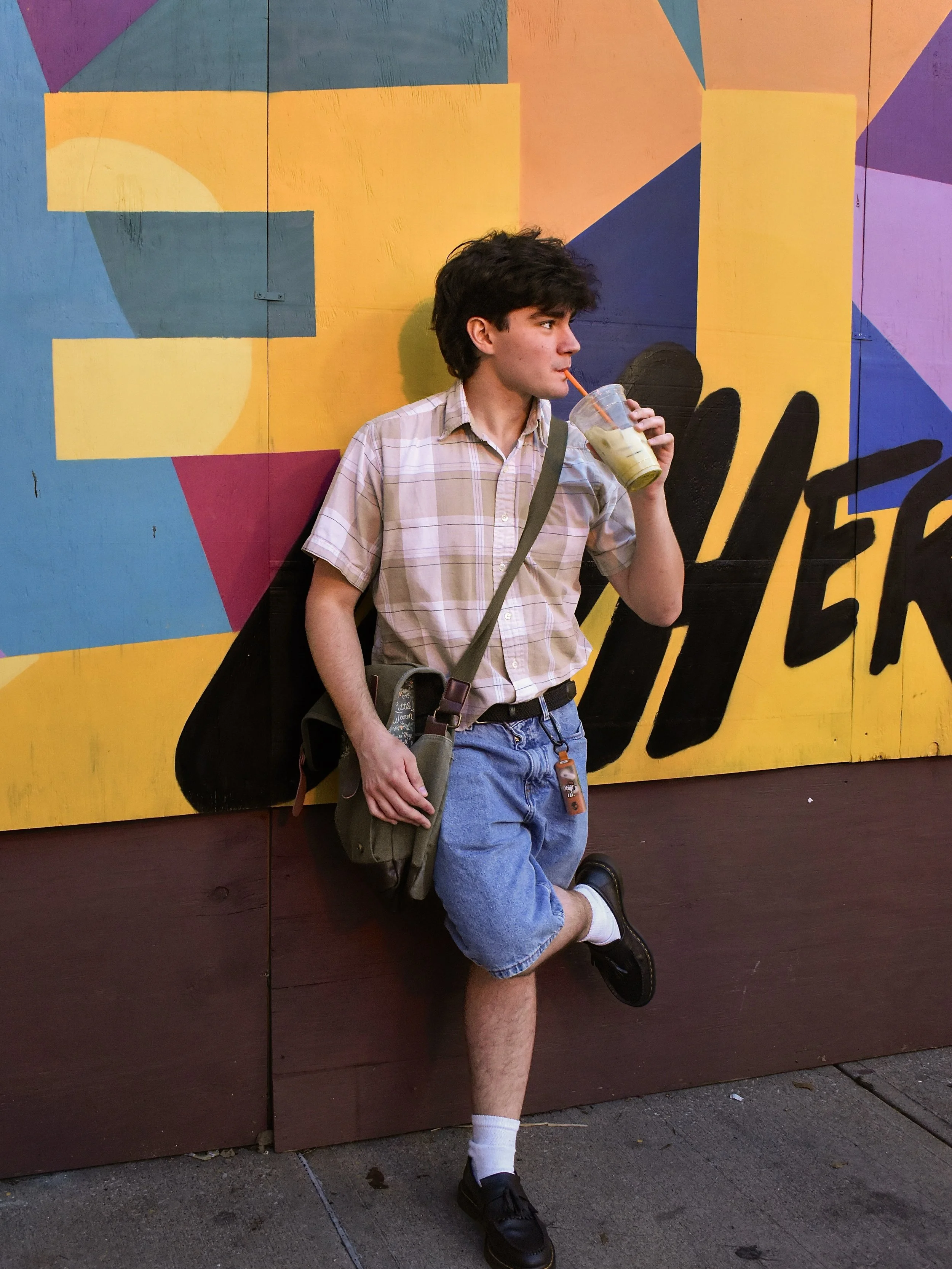
As is common on the internet, however, trends like these often start inoffensive but are eventually taken too far. Regarding performative masculinity, some Tik Tok users have made non-satirical content discussing how they can “tell” if one is being performative. Some have even gone as far as filming strangers in public who they believe are performative men. Not only is this an invasion of privacy, but it also muddies our understanding of the word “performative.” Is it possible to know if someone is performing by simply looking at them and the way they present themselves? Does adopting this aesthetic inherently make someone performative? What does it actually mean to “perform”? Trying to answer these questions through creating arbitrary criteria to distinguish the “genuine” from the “performative” has the potential to cause harm. It may leave masculine-presenting people feeling policed in their self-expression, not wanting to dress a certain way or engage in particular hobbies for fear of being perceived as politically disingenuous. Of course, there are always going to be people who do not practice what they preach, who adopt a persona that seemingly contradicts their personal values. However, assuming an inextricable link between this disingenuity and a particular visual aesthetic promotes an incredibly essentialist view of gender expression. Discouraging masculine individuals from adopting hobbies and aesthetics that are commonly deemed “feminine” only strengthens the divide between masculinity and femininity. This is counterintuitive in our current social climate that seeks to deconstruct such a binary in favor of free personal expression. Furthermore, it can be argued that we are all “performing” in some regard. There is never a moment that passes in which we are not constructing our identities, and that is done through reinvention and experimentation. When trends like these are used to shame or ostracize those who align with a certain aesthetic, we no longer cultivate a safe environment for people to engage in playful experimentation, promoting an ideology rooted in our society’s harmfully divisive interpretation of gender.
The performative masculinity trend is harmless fun at best, but has the potential to suppress certain avenues of personal expression. This is why I call you to be kind with one another as we work to find ourselves and experiment with identity, to recognize that it is not inherently shameful to “perform” (as most of us do so every single day). We must set aside this fear, and wear clothes that make us feel comfortable and confident, drink as many eight-dollar lattes as our hearts (and bank accounts) desire, listen to music that brings us peace and clarity, and read whatever book or author suits our fancy. When we stay in tune with our interests and values, our personal style truly starts to shape itself. And if such a style ends up resembling that of the Labubu-collecting, matcha-guzzling “performative man,” then is there anything truly wrong with that?