Wearing Identities
Written by Sarah Jeon
Photography by Ellie McCleary
Modeling by Sarah Jeon, Alexis Loftis, Ayleen Palomares, Aliyah Rivero
Special thanks to El Cafecito and Jamaican Patty Co. for shooting privileges!
“Ask your mom to buy you prettier pants, yeah?” My Korean grandmother grabbed my arm to whisper these words in a dialect I called her ‘southern drawl’. I glanced down at the black sweatpants decorating my legs before I clarified my purchase.
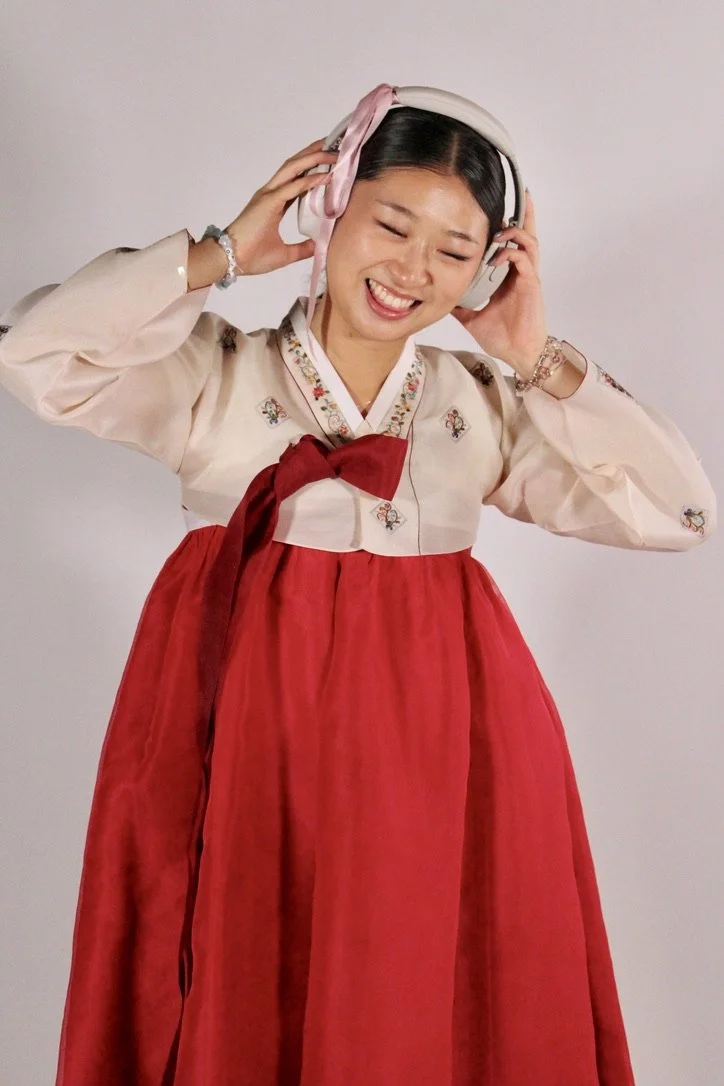
In efforts to suppress Korean identity in 1910, a 35-year occupation by the Japanese government saw the color white as an act of resistance against Japanese authorities. Deeply rooted in Korean history, the discouragement of using white in fashion prevented Korean nationals from wearing their symbol of cultural identity, the hanbok (한복). Identifying as a Korean-American who bleeds in pride for voluminous skirts and white jackets, I only ever learned to socialize in English. Born to two South Korean parents who immigrated to the US in their twenties, I have lived in Missouri my entire life. My education in Korean dwindled before I reached middle school. I struggle to put on the same hanbok my mother wore to her wedding, and I reteach myself every year the proper "Jeol" (절) sequence of showing respect through a traditional Korean bowing method to avoid mistakes in front of my family at New Year’s.

My freshman year at college awakened me to a sense of alienation I scarcely encountered in my hometown of St. Louis. In 2023, the percentage of Asian students enrolled at Missouri State University was as low as two percent of the student population. The “first-generation American identity crisis,” references significant struggles with belonging for those who fall under this label. I’ve personally witnessed a vast multitude of testimonies from first-generation Americans and their struggles, especially from those in Asian-American communities. It’s not rare to see children becoming translators, mediators, and dealing with inner conflict from a young age. Tasked with navigating between their parents' home country and American culture, people who share first-generation identities as Americans, immigrants, college students, or who come from multiple non-American backgrounds often feel they don't fully belong to either culture, experiencing imposter syndrome and social isolation at least once in their lives.
Fighting against the pressures to assimilate, the importance of clinging to identity became prevalent in the Korean-American community I was raised in, and consumption of the music genre K-pop (Korean popular music) was rising exponentially. A growing adolescent’s dire attempt to feel connected with their heritage was quickly becoming apparent as society in the US was experiencing the effects of Hallyu. This quickly led to middle and high school students bonding over posters, light sticks, photo cards, and has trickled into the collectables community. Sanrio, Miffy, Sonny Angel, Smiski, and recently Labubus have come into fame within niche groups as a way to recognize how young adults are allowing themselves to be identified.
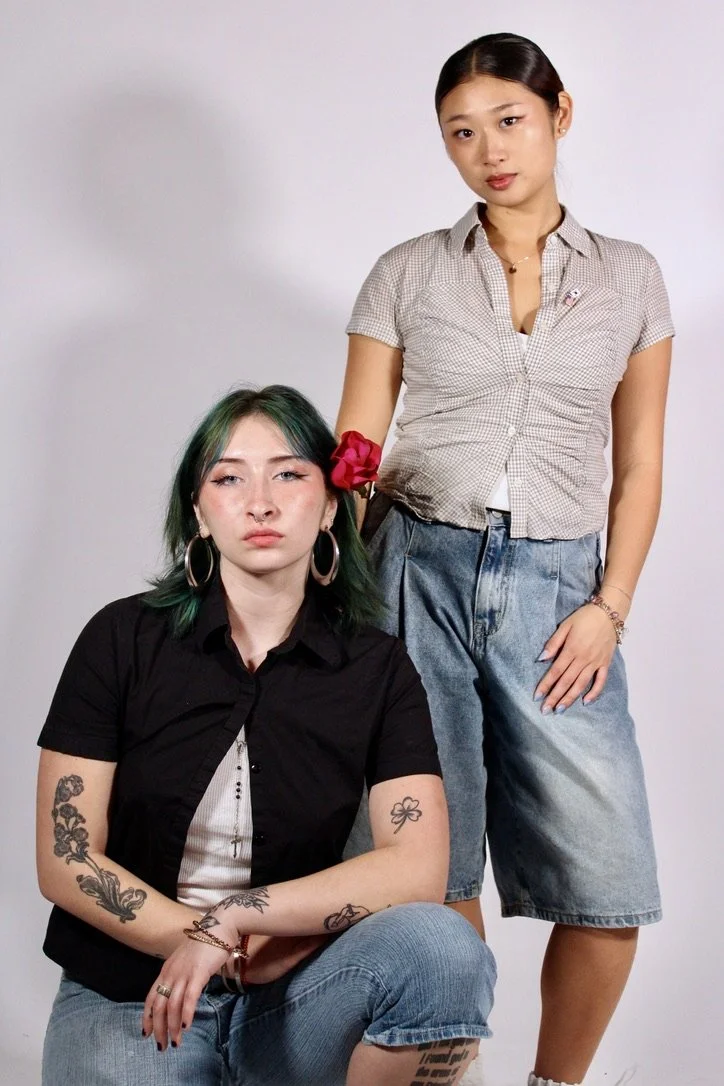
Unlike Korean fashion trends in 1945, it’s not common to wear skirts big enough to hide a small animal, or wear so many intricate layers and ribbons. So, how does fashion become a mirror of identity for young people of color? Since experimenting with clothing and accessories in my teens, I’ve been told my outfits reflect Korean streetwear to people in the U.S. while native South Korean individuals believe I present myself as a foreigner. In the twenty-first century, wearing who I am can be as simple as wearing makeup that accentuates my aegyo sal with a westernized smokey eye, rocking a Korean-American cross-flag pin on my school bag, or styling the long, baggy jorts I got from Seoul into my personal style.
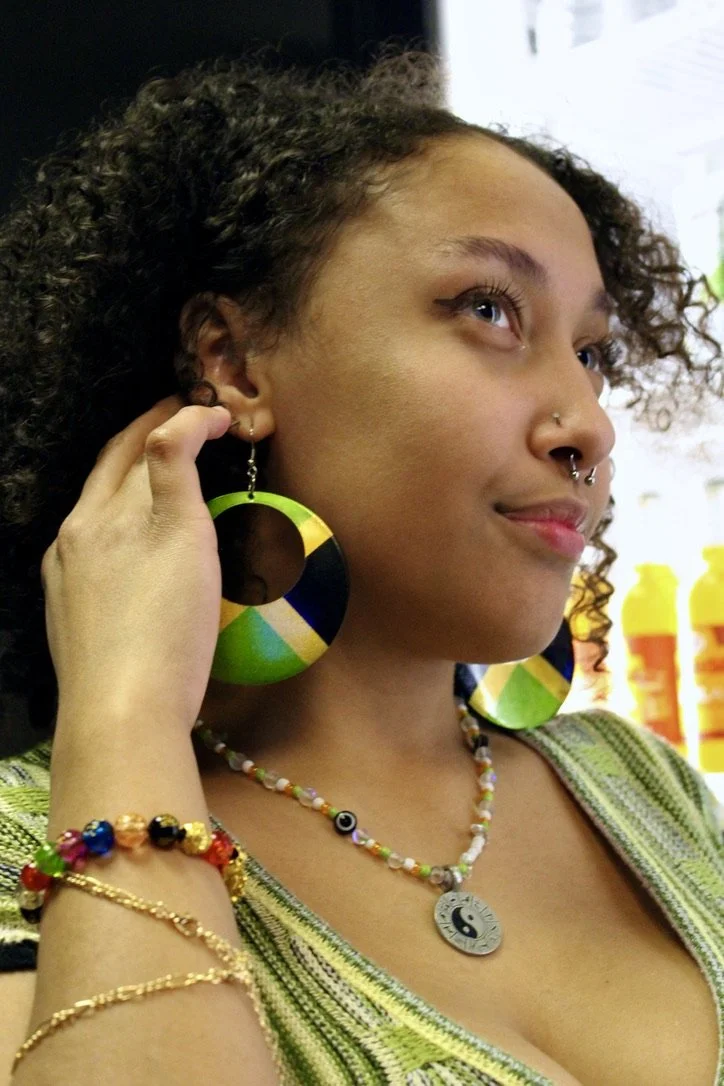
Through experiences with peers, faculty, coaches, and various communities at Missouri State University, I have come to learn that college is a vital time of self-exploration. For students with diverse cultural backgrounds, fashion is a language of expression and a tool for navigating dualities in their identity.