
Mannequins: Saints on Stage
Written by Salena Figueroa
Photographer: Cody Brennecke
Stylist: August Ervin
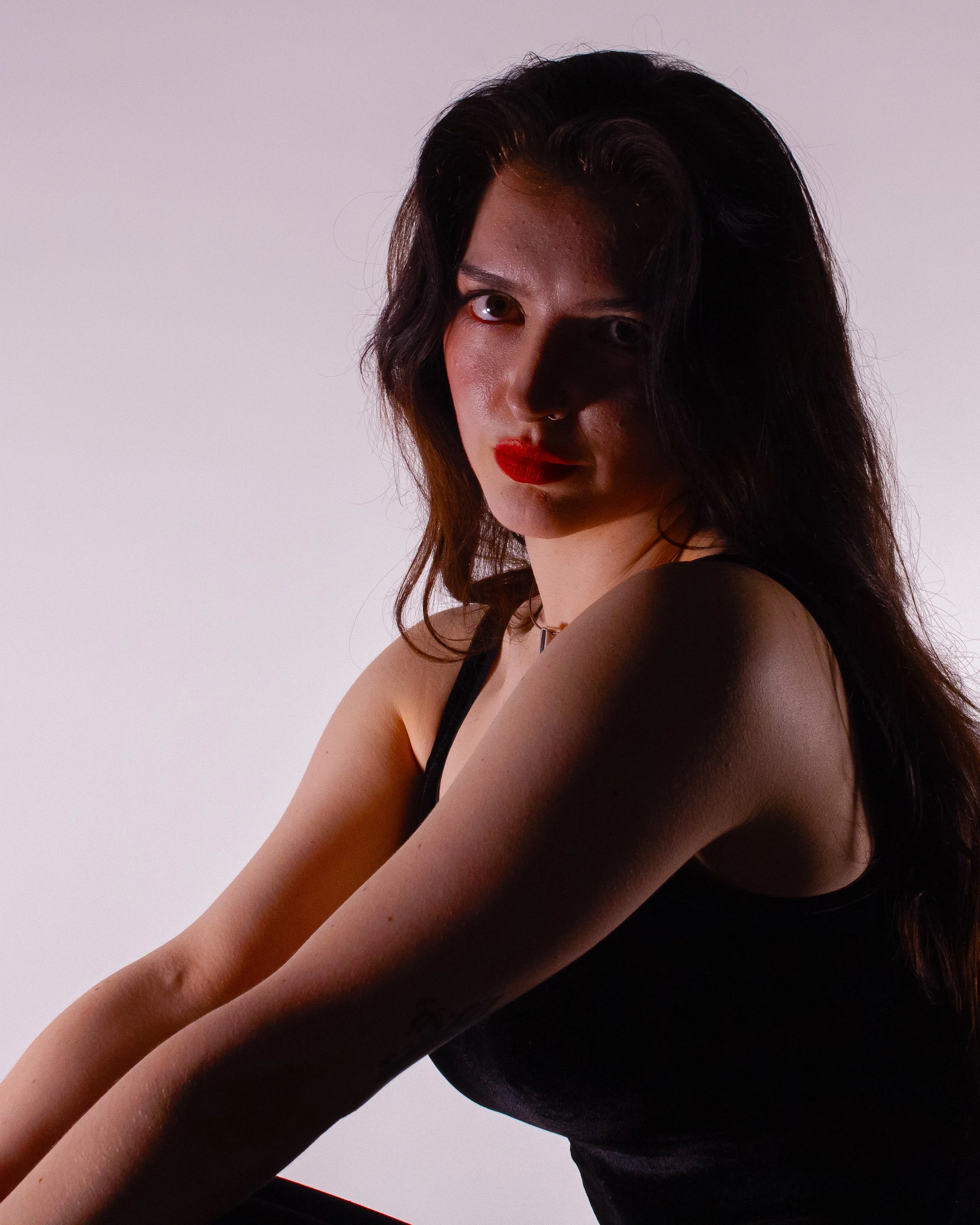
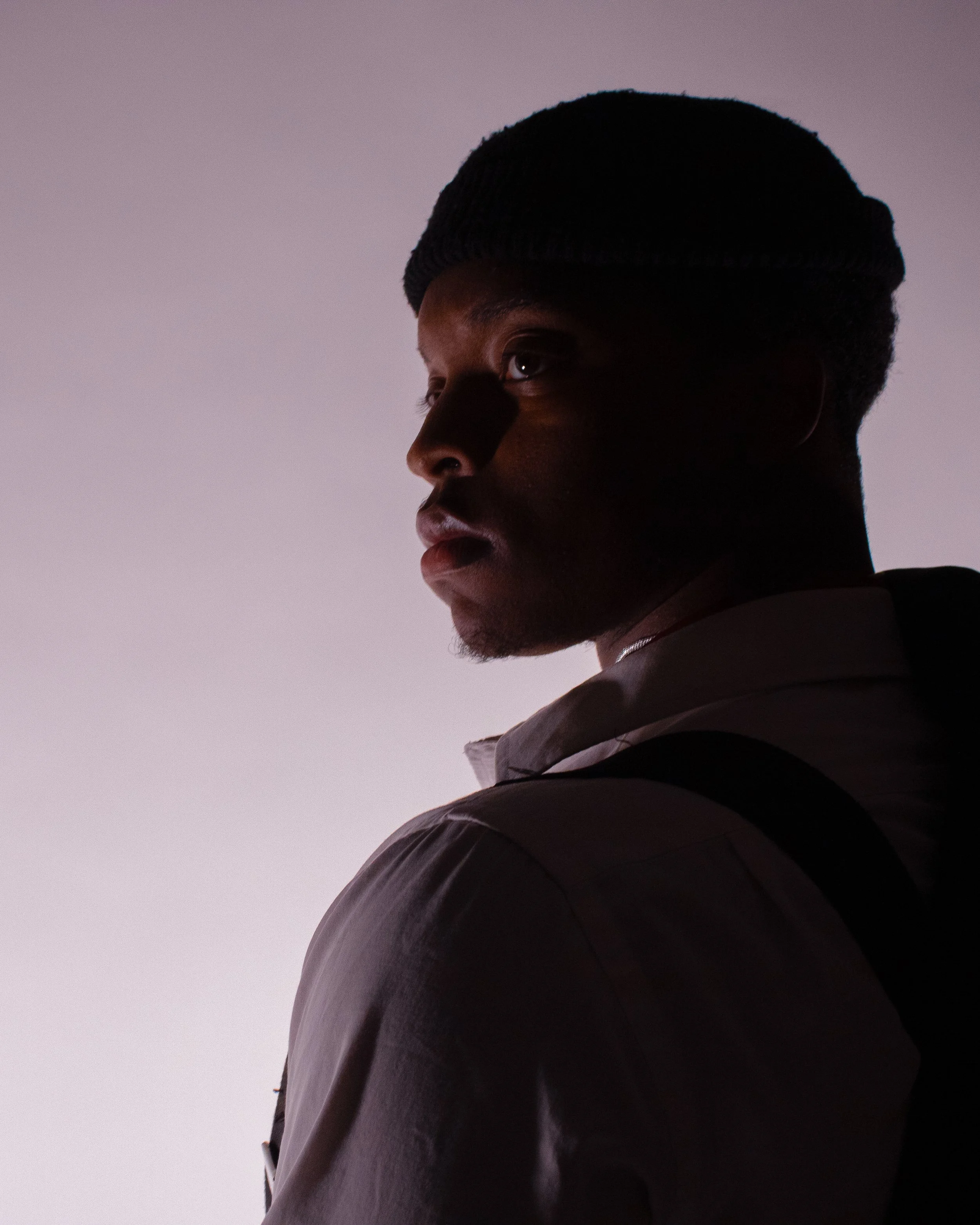
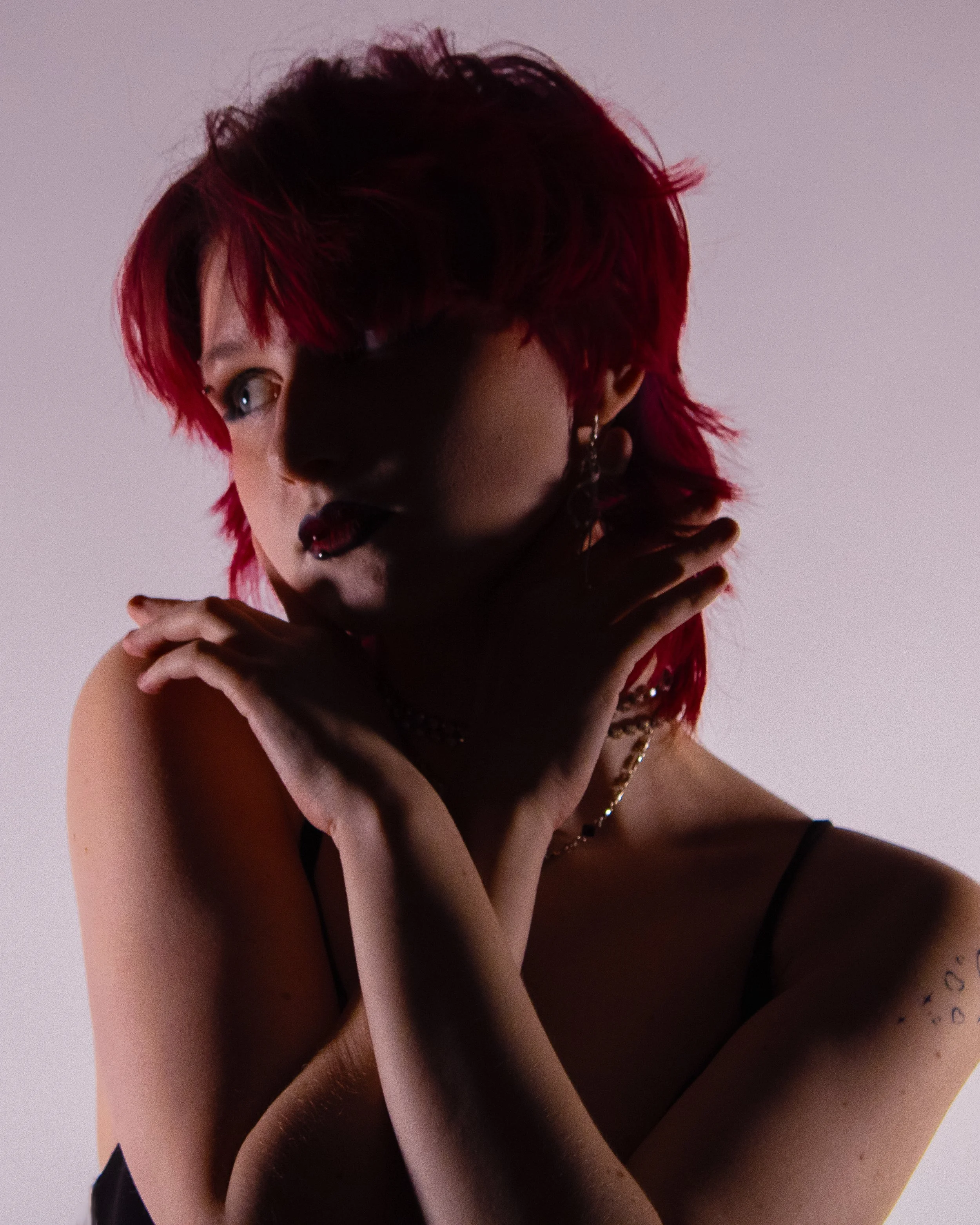
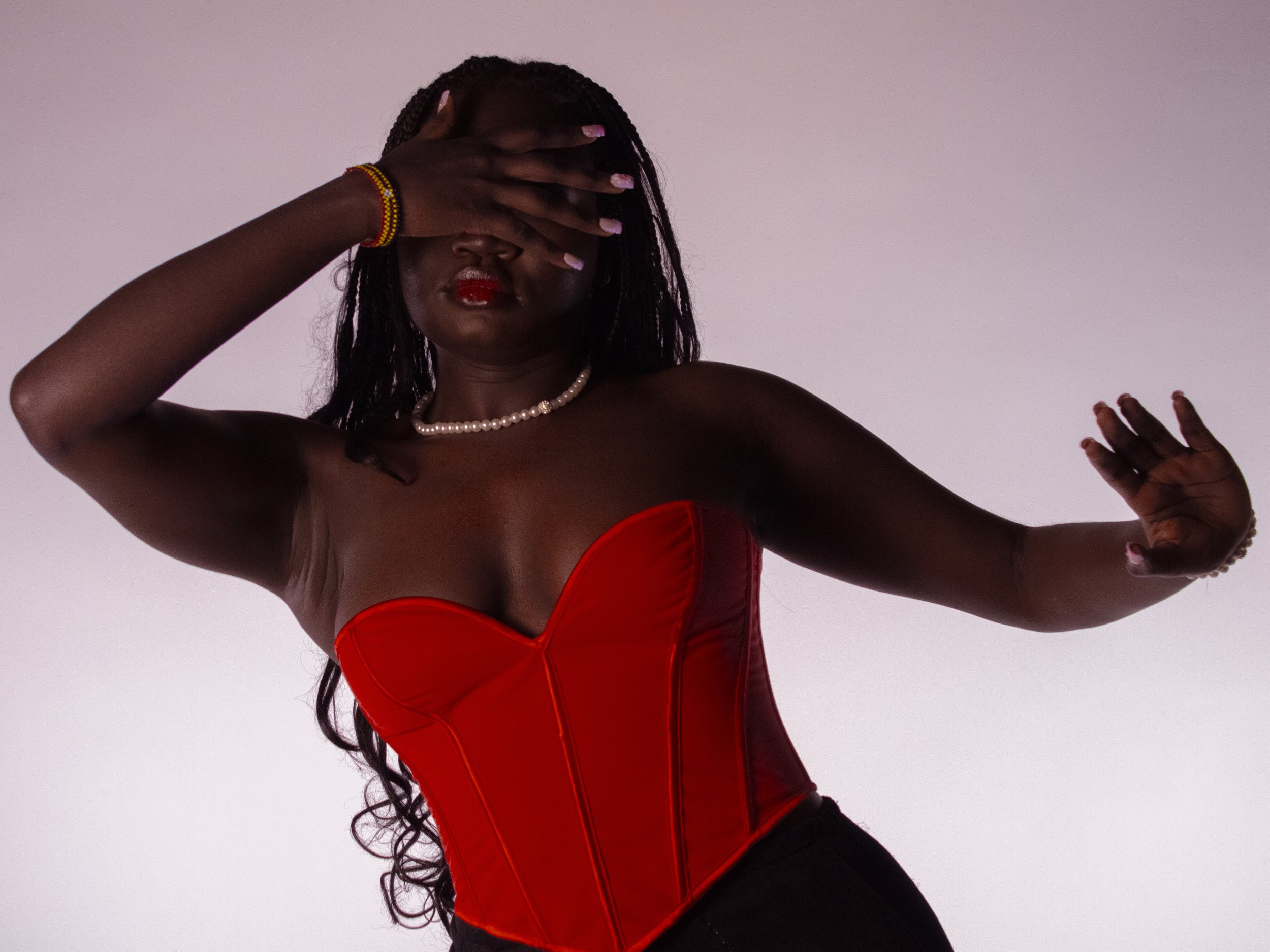
Models: Adonis Negron, August Ervin, Olivia Shipley, & Natasha Lotigo
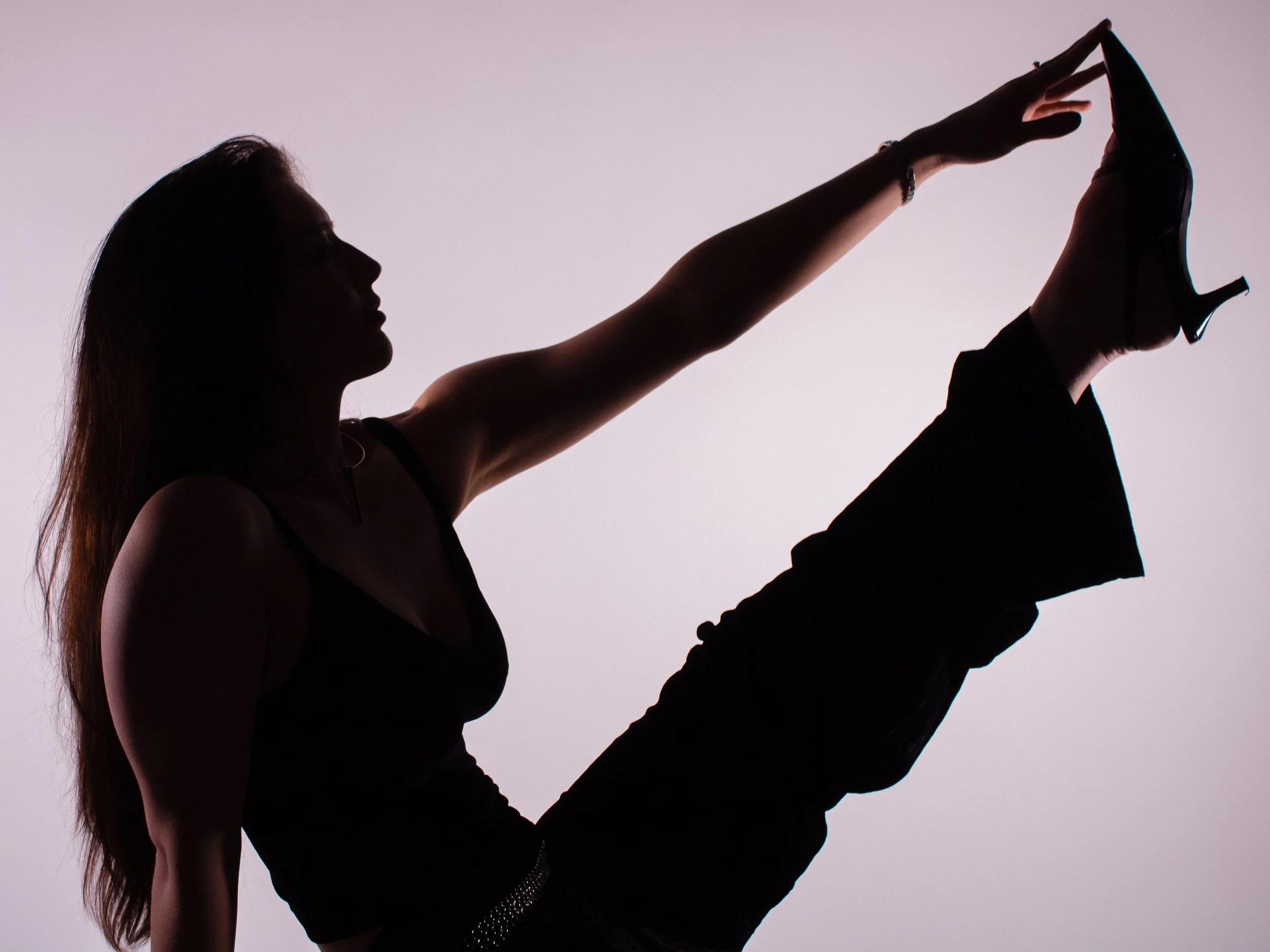
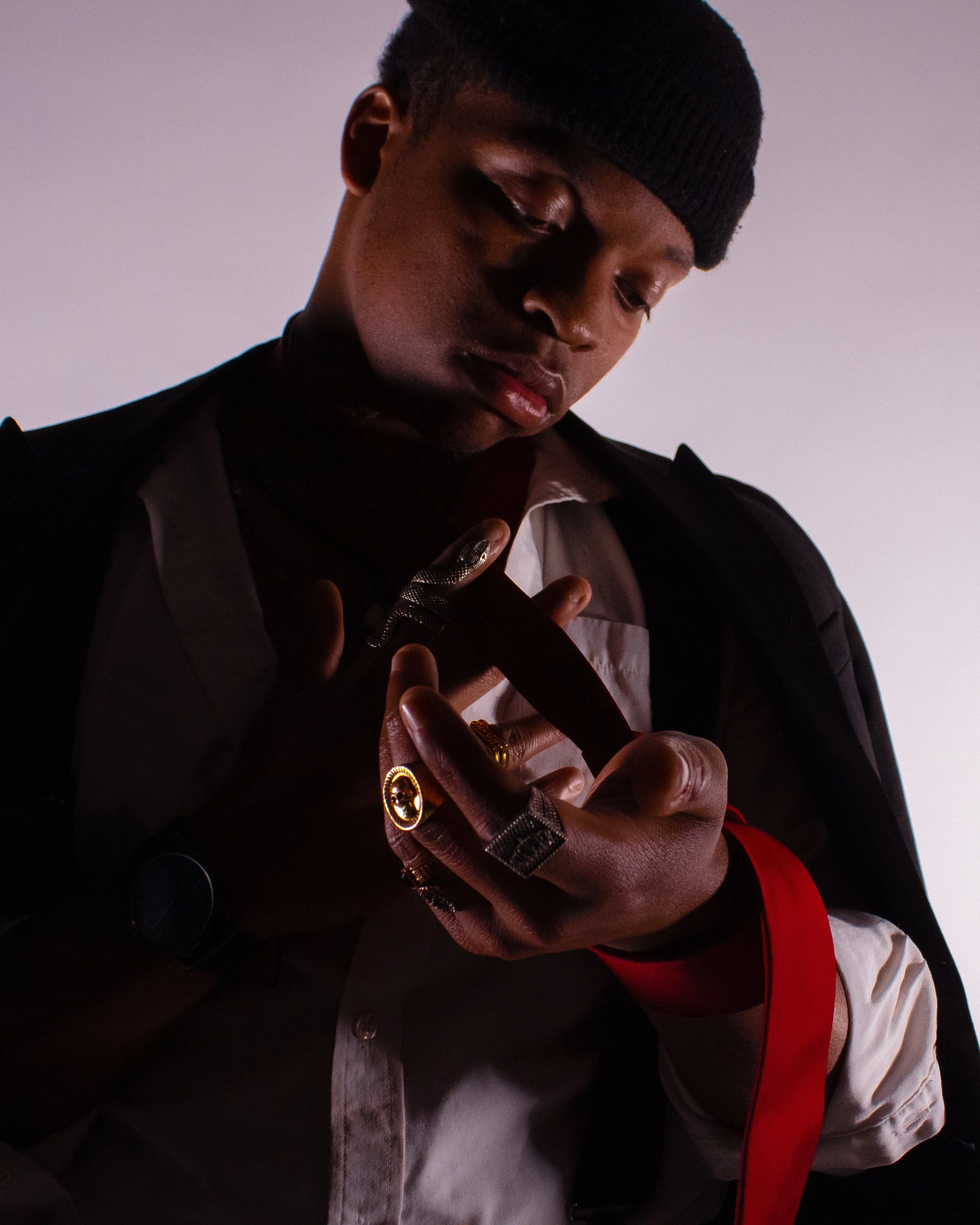
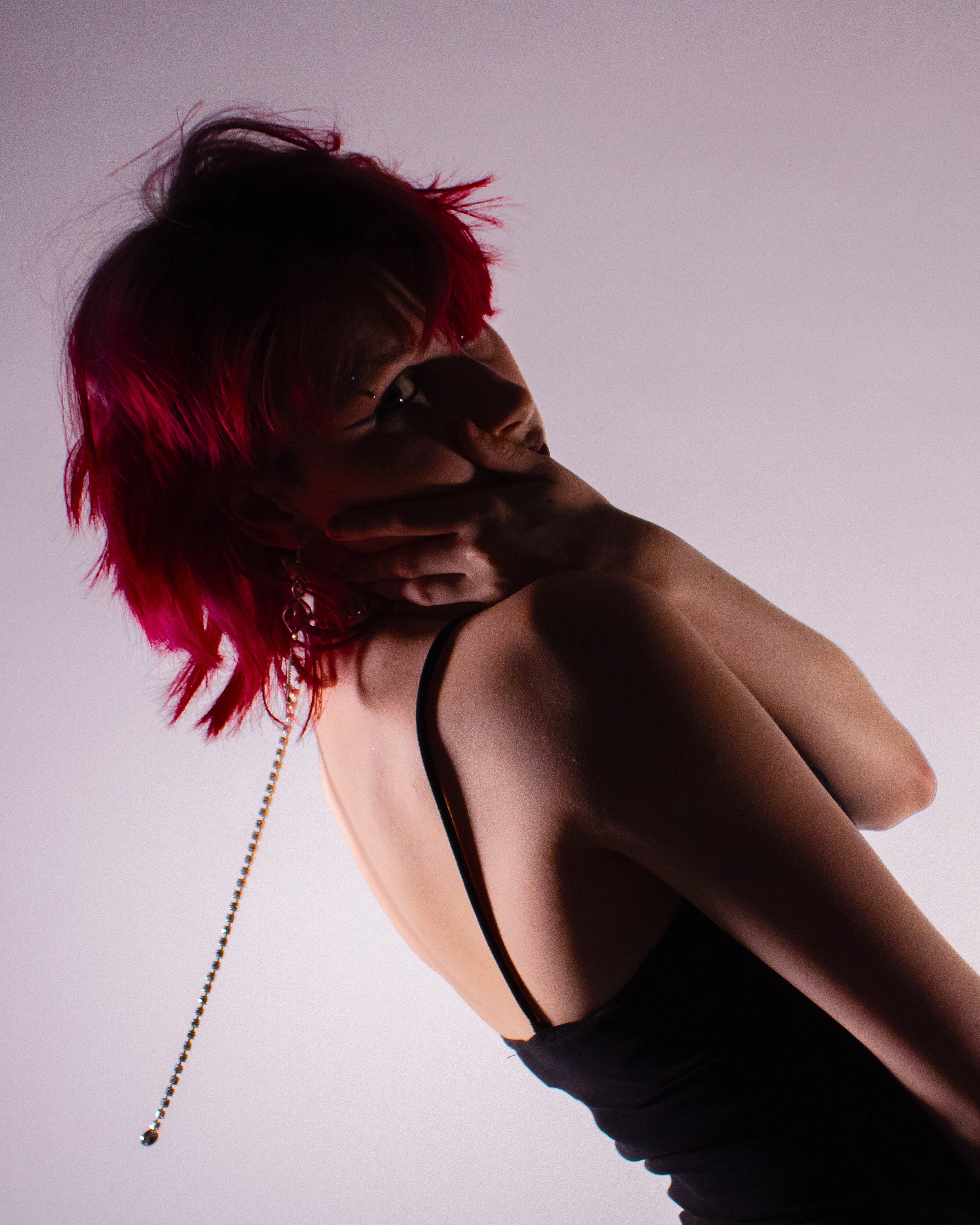
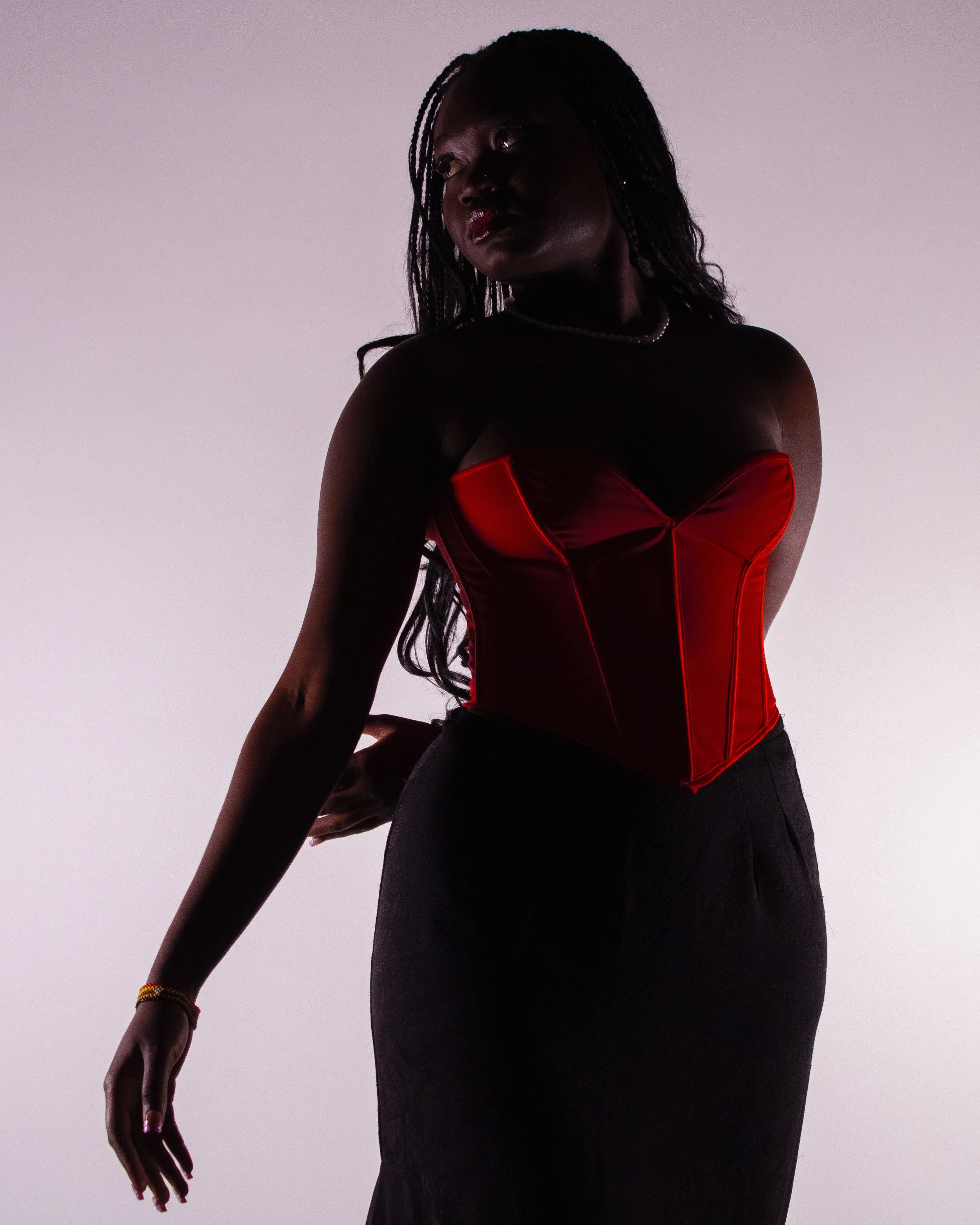
I used to idolize mannequins. Yet I didn’t know her.
There’s a certain anonymity for the girl who stands, posing perfectly beneath shining lights. Draped in silk fabrics, dipped in glossy porcelain. She was pretty; she was present, but she didn’t smile, nor wink at the audience, who were awed by dresses molded to her frame. She stood tall, unmovable. And I wondered: did she know her own name?
As a little girl, I walked through the store, holding my mother’s hand.
The floor gleamed like ice beneath us; a mirror mimicking a world untouched, still. I remember tilting my head up and adoring the delicate pleat of the mannequin’s dress. I admired the way nothing wrinkled, nothing looked flawed. Her waist curved without breath. I fantasized about the subtle dip in her sides: a timeless hourglass. Her arms posed without ache. And I loved the way the light illuminated her; she looked as if she wore a halo. She was a mystic saint sent from above, and I prayed to her from below. Yet I didn’t notice the mannequin for her plain, almost uncanny, expressions. I noticed the way her lacy tank top was perfectly fitted; it seemed painted on. I noticed a red leather belt, wrapping around her hips like a bow. I noticed the shine of a black patent heel, the way it gave empowerment in height. And I worshipped the way she was beautiful without disrupting the beauty of what she wore.
Then I decided: mannequins are beautiful because they don't have to be anything at all.
Mannequins didn’t have to outgrow the trends they disappeared into. Mannequins didn’t have to balance beauty with intelligence. Mannequins didn’t have to apologize. Mannequins didn’t have to explain. Mannequins didn’t have to feel shame about the space they take up.
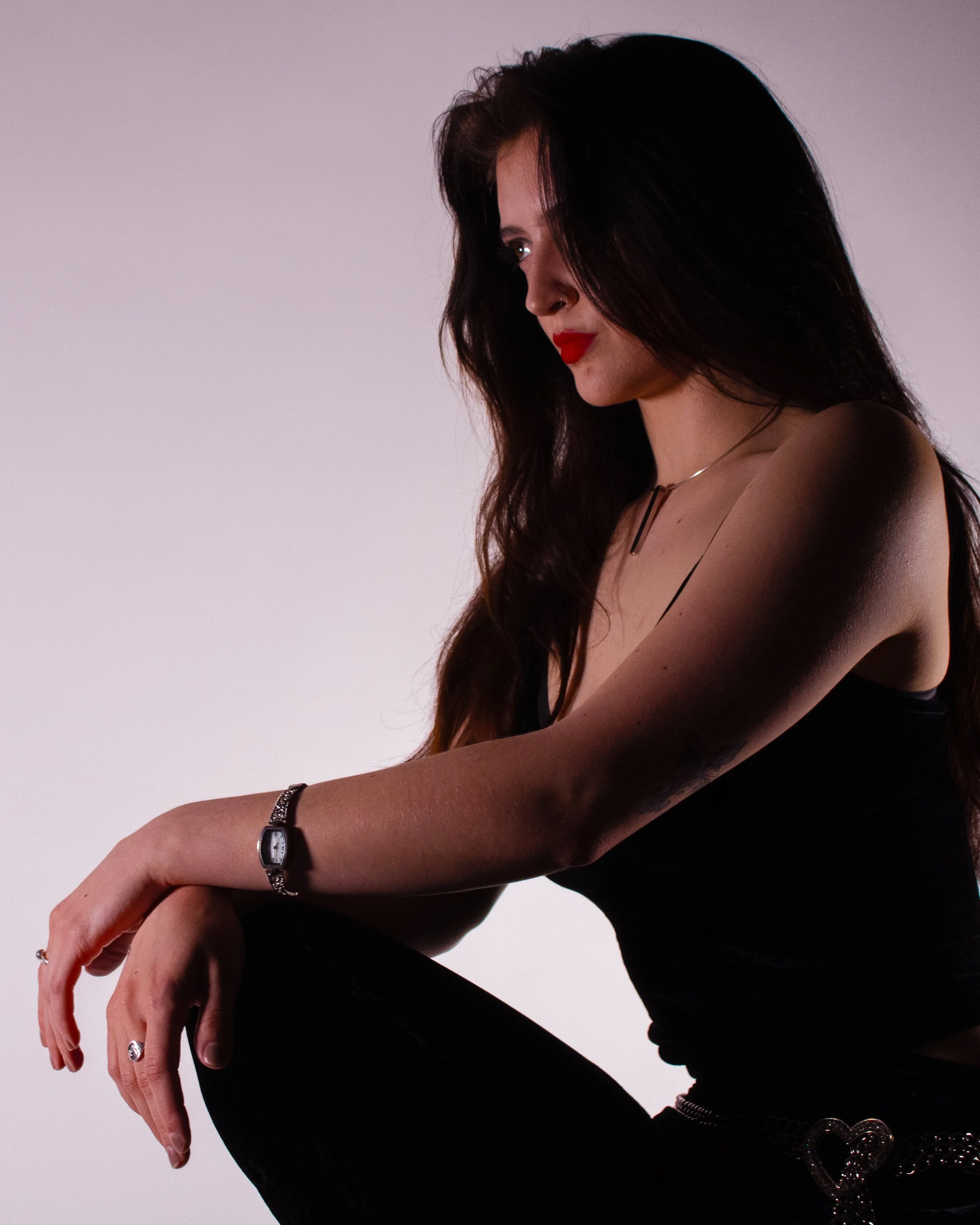
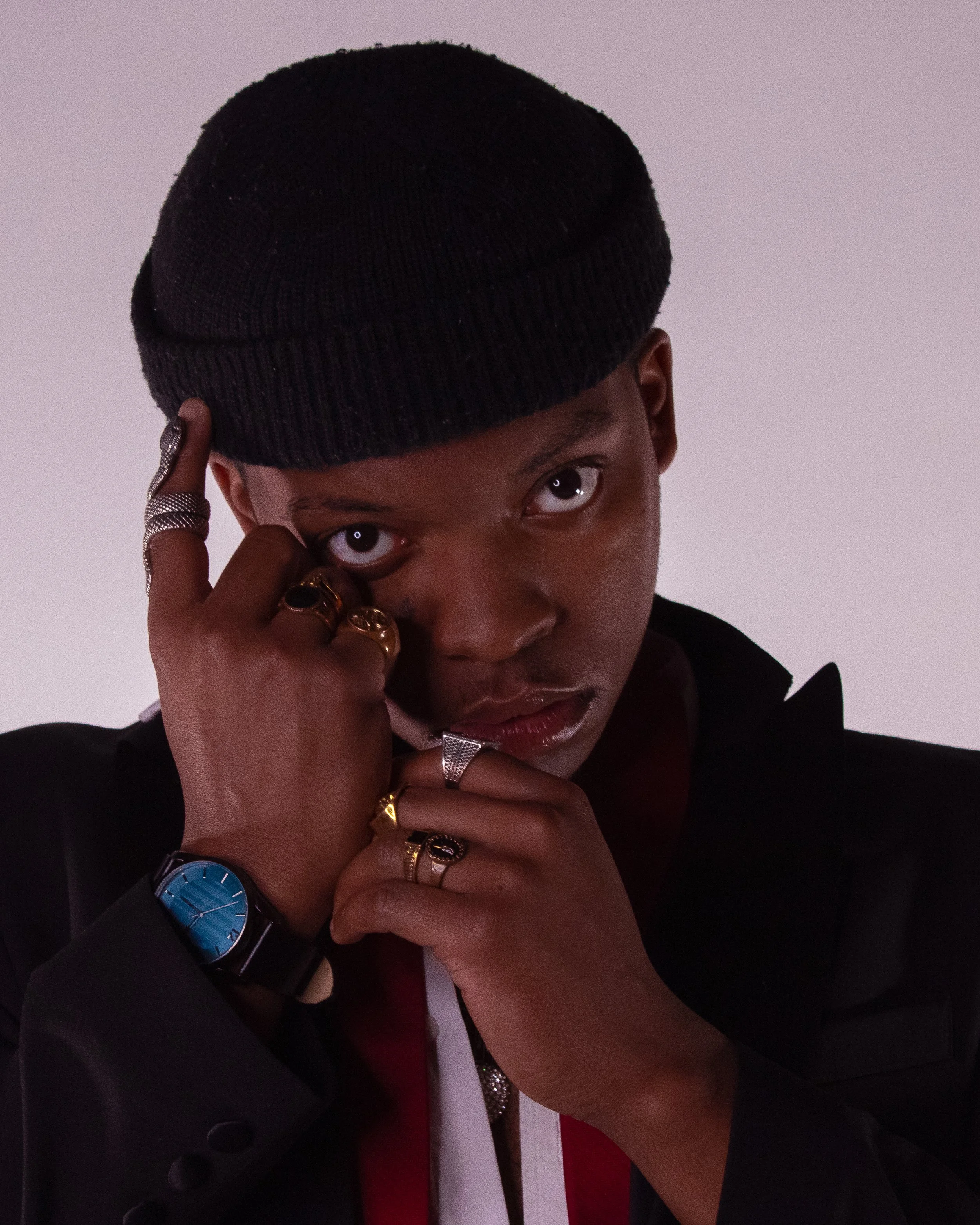
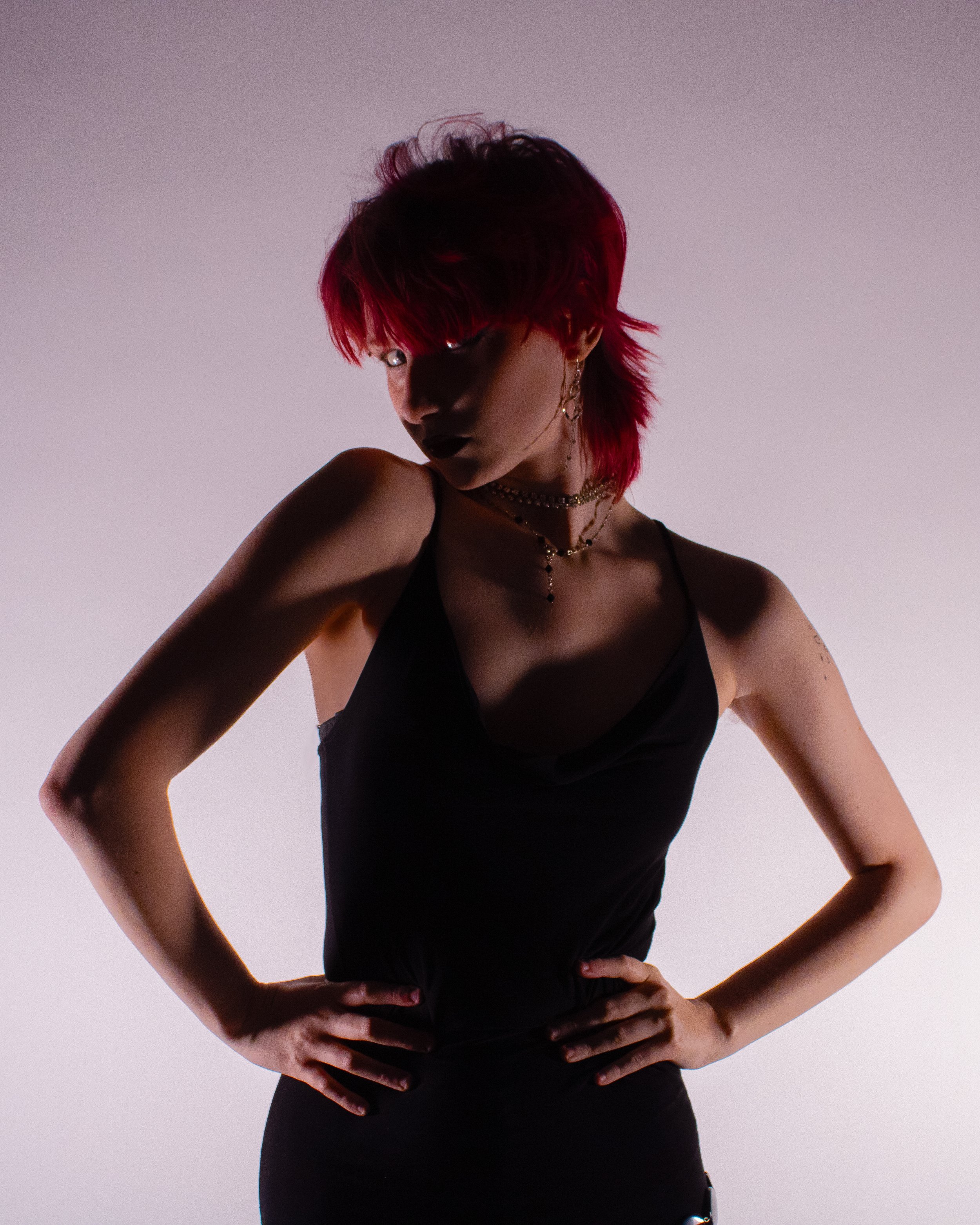
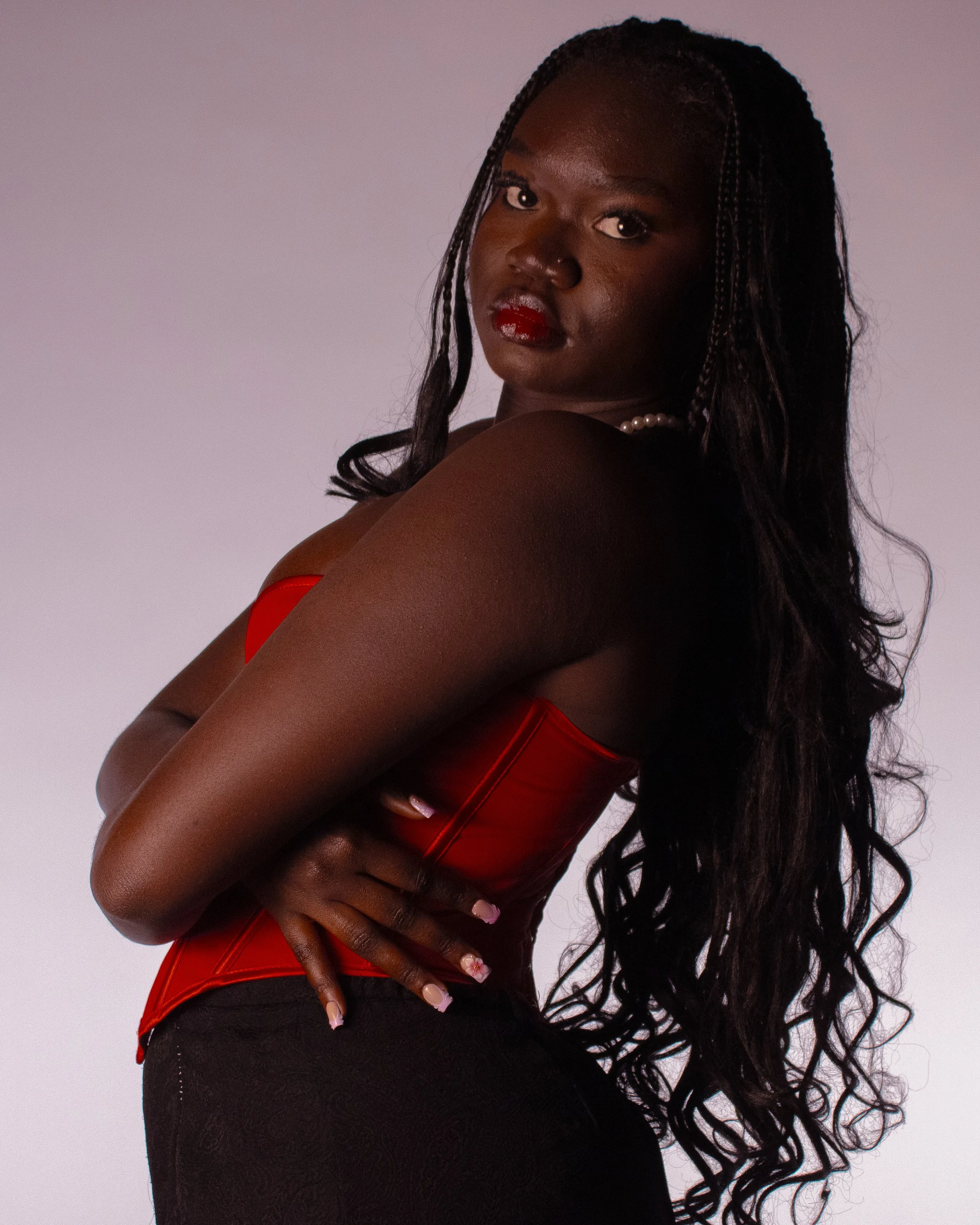
Then I noticed: mannequins learned to walk.
This time, she glided down a stage, above the anticipating audience. Spotlights. Cameras. Waiting on angels who moved but did not speak. Breath held, silence. Lights caught the shine in her brown hair and the innocence in her blushing cheeks. Sophistication wore a saffron gown, fabric that whispered praises and kissed her ankles.
And for the little girl, beauty begged the question: Am I visible, or am I only displayed? I remember standing in the dressing room, holding a black bra against my chest. Mirror lights spotted me, noticing every blemish and line that echoes memories of the me who didn’t want to change. I held my breath. A test, scrutiny under the same lights where saints posed adoringly. Lights that worshipped stillness now judged me for moving. Murmuring, “How dare you?”
I tugged, traced, and followed the indents from the straps on my shoulders, letting it bite and nip at my softness. I squeezed my eyes tight, begging to see a resemblance to nothing at all. She didn’t spill. She didn’t adjust. She didn’t feel the unforgiving wire stabbed into the cage holding a panicked, fluttering heart. A mannequin with my form, though without my pained expression. And I wanted to disappear for a moment into the smoothness of displayed plastic, draped in the certainty of silk.
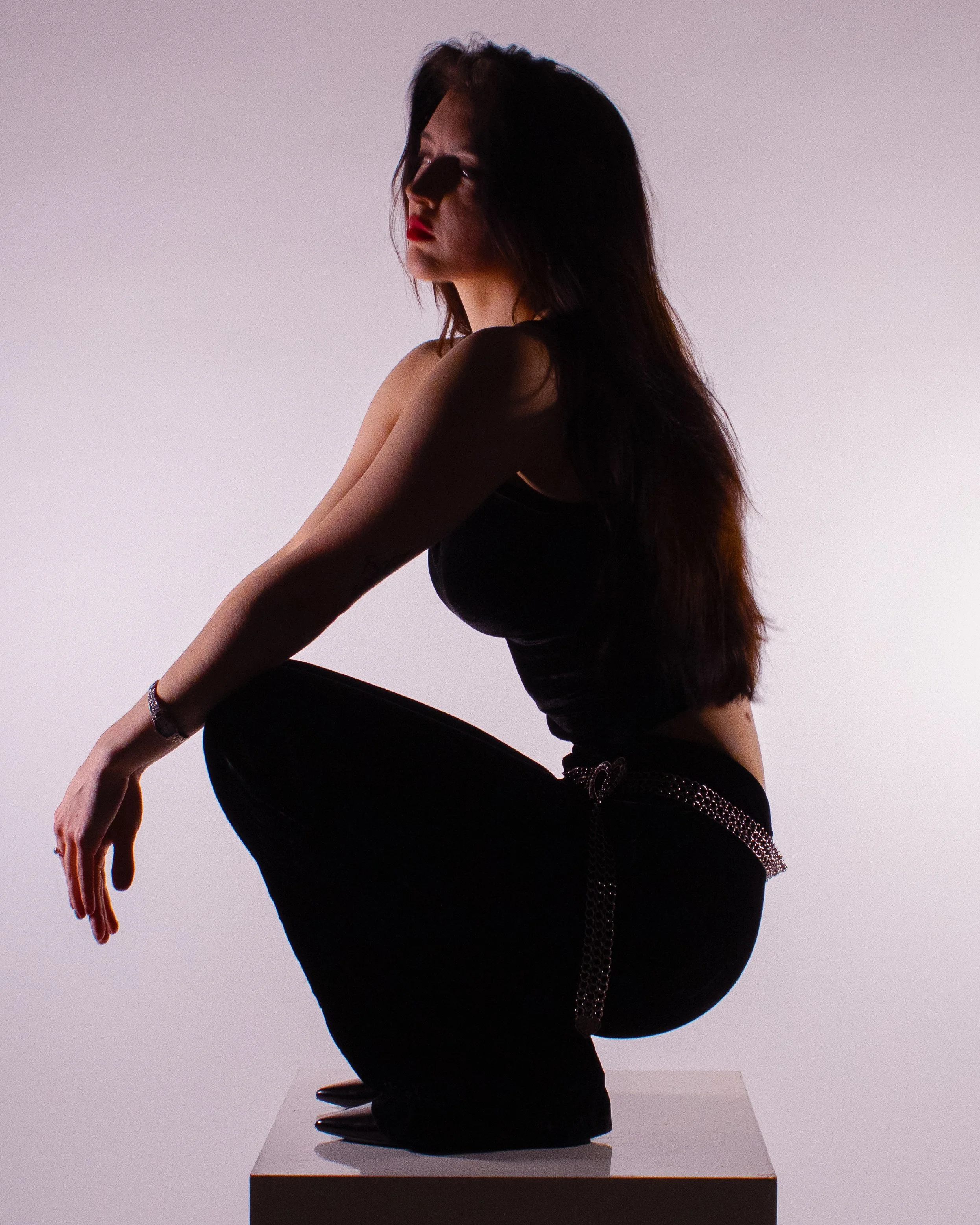
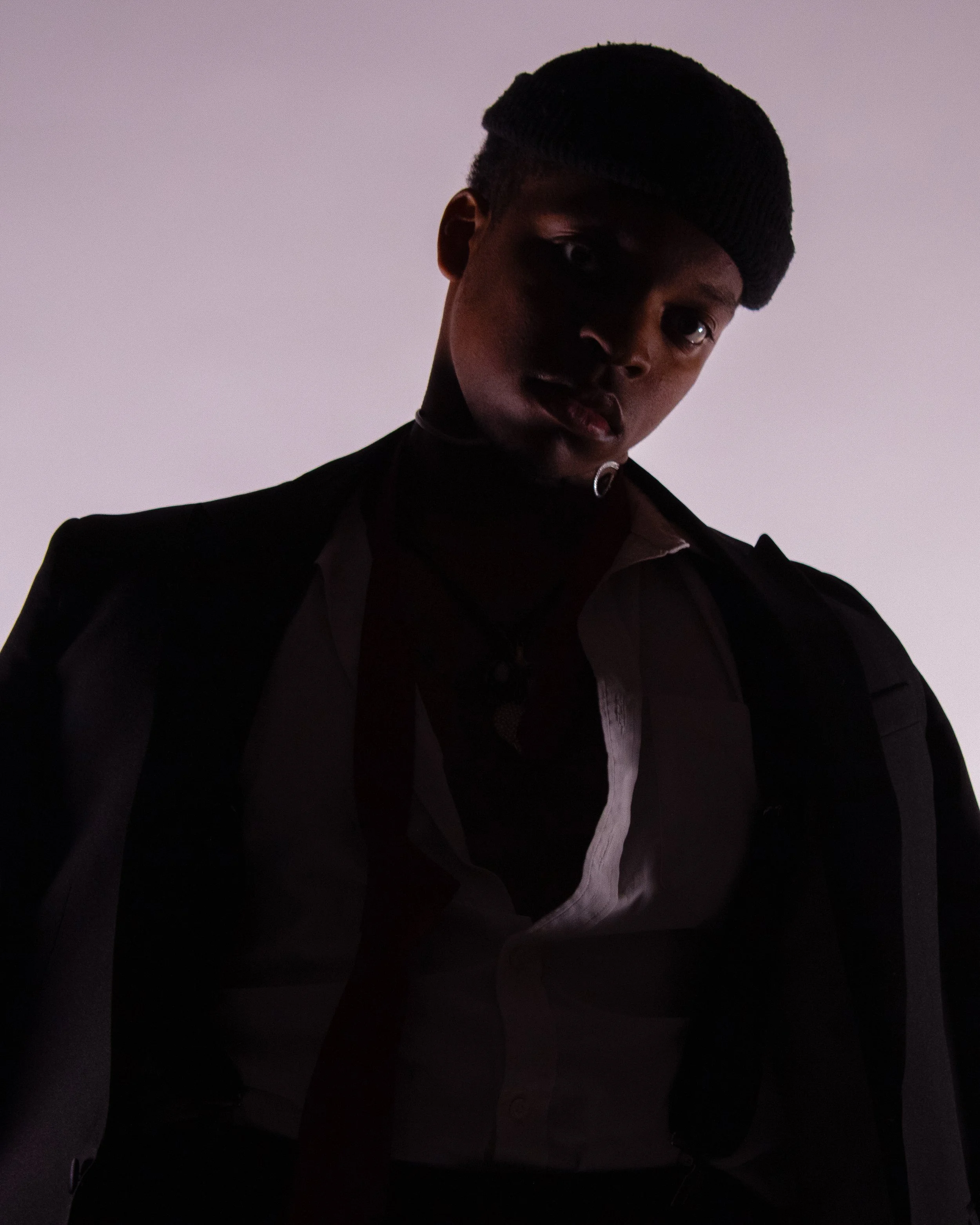
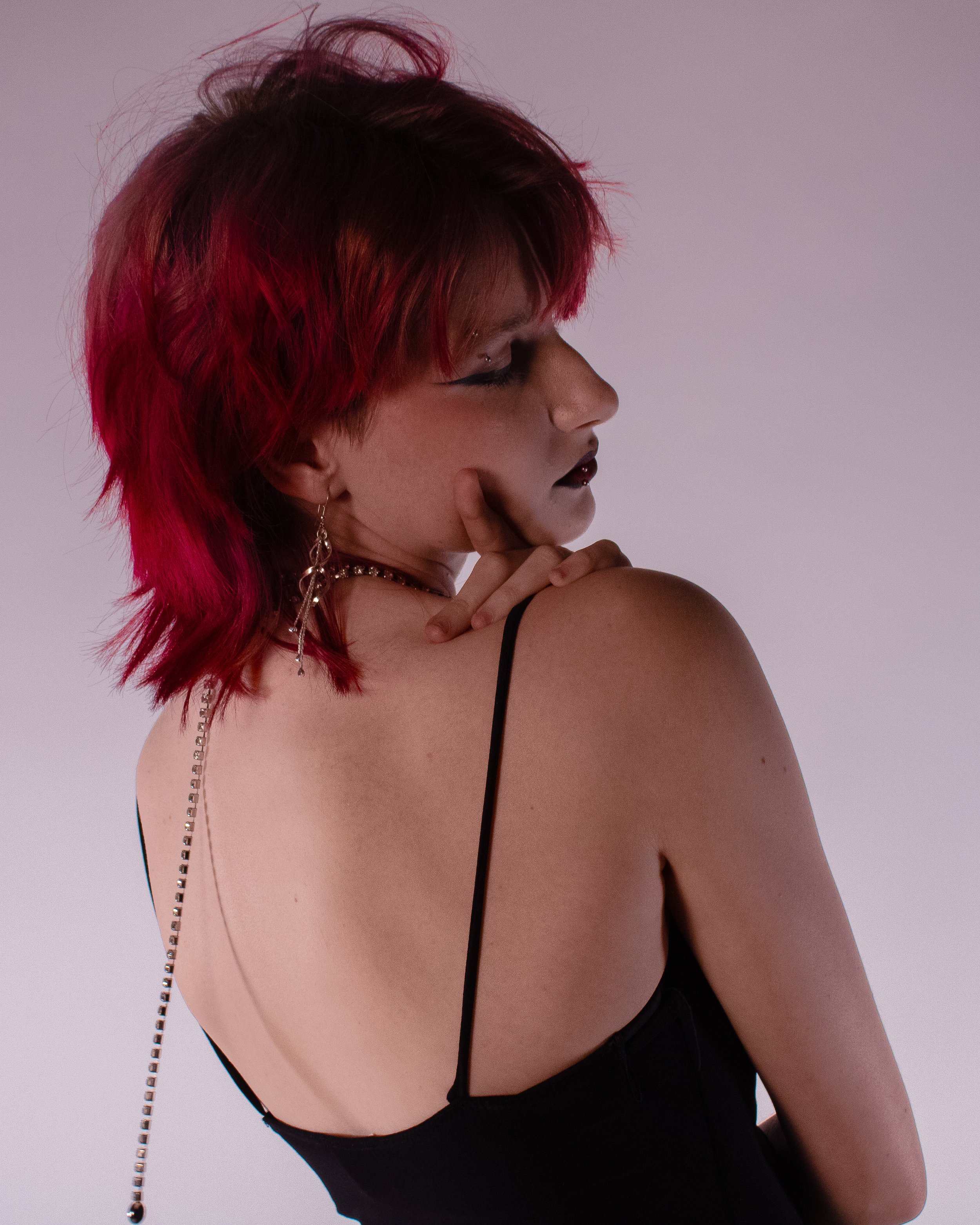
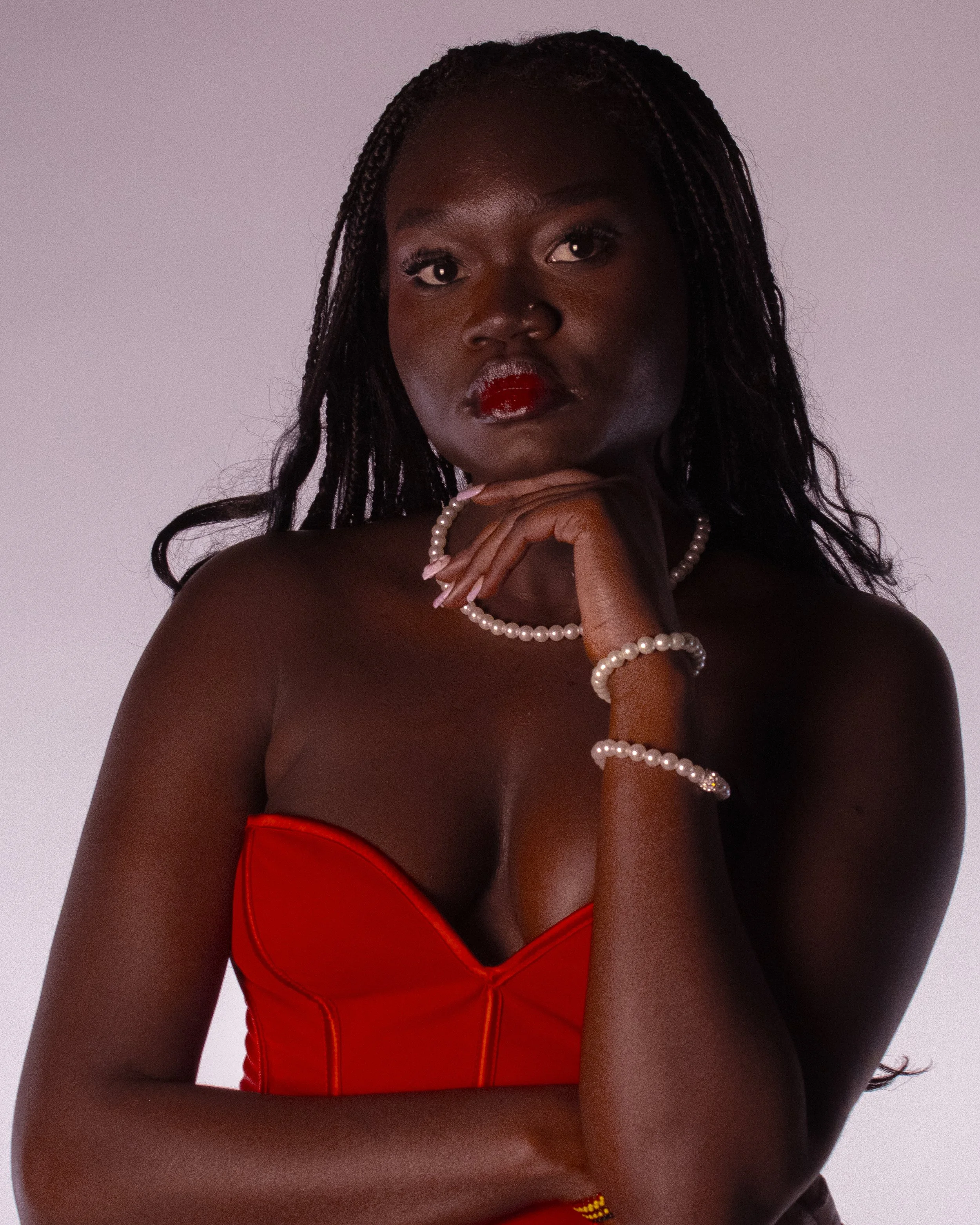
But I was here. I lifted my eyes and returned to silence. I don’t know what I was expecting. To be more? To be less? To be neither? My frame was soft, yet my eyes were sharp. Plump lips bitten pink, yet my voice refrained. And I stood, blinded by the same lights that once swore that beauty was best deserved when she didn’t move, now promised a new beauty: lovely and fragile. Like sunlight inviting itself through window blinds. Suddenly, beauty became something alive, messy, and unpredictable. And the release of breath was warmer than light. The gentle sound of my mother’s voice swept under the door of the dressing room, calling my name. I looked upon myself. A person: one in constant movement, one who tried to remember their name.
And if the mannequin had a name, would it matter at all?