
The Truth is Out There: An X-Files Retrospective
Written by: Cade Dylan Johnson
Photography by: Dani Harris
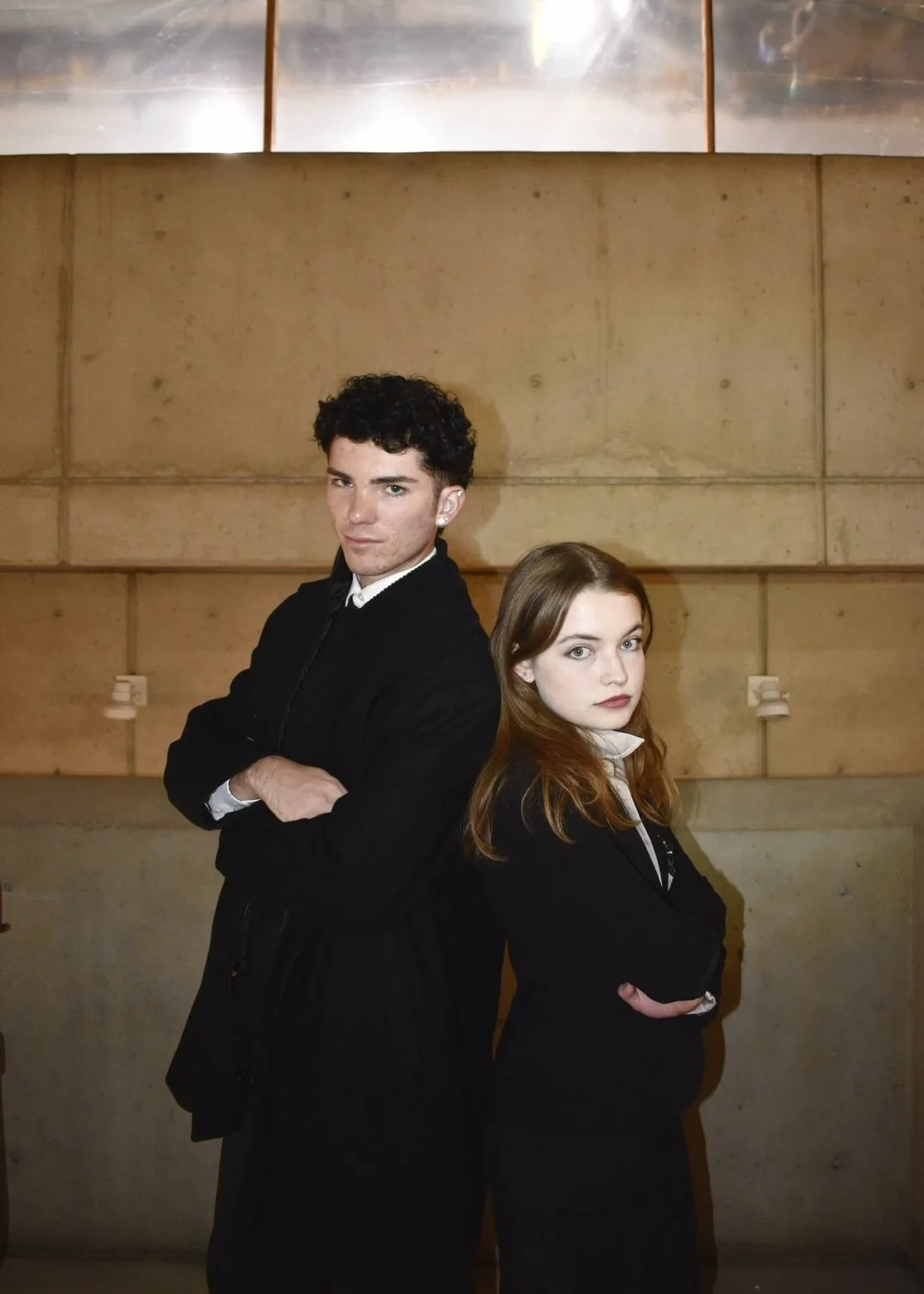
Modeled by: Grace Wasson and Cole Vest
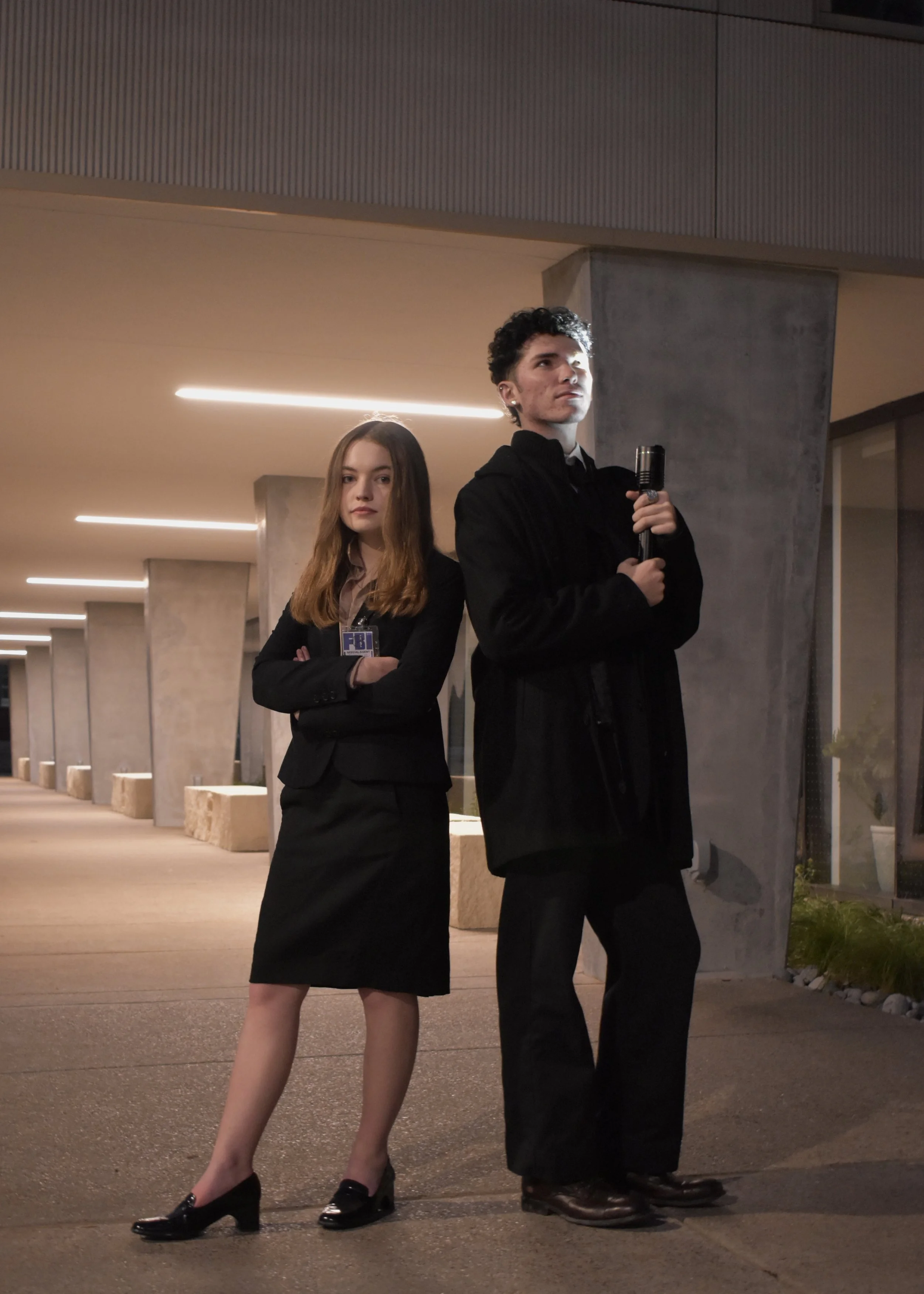
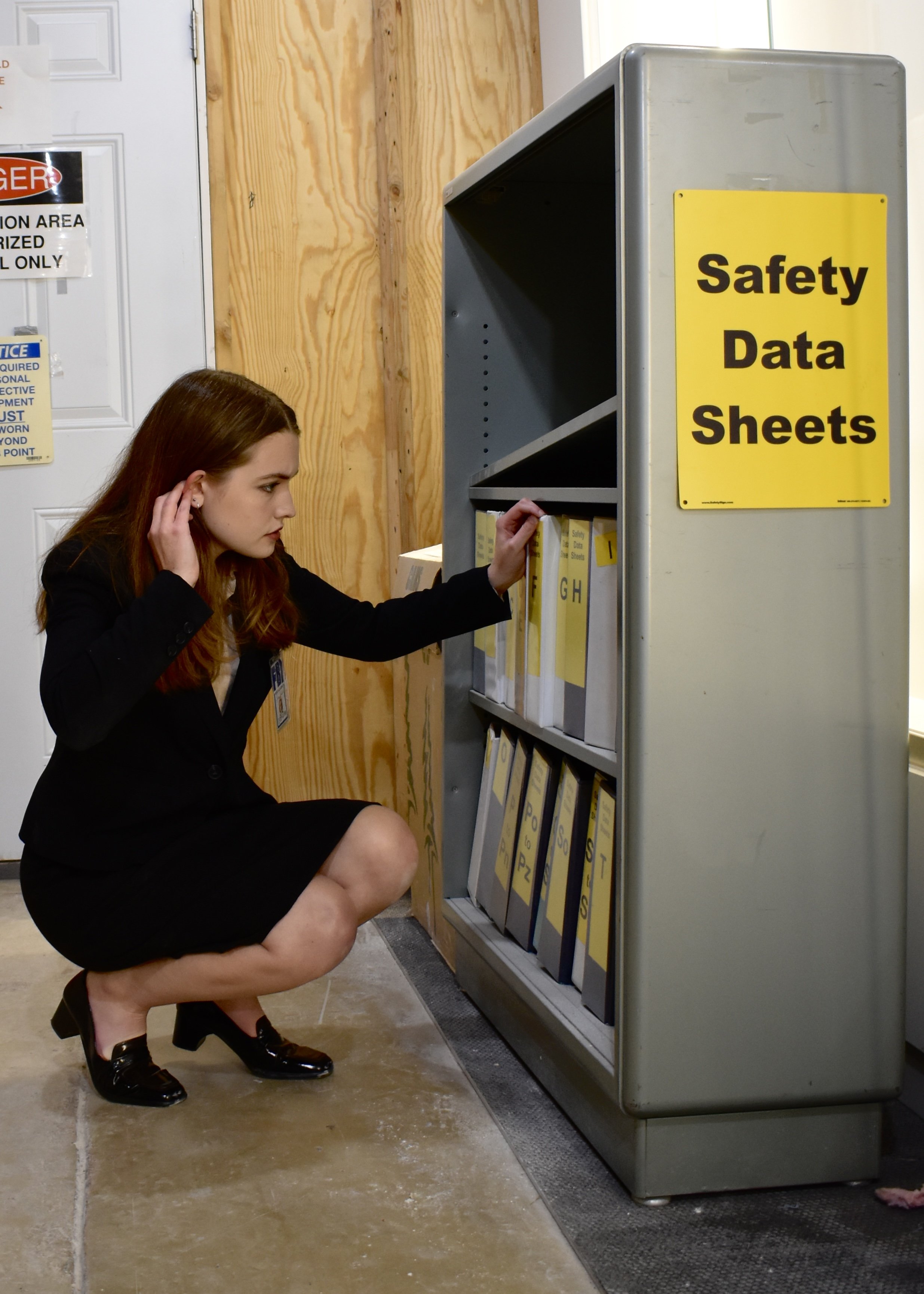
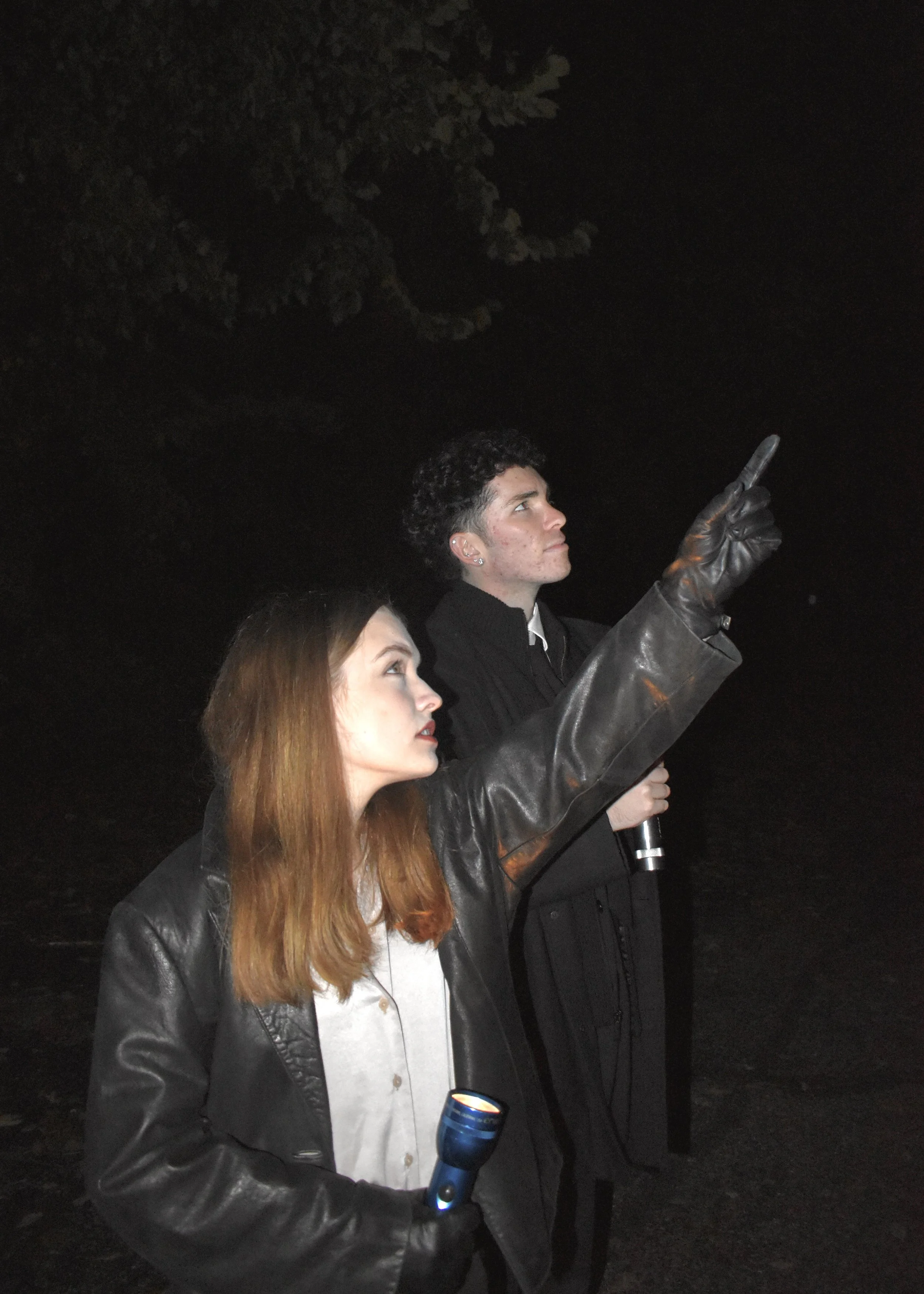
It’s a Friday night. Circa ‘94. Under Eddie Vedder and Billy Corgan’s brooding stares from posters above, you settle into your bean bag chair, and crack open a Crystal Pepsi, as a familiar synthesizer melody echoes through your room, and images of UFOs and distorted figures illuminate your television screen. You step into a world of lost time, clones, and killer cockroaches. Wild conspiracies and lingering cold war anxieties are the governing forces of this world. Men in black pull strings. Aliens exist, maybe. All you know is what you’re told at the start of each episode: The truth is out there.
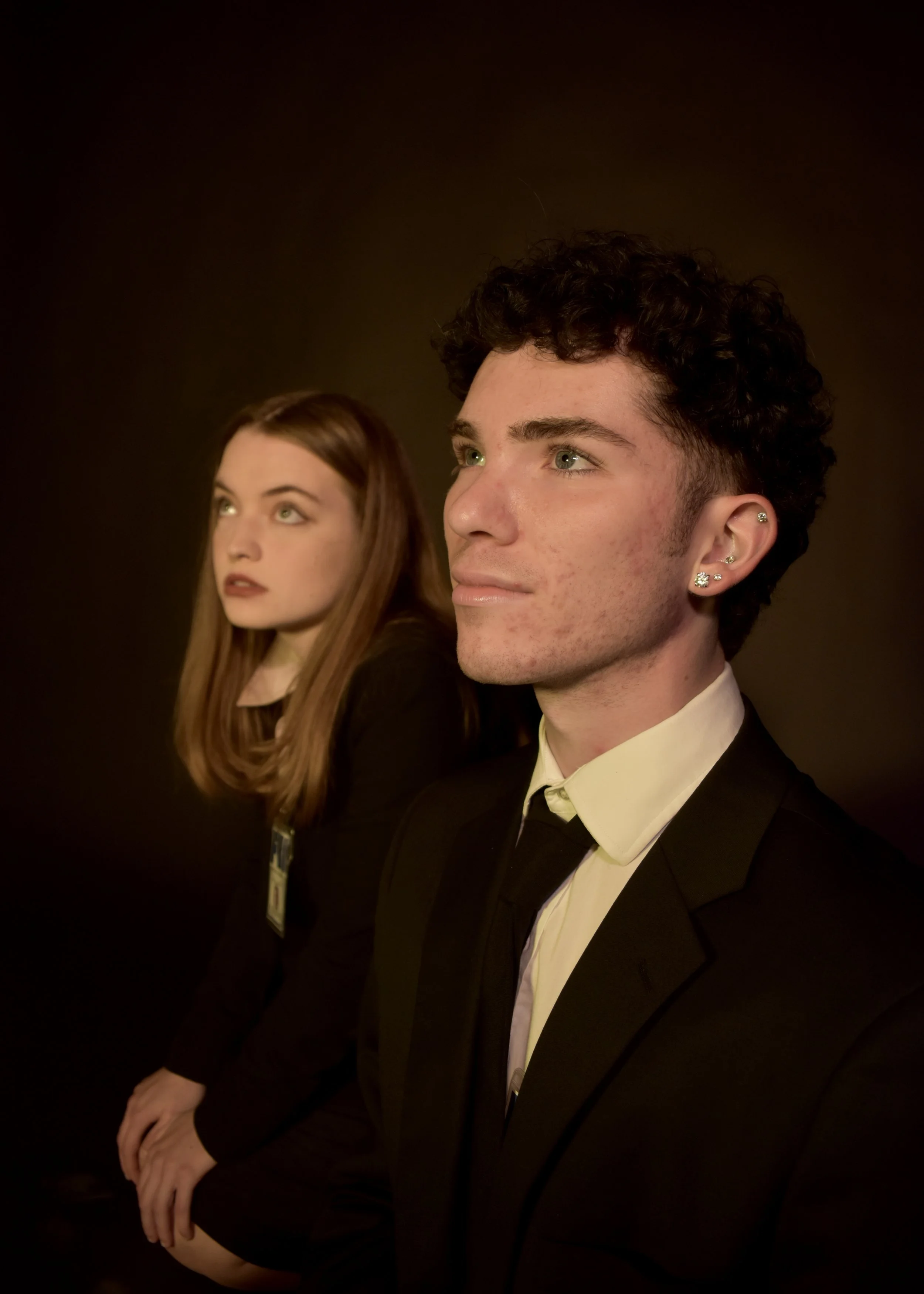
Even now, thirty some years on, this is the world you’re pulled into when you watch “The X-Files” the now beloved cult sci-fi series, and a staple of “up too late” TV watching for generations of freaks and geeks. The show follows special agents Fox Mulder and Dana Scully as they investigate the titular “X-Files”; FBI cases deemed “outside of the mainstream.” Mulder is a believer, driven by the disappearance of his sister, who he thinks was abducted by aliens in their youth. Scully is a skeptic, guided by her background as a medical doctor.
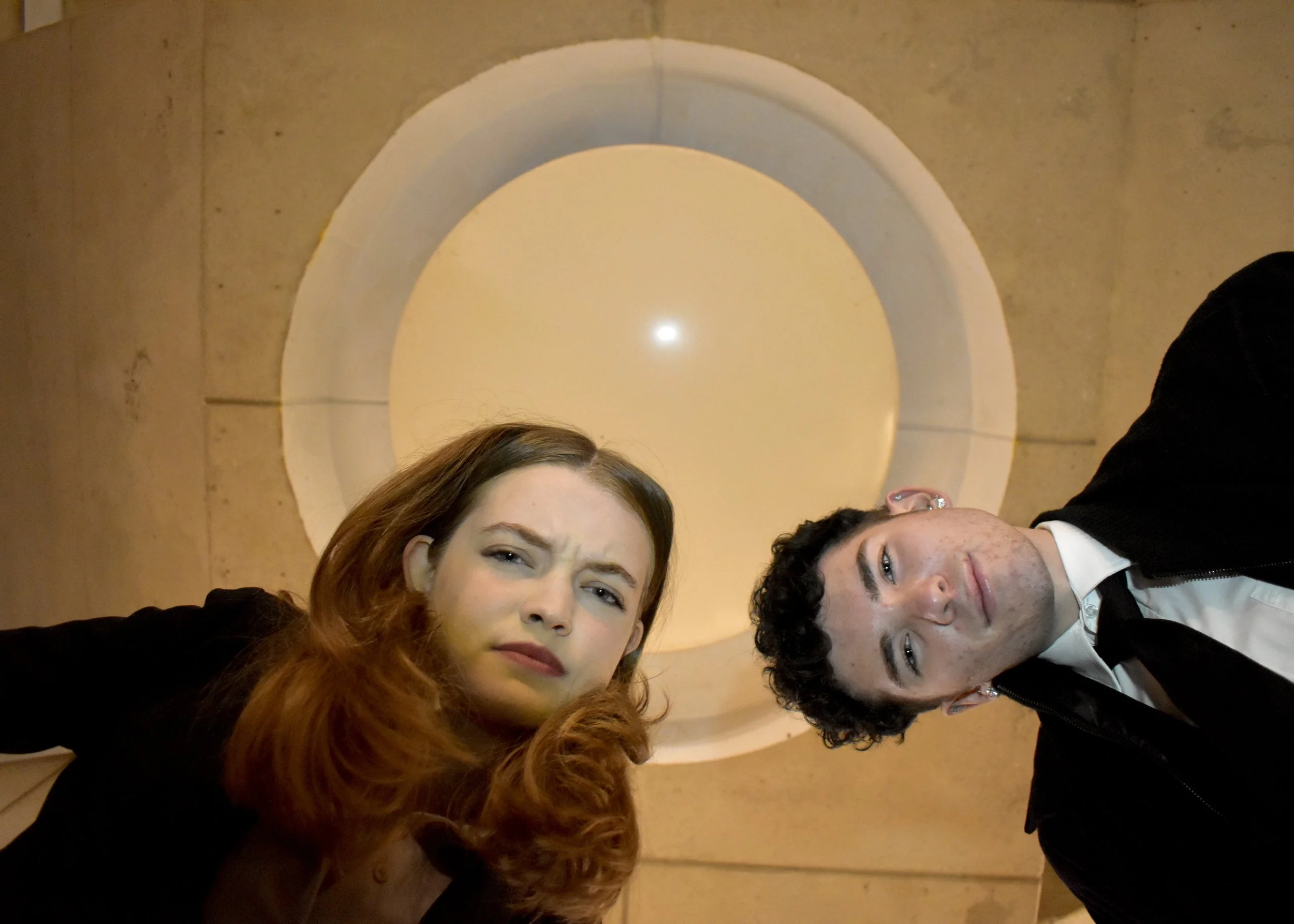
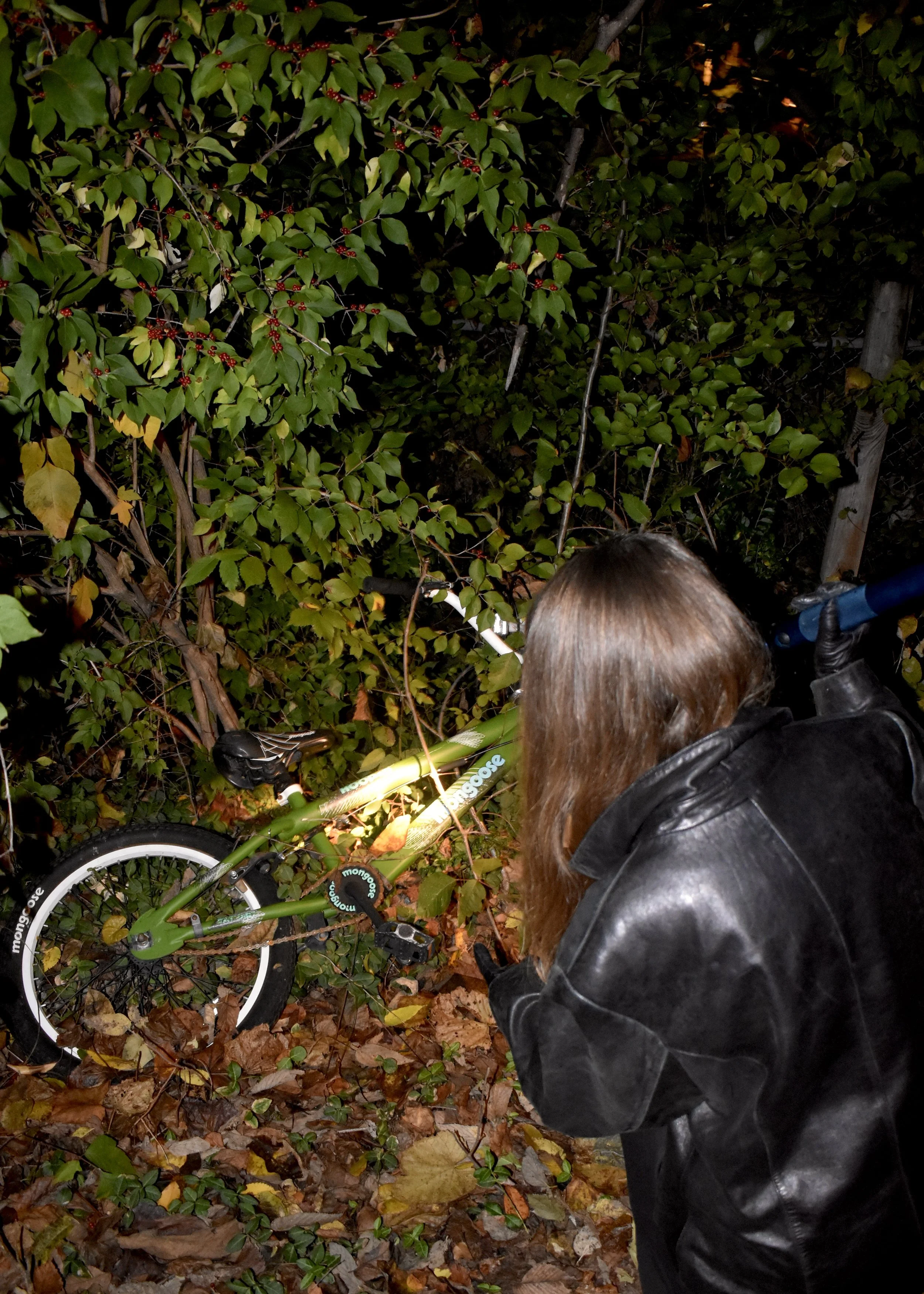
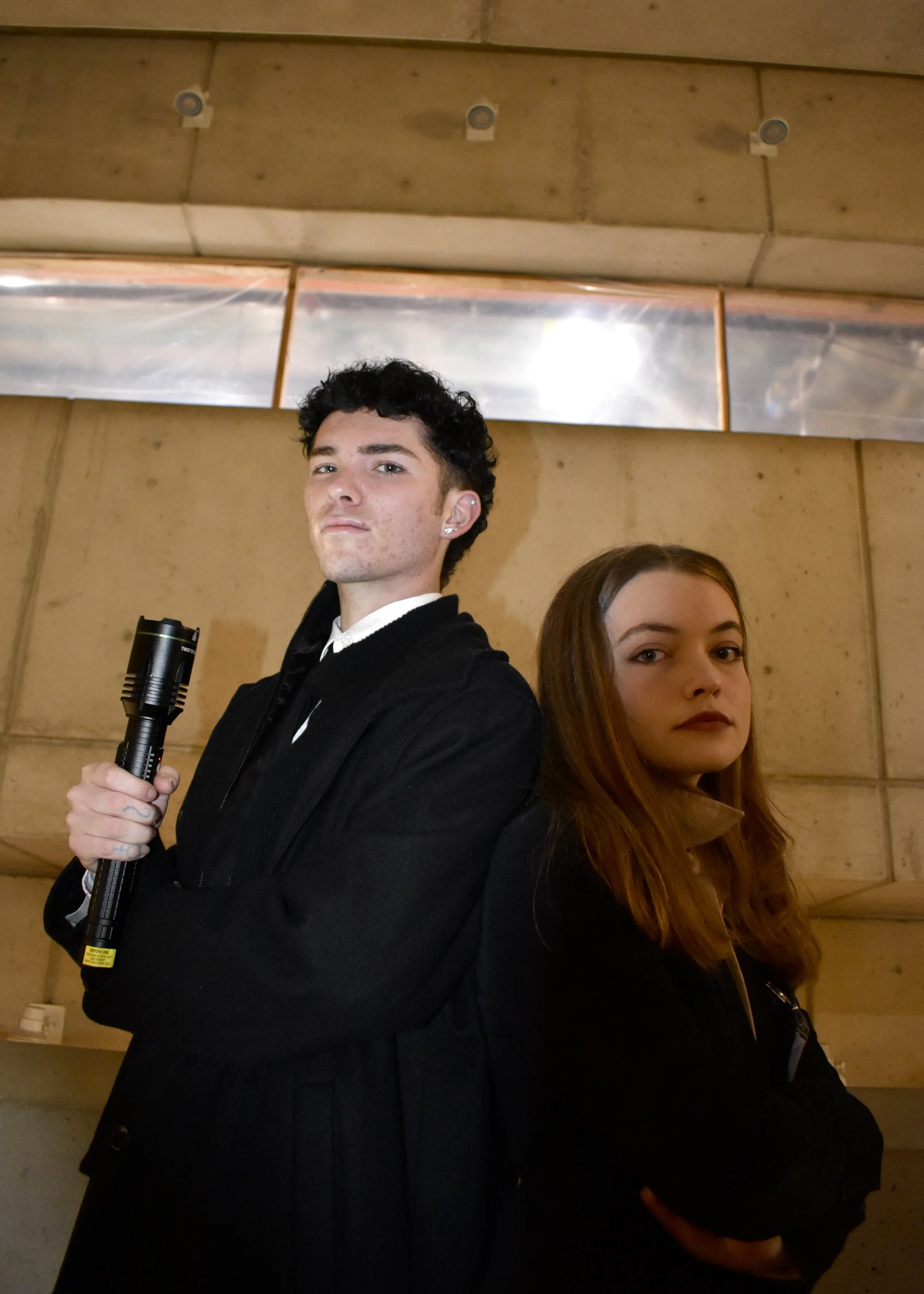
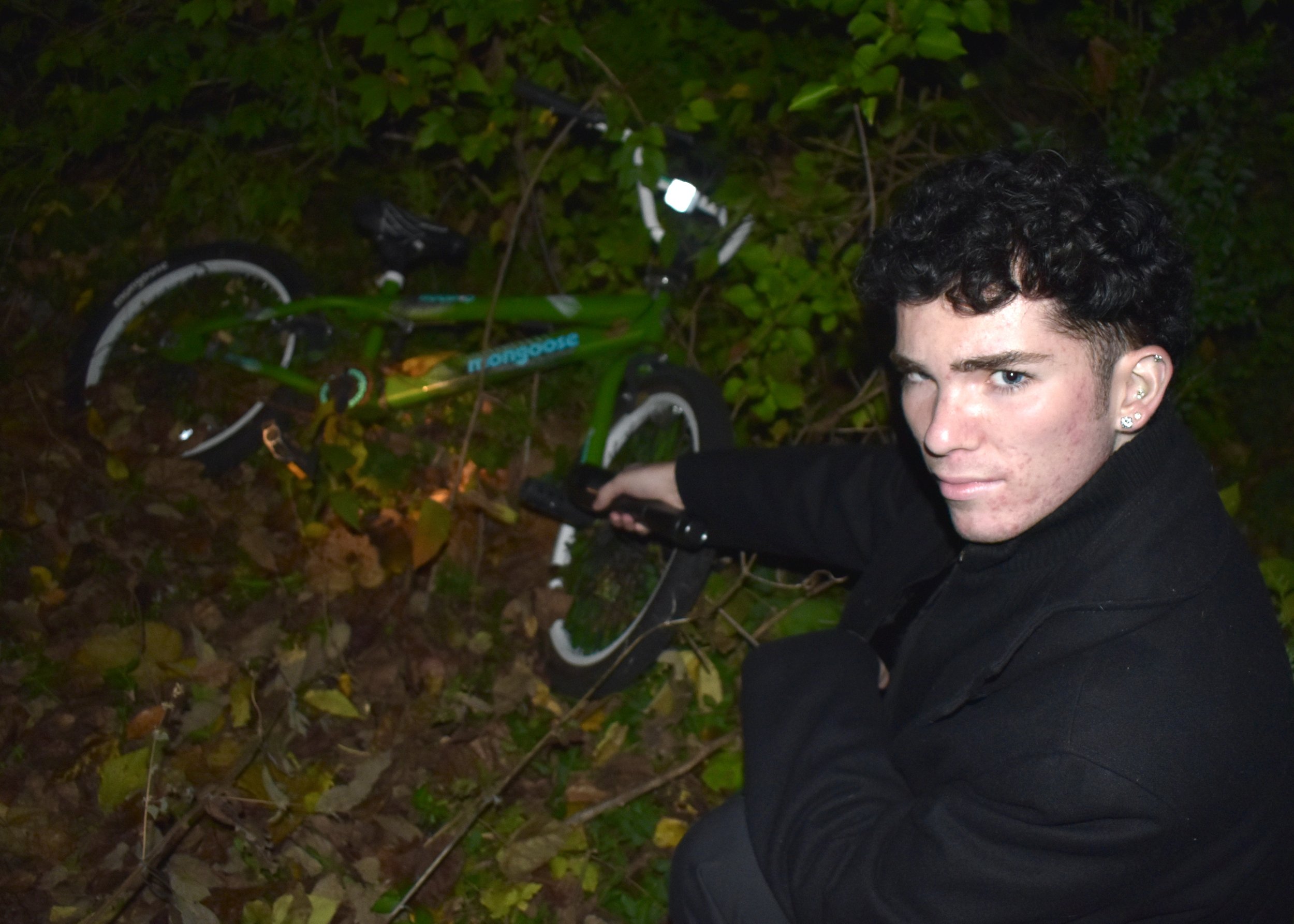
Inspired by the earlier supernatural and extraterrestrial exploits of other cult shows like “The Twilight Zone” and “Kolchak the Night Stalker”, as well as the then-recent success of David Lynch’s supernatural soap opera “Twin Peaks”, “The X-Files” premiered in the fall of ‘93 to fair ratings and positive reviews. Its cult following, made up of the same disaffected, angsty Gen-Xers that helped Nirvana and Pearl Jam sell millions of records, kept the show on the air. Its moody atmosphere, kooky stories, and brooding, sexy protagonists appealed to the alternative crowd in a way that Tim Allen’s goofy exploits on “Home Improvement” just couldn’t. While its ratings lagged behind sitcom juggernauts “Friends” and “Seinfeld” and other, more conventional crime shows like “NYPD Blue” and “Murder She Wrote”, by its fourth season “The X-Files” entered the top 30 programs in the US, and dipped further into the mainstream.
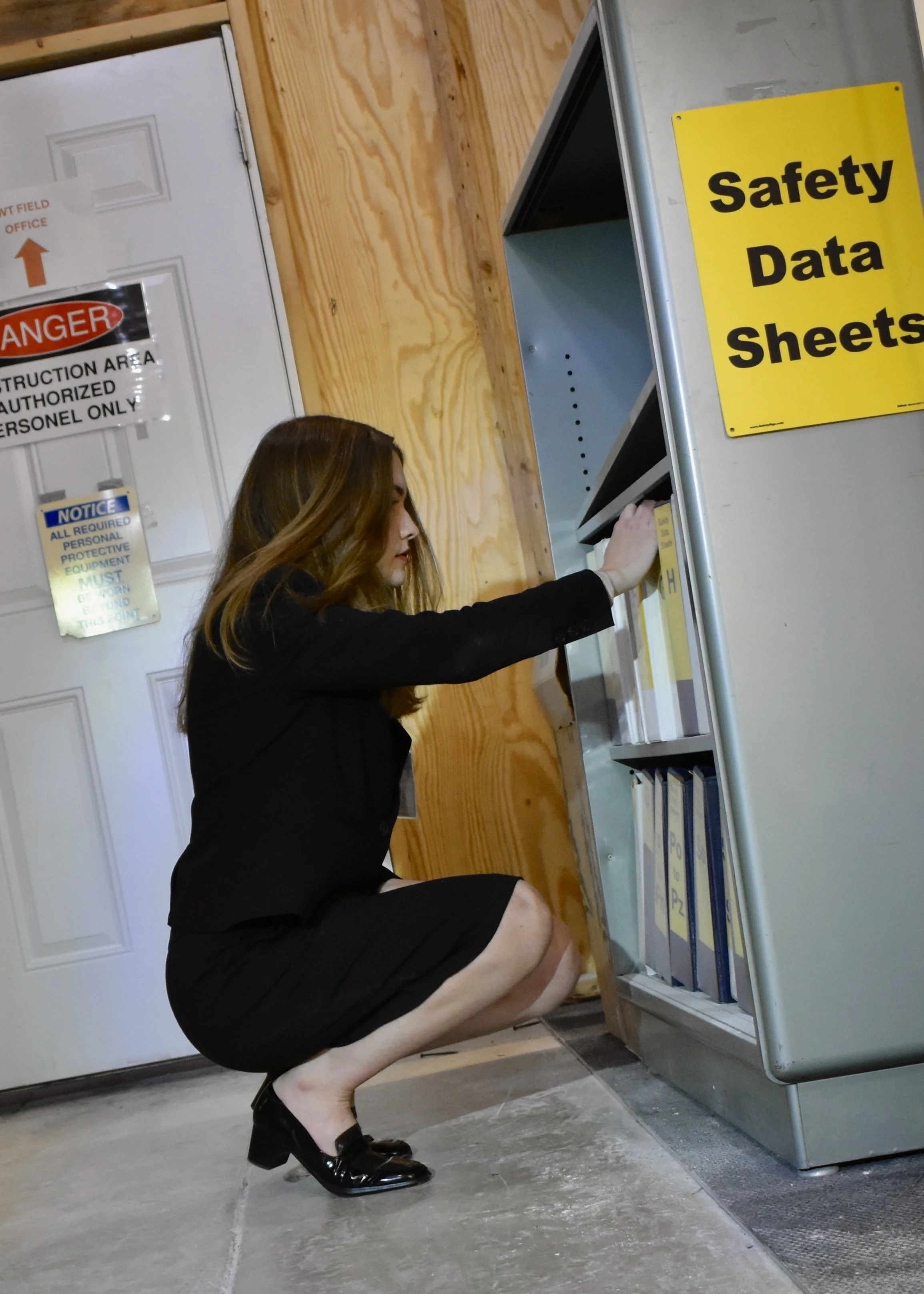
For some, it’s difficult to imagine the ‘90s without “The X-Files”. In a decade so well known for more “alternative” pieces of media going mainstream, there’s few better examples. This quirky show about aliens and government cover-ups was everywhere. When Homer thought he had an alien encounter, Mulder and Scully popped up on “The Simpsons”. ‘90s rocker and Lilith Fair alum Bree Sharp got the biggest hit of her career with a song declaring her love and devotion to “The man, the myth, the monotone" (Duchovny). There were trading cards, comic books, novelizations, and a hit movie with a soundtrack featuring some of the decade's biggest acts, from The Cure to Bjork. Mulder and Scully’s iconic “will they, won’t they” dynamic gave Ross and Rachel a run for their money, and was the talk of college dorms and coffee shops across the country.
Much of the show’s success and rabid cult following can be attributed to the quality and diversity of its storytelling, and its ability to take its basic premise (two FBI agents investigate kooky cases) and apply it to different moods and different types of storytelling. For many, the main draw of the show is its dense, winding, mystery around every corner lore. Those fans are rewarded with a few episodes every season (often two-parters with wild cliff hangers) that expand on the show’s mythology, and often only raise more questions.
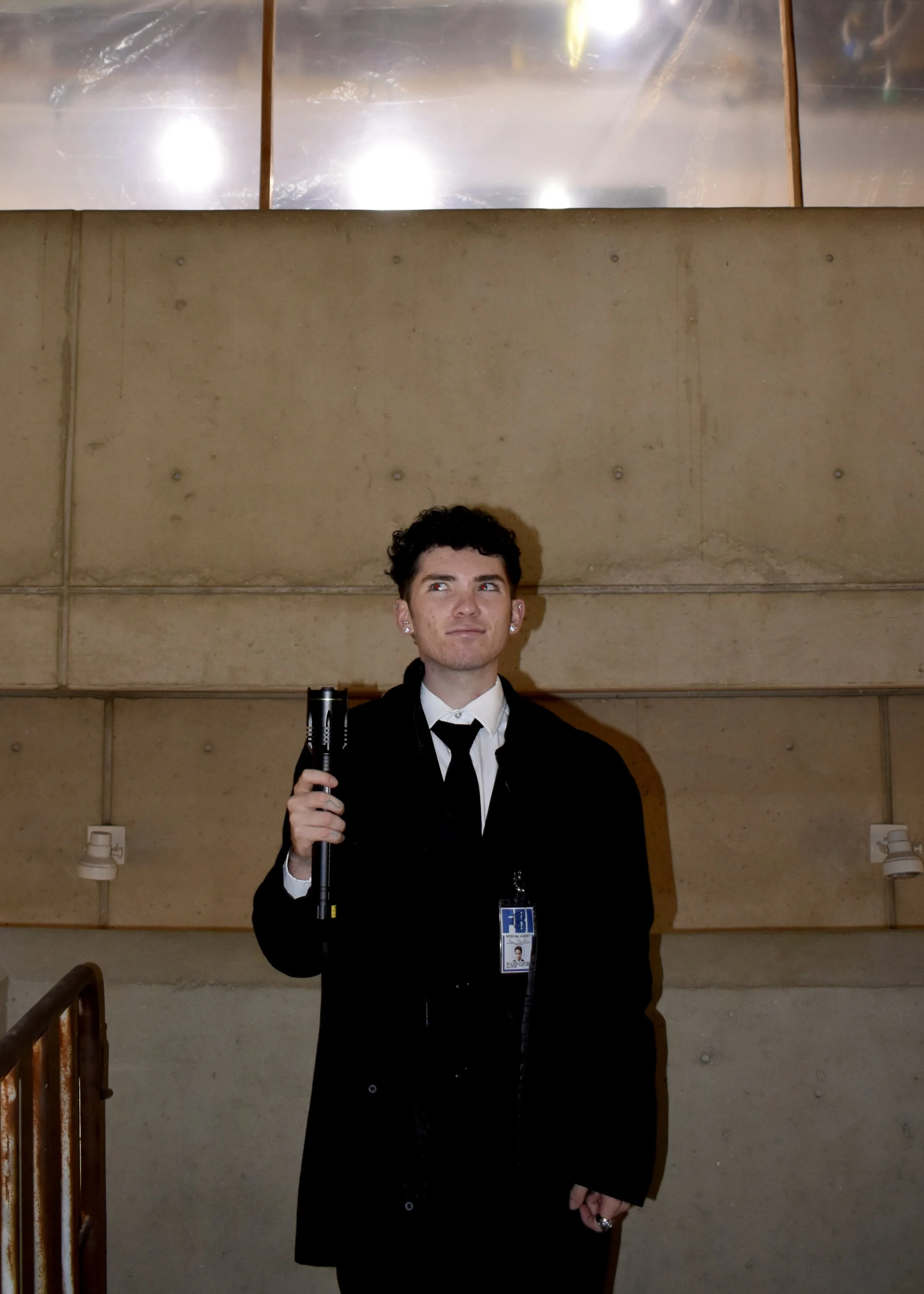
For the more casual viewer, the bulk of “The X-Files” episodes consist of monster-of-the-week type stories, blended with the form and language of typical police procedural television. “The X-Files” is anything but typical though. Last time I checked, you won’t often see Ice-T getting scooped up by aliens, or fighting cursed dolls on Law and Order: SVU. At their base, episodes of “The X-Files” follow a structure used by nearly any crime or mystery story, but they also allow you, and ask you to suspend your disbelief for forty-five minutes or so. The “solution” to the mystery can be literally anything, and there's magic in that.
By and large my favorite episodes of the series are its once-a-season comedy episodes. From an episode told entirely from the perspective of an eccentric science fiction writer, to a shot in black and white episode that parodies classic Universal monster movies, the zany creativity of the show’s writers is on full display. “The X-Files” is already a surprisingly funny show, driven mostly by the exceptional chemistry between the show’s leads, and the banter between them. The comedy episodes take this further, allowing for moments like this that I can’t help but giggle at.
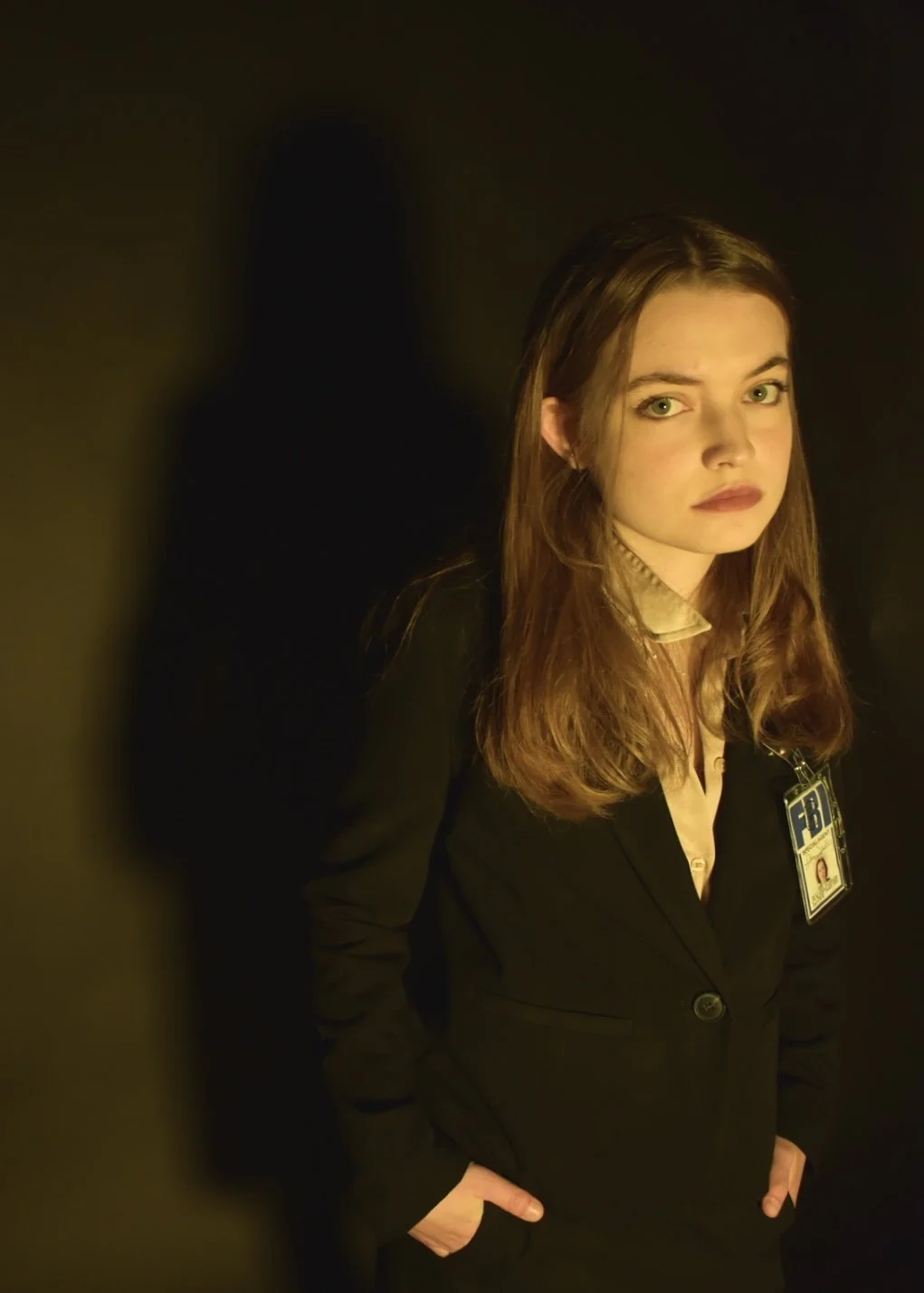
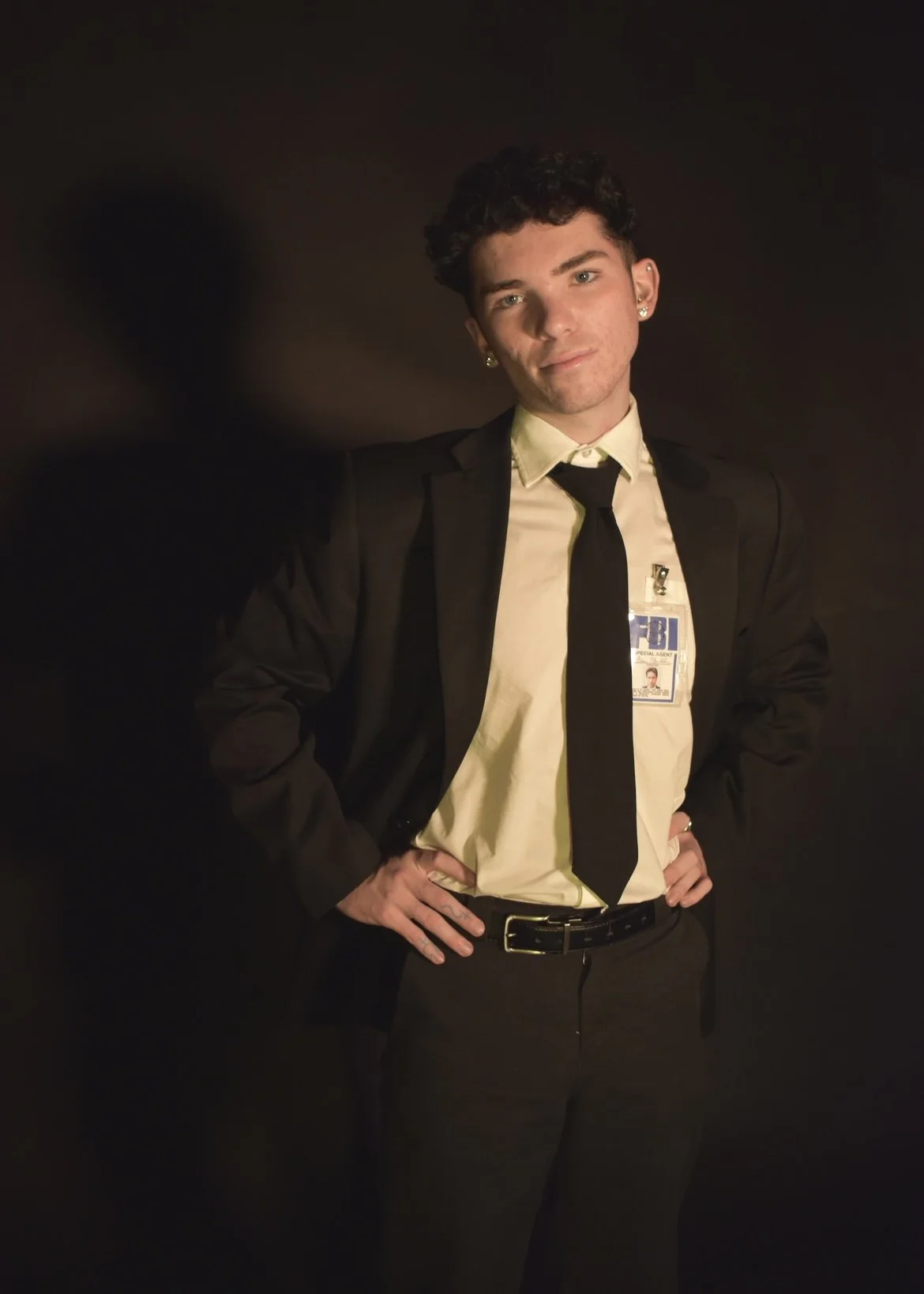
“The X-Files” made superstars of David Duchovny of Gillian Anderson, who, despite still being best known for their time playing special agents Mulder and Scully, have branched out into impressive and diverse careers of their own. Beyond other acting roles in film and TV, Duchovny makes music, and Anderson is a women’s health and wellness advocate. The show also kickstarted the career of then up and coming TV writer Vince Gilligan. Already a fan of the show, Gilligan mailed a script to FOX. They picked it up, and Gilligan went on to write, direct and produce a number of episodes throughout “The X-Files” run. You know Gilligan now for creating “Breaking Bad” and “Better Call Saul”.
In the years since “The X-Files” original run ended in 2002, its cult status has only grown. 2008 saw the release of another theatrical movie. In 2016, we got a two season revival. Now, Ryan Coogler (“Black Panther”, “Sinners”) is set to produce a soft reboot of the show, continuing the story with a new set of characters. The original series has seen a bit of resurgence with Gen Z, thanks in part to TikTok edits of the show’s iconic, unreasonably attractive leads.
“Yellowjackets”, an “X-Files” spiritual successor of sorts, wears its influence on its sleeve, with characters making direct reference to the iconic series. With a renewed public interest in UFOs, thanks to the U.S. government’s declassification of video and documents related to “UAP” phenomena, the show that’s inspired generations to ask if the truth really is out there is due for a big comeback. The “I want to believe” poster in the corner of my eye as I write this agrees.